Mortgage Refinancing Math
Mortgage Basics
What Is a Mortgage?
A mortgage is a loan you get from a bank or other financial institution to buy a home. Since most people don't have enough cash to buy a house outright, a mortgage breaks down the large cost into smaller, manageable payments over many years.
The house you buy serves as collateral for the loan. This means if you stop making payments, the lender has the right to take the property. This process is called foreclosure.
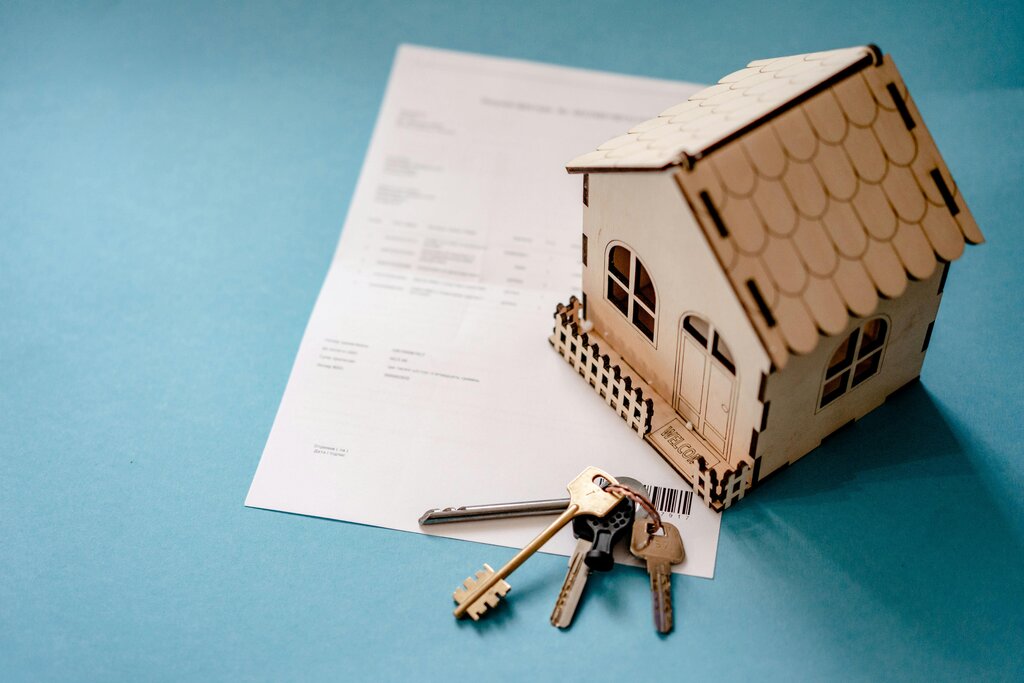
There are two main parties involved in a mortgage:
- The Borrower: This is you, the person taking out the loan to buy the home. You are responsible for making regular payments.
- The Lender: This is the bank or financial institution that provides the money. They set the terms of the loan and collect the payments.
The Parts of a Mortgage Payment
Your monthly mortgage payment isn't just one thing. It's typically made up of four different parts, often remembered by the acronym PITI.
| Component | Description |
|---|---|
| Principal | The amount you actually borrowed to buy the house. Part of each payment goes toward paying this down. |
| Interest | The fee the lender charges for loaning you the money. It's calculated as a percentage of the principal. |
| Taxes | Property taxes, which your local government uses to fund public services like schools and roads. |
| Insurance | Homeowner's insurance, which protects your home from damage, like from a fire or storm. |
Often, your lender will collect the money for taxes and insurance as part of your monthly payment and hold it in a special account called an escrow account. When the tax and insurance bills are due, the lender pays them on your behalf from this account. This ensures these important bills are paid on time, protecting both you and the lender.
Loan Terms and Amortization
The loan term is the length of time you have to pay back the mortgage. The most common terms in the U.S. are 15 years and 30 years. A shorter term means higher monthly payments but less total interest paid over the life of the loan. A longer term results in lower monthly payments but more total interest.
Amortization
noun
The process of paying off a loan with regular payments over time, so that the amount you owe decreases with each payment.
Mortgage payments are structured so that at the beginning of the loan, most of your payment goes toward interest. As time goes on, a larger portion of each payment starts going toward the principal. By the end of the loan term, you've paid off the entire loan.
This payment structure is detailed in an amortization schedule, which is a table that shows every payment you'll make over the life of the loan. It breaks down how much of each payment covers principal and how much covers interest, and it shows your remaining loan balance after each payment.
What is the primary role of collateral in a mortgage agreement?
The acronym PITI represents the four main components of a monthly mortgage payment. What do the 'T' and 'I' stand for?
Understanding these basic components is the first step in mastering your home finances. With this foundation, you'll be better prepared to explore more complex topics, such as how refinancing can change these terms to your advantage.