Mortgage Refinancing Math
Understanding Mortgage Basics
What Is a Mortgage?
A mortgage is a loan used to buy a home. Think of it like a very large, long-term loan where the house itself serves as collateral. If you can't make your payments, the lender can take the house. This arrangement is what makes it possible for most people to buy a home without having all the cash upfront.
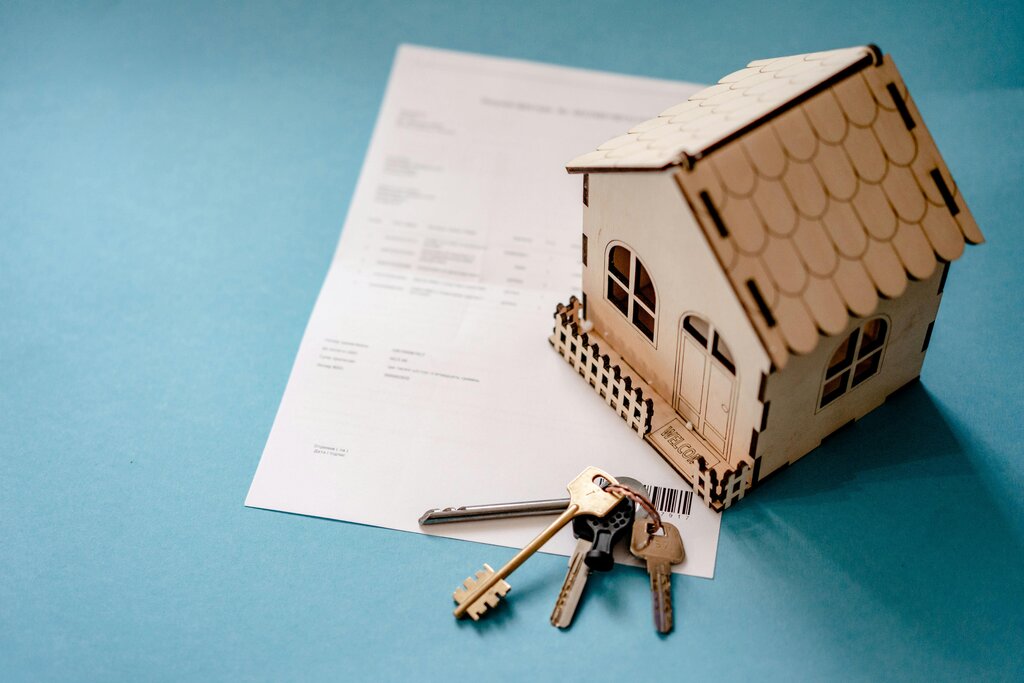
When you get a mortgage, you agree to pay back the loan, plus interest, over a set period, typically 15 or 30 years. Each monthly payment you make is a mix of a few different costs.
The Parts of Your Payment
Your monthly mortgage payment is often referred to as PITI. This acronym stands for the four main components: Principal, Interest, Taxes, and Insurance.
Principal
noun
The amount of money you originally borrowed from the lender to buy your home.
Each payment you make chips away at this principal amount. The goal is to eventually pay it all back and own your home outright.
Interest
noun
The fee you pay the lender for borrowing their money, calculated as a percentage of the principal.
The other two parts of PITI are property taxes and homeowners insurance. Lenders often collect these funds as part of your monthly payment and hold them in a special account called an escrow account. When the tax and insurance bills are due, the lender pays them for you. This ensures these important bills are paid on time, protecting both you and the lender.
Types of Mortgages
While there are many kinds of mortgages, they generally fall into two main categories based on how interest is handled: fixed-rate and adjustable-rate.
A fixed-rate mortgage has an interest rate that stays the same for the entire life of the loan. Your monthly payment for principal and interest will never change, which makes budgeting predictable and straightforward.
An adjustable-rate mortgage (ARM), on the other hand, has an interest rate that can change over time. ARMs usually start with a lower interest rate than fixed-rate mortgages for an initial period. After this period, the rate adjusts periodically based on market conditions. This means your monthly payment could go up or down.
| Feature | Fixed-Rate Mortgage | Adjustable-Rate Mortgage (ARM) |
|---|---|---|
| Interest Rate | Stays the same | Changes after an initial period |
| Monthly Payment | Consistent and predictable | Can increase or decrease |
| Best For | Buyers who want stability and plan to stay in their home long-term. | Buyers who plan to sell before the rate adjusts or who are comfortable with risk. |
How Payments Work Over Time
The way your loan balance is paid down over time is called amortization. It might seem strange, but at the beginning of your loan, most of your monthly payment goes toward interest. Very little goes toward your principal balance.
As years go by, this slowly shifts. A larger portion of your payment starts going toward the principal, and a smaller portion goes to interest. By the end of the loan, almost your entire payment is paying down the principal.
This structure is common for loans because interest is calculated on the remaining balance. When the balance is high at the beginning, the interest portion is also high. As you pay down the principal, the amount of interest you owe each month decreases.
Now that you've got the basics down, let's test your knowledge.
What is the primary purpose of a mortgage?
The acronym PITI represents the four main components of a monthly mortgage payment. What do the 'P' and 'I' stand for?
Understanding these core concepts is the first step toward making confident decisions about buying a home. You're now familiar with what a mortgage is, what makes up your payment, the main types of loans, and how they're paid off.