Mortgage Refinancing Math
Mortgage Basics
What is a mortgage?
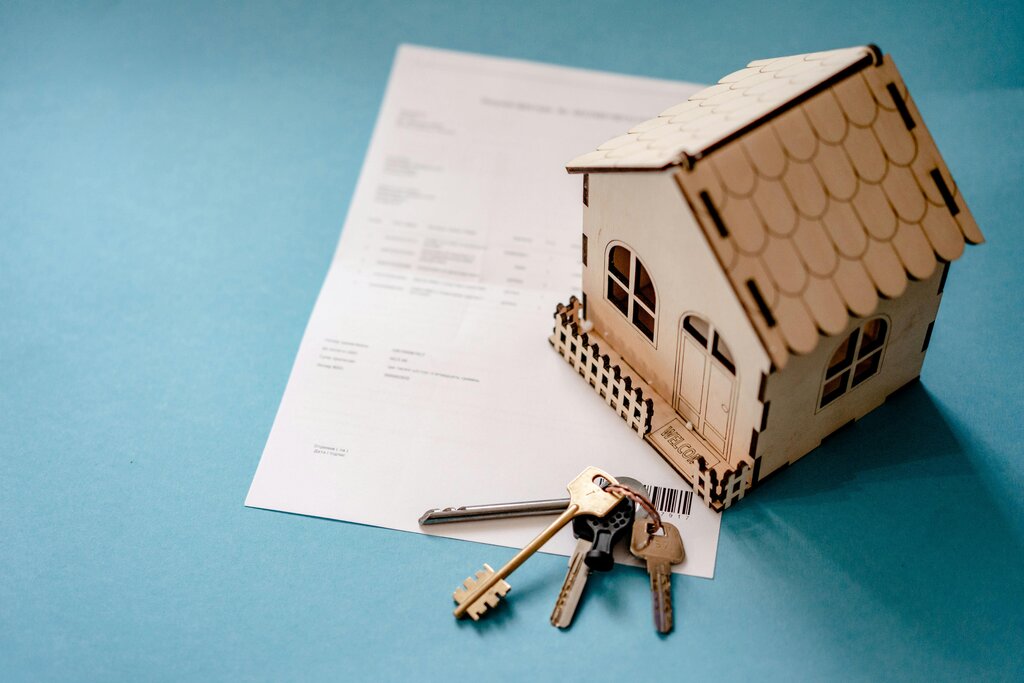
A mortgage is a special type of loan used to buy property, like a house. When you get a mortgage, a lender (usually a bank) gives you a large sum of money to purchase the home. In return, you agree to pay back that money, plus extra fees, over a set period of time, often 15 or 30 years.
The key feature of a mortgage is that the property itself acts as collateral. This means if you stop making payments, the lender has the right to take the property.
This arrangement makes the loan less risky for the lender, which is why they are willing to lend such large amounts of money for home purchases. The loan is formally laid out in a legal document that you sign, creating a binding agreement between you, the borrower, and the lender.
How payments work
Each monthly mortgage payment is split into two main parts: principal and interest. Understanding this split is crucial to understanding how your loan balance decreases over time.
Principal
noun
The amount of money you originally borrowed from the lender. Each time you make a principal payment, you reduce the total amount you owe.
Interest
noun
The fee the lender charges for letting you borrow their money. It's usually expressed as a percentage of the principal, known as the interest rate.
When you first start paying off your mortgage, a large portion of your monthly payment goes toward interest. As time goes on, the balance of your loan gets smaller. Because the interest is calculated on the remaining balance, the interest portion of your payment shrinks, and more of your money goes toward paying down the principal.
Types of mortgages
While there are many variations, most mortgages fall into two main categories based on how their interest rate is structured: fixed-rate and adjustable-rate.
Choosing between these types depends on your financial situation and how much risk you're comfortable with. Your payment stability is directly tied to this choice.
A fixed-rate mortgage has an interest rate that is locked in for the entire life of the loan. Your monthly payment for principal and interest will never change. This predictability makes budgeting easier, though the initial interest rate might be slightly higher than what you could get with an adjustable-rate loan.
An adjustable-rate mortgage, or ARM, has an interest rate that changes over time. It typically starts with a lower, fixed introductory rate for a set period (like 5 or 7 years). After that, the rate adjusts periodically, perhaps once a year, based on broader market interest rates. This means your monthly payment could go up or down.
| Feature | Fixed-Rate Mortgage | Adjustable-Rate Mortgage (ARM) |
|---|---|---|
| Interest Rate | Stays the same for the life of the loan. | Changes after an initial fixed period. |
| Monthly Payment | Consistent and predictable. | Can increase or decrease over time. |
| Best For | Buyers who plan to stay in their home for a long time and prefer budget stability. | Buyers who may sell before the rate adjusts or who are comfortable with potential payment changes. |
Understanding these core concepts is the first step in navigating the home-buying process. Knowing what a mortgage is, how payments are structured, and the basic types available will help you make informed decisions.
Ready to check your understanding?
What is the primary purpose of a mortgage?
In the early years of a mortgage, the largest portion of your monthly payment goes toward what?
Now that you have a handle on the fundamentals of mortgages, you're better prepared to explore more advanced topics in the world of home financing.