Mortgage Refinancing Math
Mortgage Basics
What Is a Mortgage?
A mortgage is a loan used to buy a home or other type of real estate. When you take out a mortgage, a lender gives you a large sum of money, which you agree to pay back over time, typically in monthly installments. The key feature of a mortgage is that the property itself acts as collateral for the loan. This means if you fail to make your payments, the lender has the right to take possession of the property through a process called foreclosure.
Think of it this way: The bank is buying the house, and you're paying them back for it. Until you've paid them back in full, they have a secure claim on the property.
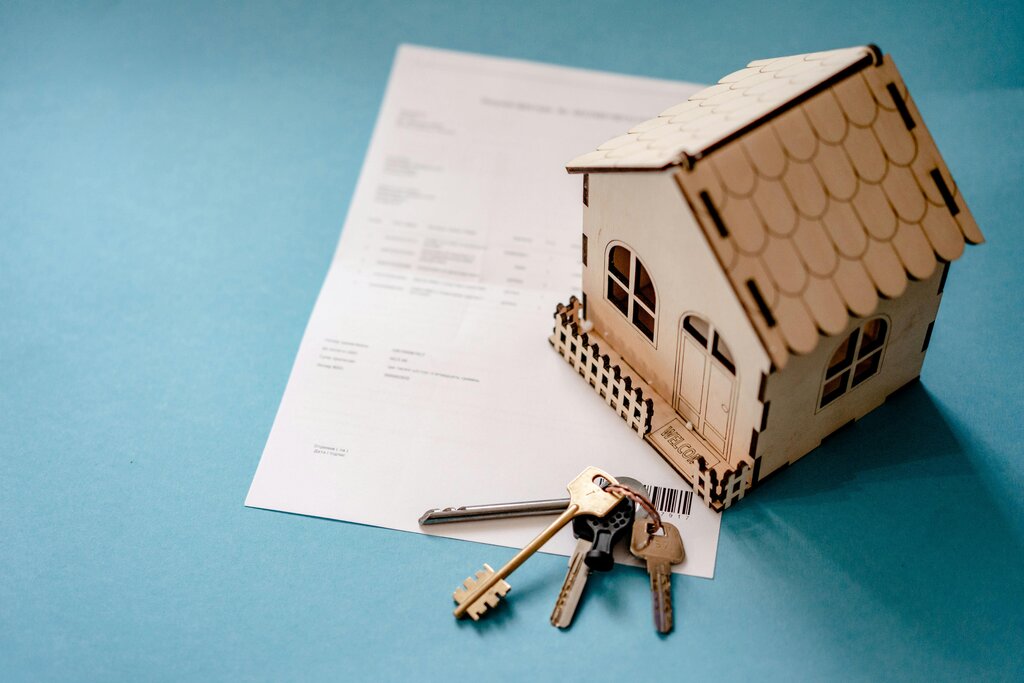
Anatomy of a Mortgage Payment
When you look at your monthly mortgage bill, you'll see it's not just one number. It's made up of several parts that are often bundled together into a single payment. The four main components are Principal, Interest, Taxes, and Insurance, commonly known by the acronym PITI.
PITI
noun
An acronym standing for Principal, Interest, Taxes, and Insurance, which are the four components of a monthly mortgage payment.
Let's break down each part of PITI.
Principal and Interest
Principal is the original amount of money you borrowed from the lender. Each month, a portion of your payment goes toward paying down this balance. The more principal you pay off, the more of the house you actually own. This ownership stake is called equity.
Interest is the cost of borrowing the money. It's the fee the lender charges, calculated as a percentage of the outstanding principal. When you first start paying off your mortgage, a large portion of your monthly payment goes toward interest. As time goes on and your principal balance shrinks, the interest portion of your payment gets smaller and the principal portion gets larger. This process is called amortization.
Taxes and Insurance
The final two parts of PITI are Taxes and Insurance.
Taxes refers to property taxes, which are collected by your local government to fund public services like schools, roads, and fire departments. The amount you pay is based on the assessed value of your home.
Insurance is homeowner's insurance. Lenders require you to have it to protect their investment (and yours) from damage caused by events like fires, storms, or theft. Depending on where you live, you might also need separate policies for floods or earthquakes.
Many lenders collect an extra amount each month for taxes and insurance. They hold this money in a special savings account called an escrow account and pay your tax and insurance bills for you when they're due. This ensures these critical bills are paid on time.
So, your total monthly mortgage payment isn't just about paying back the loan. It's a bundle that covers the loan itself, the cost of borrowing, and the essential costs of homeownership like taxes and insurance. Understanding these four parts is the first step to mastering your mortgage.
Ready to check your understanding? Let's see what you've learned about the basics of mortgages.
What do the letters in the acronym PITI stand for in the context of a mortgage?
Which component of a mortgage payment is the fee charged by the lender for borrowing the money?
Grasping these fundamental concepts gives you a solid foundation for your home-buying journey.