Mortgage Refinancing Math
Understanding Mortgage Refinancing
What Is Mortgage Refinancing?
Think of refinancing your mortgage like trading in an old car for a new one with a better payment plan. You're not getting a new house, just a new loan to pay for the one you already have. Essentially, you take out a new mortgage to pay off and replace your existing one. The goal is to get a new loan with better features, like a lower interest rate or a more predictable payment schedule.
With mortgage refinancing, you’re replacing your existing mortgage with a new one.
This new loan pays off your original mortgage in full. From that point on, you make payments on the new loan. It’s a common financial strategy for homeowners looking to improve their financial situation.
Why Refinance?
People refinance for several reasons, but most motivations boil down to saving money or gaining financial stability.
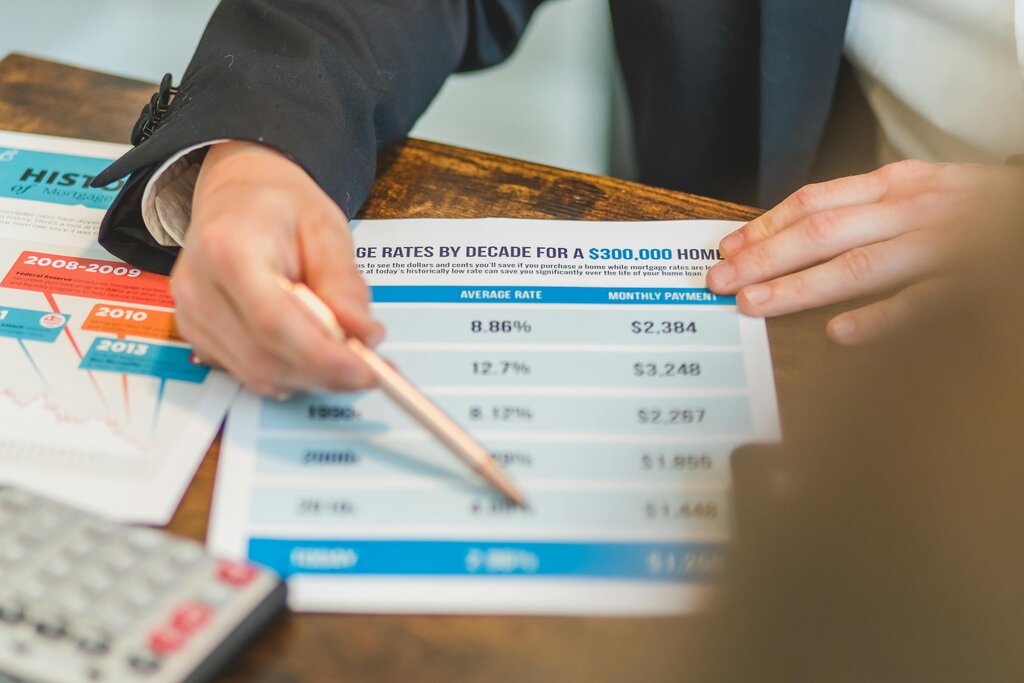
- Lower Your Interest Rate: This is the most common reason. If interest rates have dropped since you first got your mortgage, refinancing can lock in a lower rate, reducing your monthly payment and the total interest you pay over the loan's life.
- Reduce Monthly Payments: A lower interest rate or a longer loan term can decrease the amount you pay each month, freeing up cash for other expenses.
- Shorten the Loan Term: Some people refinance from a 30-year mortgage to a 15-year one. While the monthly payment might increase, you'll pay off your home much faster and save a significant amount in total interest.
- Switch Loan Types: If you have an adjustable-rate mortgage (ARM), your interest rate can change over time. Many homeowners refinance to a fixed-rate mortgage for the stability of a payment that never changes.
The Refinancing Process
The refinancing process is similar to applying for your original mortgage. It generally involves a few key stages.
First, you'll apply with a lender, providing financial information like your income, assets, and debts. The lender will then likely require a new appraisal of your home to determine its current market value. Next comes underwriting, where the lender verifies all your information and decides whether to approve the loan. If approved, the final step is closing, where you sign the new loan documents, and the funds are used to pay off your old mortgage.
Potential Costs
Refinancing isn't free. You'll have to pay closing costs, just like you did with your original mortgage. These fees cover services like the home appraisal, title search, and attorney fees. They can add up quickly.
Refinancing a mortgage can be expensive and typically costs between 2% to 6% of the loan balance in closing costs.
Because of these upfront costs, it's important to calculate your "break-even point." This is the point where the money you save each month from your lower payment equals the total closing costs. If you plan to stay in your home long past the break-even point, refinancing could be a smart financial move.
What is the primary purpose of refinancing a mortgage?
Which of the following is NOT a common reason for a homeowner to refinance their mortgage?
Refinancing offers a way to get a new loan on a home you already own, often with better terms. By understanding the reasons, process, and costs, you can decide if it's the right choice for your financial goals.