Mortgage Refinancing Math
Mortgage Basics
What is a Mortgage?
A mortgage is a loan you take out to buy property. It's likely the largest loan you'll ever get. When you get a mortgage, the lender gives you a large sum of money to purchase a home. In return, you agree to pay back that money, plus interest, over a set period of time.
The property itself acts as collateral for the loan. This means if you stop making payments, the lender has the right to take possession of the property through a process called foreclosure. It’s a serious commitment, but it's also the way most people are able to own a home.
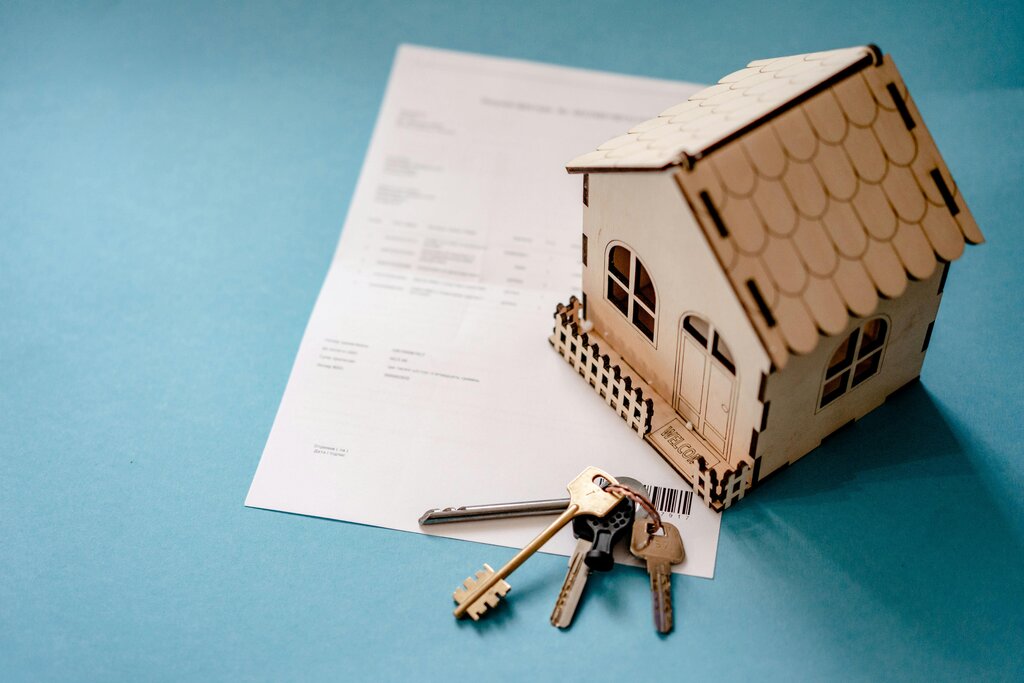
Understanding what goes into your monthly mortgage payment is the first step to managing this long-term financial responsibility.
Breaking Down Your Payment
Your monthly mortgage payment isn't just one number; it's typically made up of four parts, often remembered by the acronym PITI.
Principal
noun
The original amount of money you borrowed from the lender to buy your home. Every payment you make reduces this amount.
Interest
noun
The fee the lender charges you for borrowing the money. It's usually expressed as a percentage of the loan amount.
The other two parts are taxes and insurance.
- Taxes: Property taxes are collected by your local government to fund public services like schools, roads, and fire departments.
- Insurance: Homeowners insurance protects you from financial loss due to damage to your property from events like fires or storms.
Most lenders require you to pay a portion of your annual property taxes and homeowners insurance bill each month. They hold this money in a special account called an escrow account and pay the bills for you when they're due. This ensures these important expenses are paid on time, protecting both you and the lender.
PITI = Principal + Interest + Taxes + Insurance. This is the total of your typical monthly mortgage payment.
Loan Terms and Payoff Schedules
The loan term is simply the length of time you have to repay the mortgage. The most common terms are 15 years and 30 years. The choice you make has a big impact on your finances.
A 30-year mortgage is the most popular choice. It spreads the loan out over a long period, which results in lower monthly payments. However, you'll pay significantly more in total interest over the life of the loan.
A 15-year mortgage has higher monthly payments because you're paying it off in half the time. The upside is that you'll pay far less interest and own your home outright much sooner.
Lenders provide an amortization schedule, which is a table that details how each mortgage payment is broken down into principal and interest. At the beginning of your loan, a large portion of your payment goes toward interest. As time goes on, the balance shifts, and more of your payment goes toward paying down the principal.
This visual shows how your payments chip away at the loan balance over time. In the beginning, you're mostly paying interest. By the end, nearly your entire payment goes toward owning more of your home.
Types of Mortgages
While there are many kinds of home loans, most fall into two main categories based on how their interest rate is structured: fixed-rate and adjustable-rate.
| Mortgage Type | How it Works | Best For |
|---|---|---|
| Fixed-Rate | The interest rate stays the same for the entire loan term. Your monthly principal and interest payment never changes. | Borrowers who want predictable, stable monthly payments and plan to stay in their home for a long time. |
| Adjustable-Rate (ARM) | The interest rate is fixed for an initial period (e.g., 5 or 7 years), then changes periodically based on market rates. | Borrowers who don't plan to stay in their home long-term or who are comfortable with the risk that their payment could increase. |
Choosing between a fixed-rate and an adjustable-rate mortgage depends on your financial situation, your tolerance for risk, and how long you expect to live in the home. Both have their pros and cons, so it's important to understand how they work before making a decision.
What serves as collateral for a mortgage loan, giving the lender the right to take possession if payments are not made?
In the context of a mortgage payment, what is the primary purpose of an escrow account?
With these basics in hand, you have a solid foundation for understanding how mortgages work. This knowledge is the first step toward making informed decisions about buying a home.