Mortgage Refinancing Math
Mortgage Basics
What Is a Mortgage?
A mortgage is a loan used to buy a home. It’s that simple. When you get a mortgage, a bank or other lender gives you a large sum of money to purchase a house, and you agree to pay it back over time, usually 15 or 30 years.
The key feature of a mortgage is that the home itself acts as collateral. This means if you stop making payments, the lender can take possession of the property through a process called foreclosure. This security is why lenders are willing to offer such large loans for long periods.
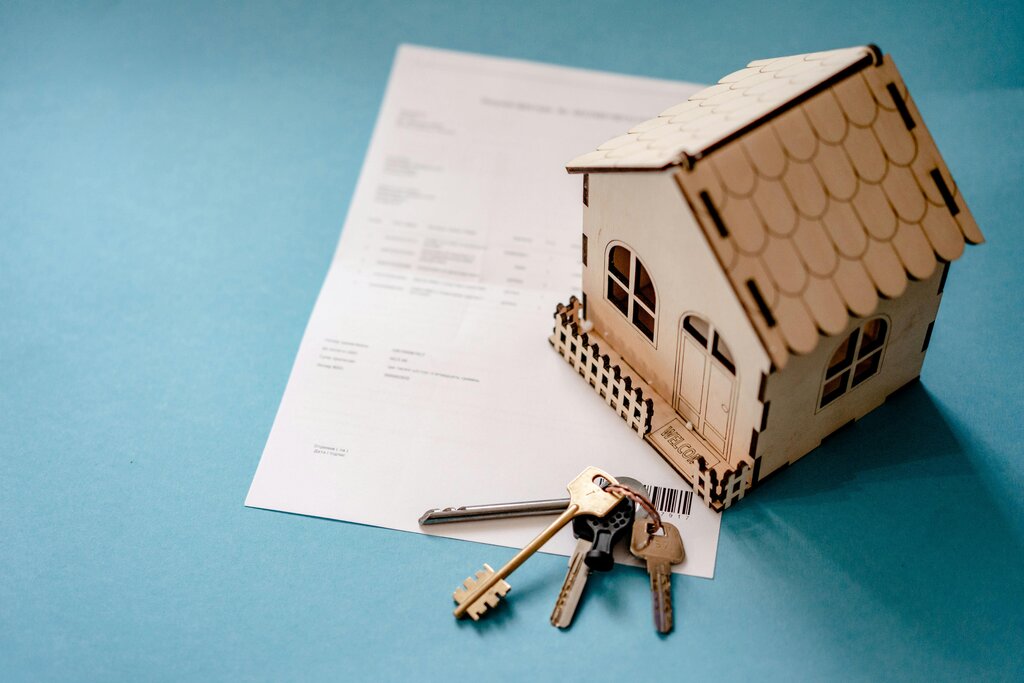
The Four Parts of a Payment
Your monthly mortgage payment isn't just one thing. It's typically made up of four parts, often bundled together into a single payment. This is commonly known by the acronym PITI.
Principal: This is the portion of your payment that goes toward paying down the original loan amount. Every dollar of principal you pay increases your equity—the part of the home you actually own.
Interest: This is the fee the lender charges for loaning you the money. It’s calculated as a percentage of your outstanding loan balance.
Taxes: These are the property taxes your local government charges. Lenders often collect these taxes as part of your monthly payment and hold them in an account called an escrow account. They then pay the tax bill on your behalf when it's due.
Insurance: This refers to homeowner's insurance, which protects your home against damage from things like fires or storms. Like property taxes, insurance premiums are also frequently paid out of your escrow account.
How Payments Chip Away at Debt
When you first start paying off your mortgage, it might seem like your loan balance is barely budging. That's by design. The way payments are structured is called amortization.
An amortization schedule is a table that shows exactly how each monthly payment is split between principal and interest over the entire life of the loan. In the beginning, a much larger portion of your payment goes toward interest. As time goes on and your loan balance shrinks, the tables turn. More and more of your payment goes toward the principal, accelerating your ownership stake in the property.
This structure ensures the lender earns most of its interest early in the loan term. For the borrower, it means building equity is a slow process at first, but it picks up steam significantly in the later years of the mortgage.
Fixed vs. Adjustable Rates
Mortgages generally fall into two categories based on how their interest rate is handled: fixed-rate and adjustable-rate. The choice between them depends on your financial situation and how much predictability you want.
Fixed-Rate Mortgage
noun
A mortgage where the interest rate remains the same for the entire life of the loan. Your monthly payment for principal and interest will never change.
A Fixed-Rate Mortgage is the most straightforward option. The interest rate is locked in when you take out the loan and never changes. This means the principal and interest portion of your monthly payment is predictable and stable for 30 years.
An Adjustable-Rate Mortgage (ARM) is different. It typically starts with a lower, fixed interest rate for an initial period, such as five or seven years. After that period ends, the interest rate adjusts periodically, usually once a year, based on broader market interest rates. This means your monthly payment could go up or down.
| Feature | Fixed-Rate Mortgage | Adjustable-Rate Mortgage (ARM) |
|---|---|---|
| Interest Rate | Stays the same | Changes after an initial period |
| Payments | Predictable and stable | Can increase or decrease |
| Best For | Buyers who plan to stay in their home long-term and prefer stability. | Buyers who may sell before the rate adjusts or who are comfortable with risk. |
Now that you understand the basic building blocks of a mortgage, let's test your knowledge.
What is the primary role of the home in a mortgage agreement?
According to a typical amortization schedule, how is your monthly payment allocated during the first few years of the loan?
Understanding these core concepts—what a mortgage is, the components of a payment, how amortization works, and the difference between fixed and adjustable rates—is the first step toward making smart decisions about your home financing.