Mortgage Refinancing Explained
Mortgage Basics
What Is a Mortgage?
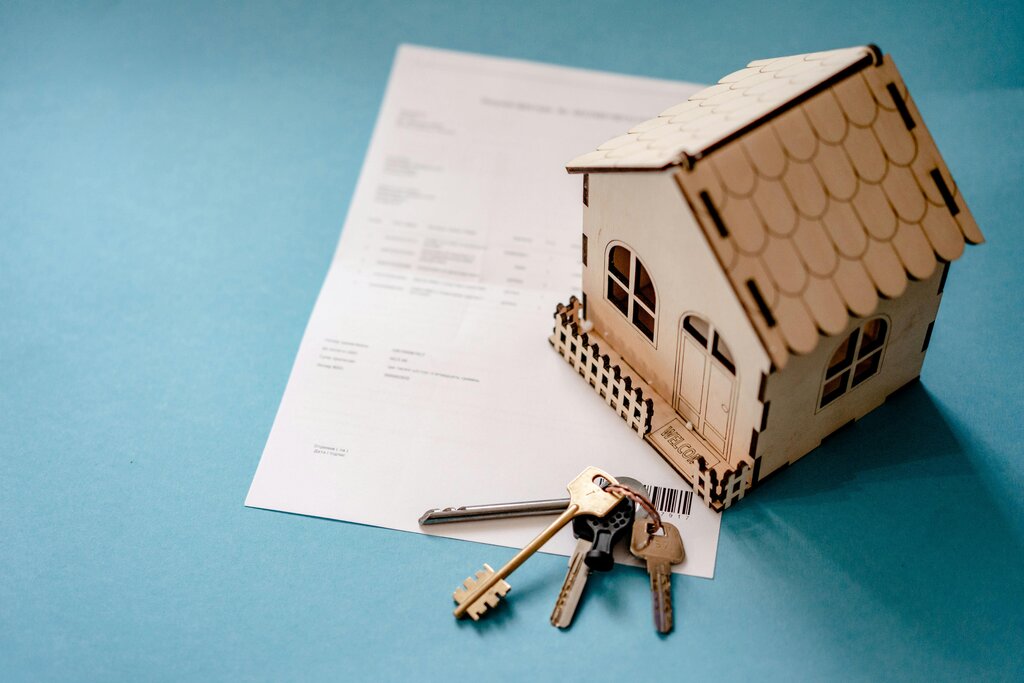
A mortgage is a loan used to buy a home or other type of real estate. When you take out a mortgage, you borrow money from a lender, like a bank or credit union, and agree to pay it back over a set period. The property you buy serves as collateral for the loan. This means if you fail to make your payments, the lender has the right to take possession of the property.
A mortgage is a loan specifically designed for purchasing real estate, where the property serves as collateral.
Collateral
noun
An asset that a borrower offers to a lender to secure a loan. If the borrower stops making the promised loan payments, the lender can seize the collateral to recoup its losses.
For most people, a mortgage is the largest loan they'll ever take on. It's the key that unlocks homeownership, allowing you to buy a property without having the full purchase price in cash upfront.
The Parts of a Payment
Every mortgage payment you make is split into two main parts: principal and interest. Think of it like paying for a service. The principal is what you borrowed, and the interest is the fee you pay for the convenience of borrowing it.
Principal
noun
The original amount of money borrowed for a loan, not including interest.
The other part of your payment is interest. This is how the lender makes a profit. The interest rate is a percentage of the loan balance, and it determines how much you'll pay over the life of the loan in addition to the principal amount.
Your mortgage payment is a combination of principal (the loan amount) and interest (the cost of borrowing).
Loan Term and Amortization
The loan term is the length of time you have to repay the mortgage. The most common terms in the U.S. are 15 and 30 years. A shorter term means higher monthly payments but less total interest paid. A longer term results in lower monthly payments but more total interest over the life of the loan.
The process of paying off your loan over time is called amortization. With a typical mortgage, your monthly payment amount stays the same, but the split between principal and interest changes with each payment.
| Payment # | Principal | Interest | Total Payment |
|---|---|---|---|
| 1 | $540 | $1,250 | $1,790 |
| 180 | $945 | $845 | $1,790 |
| 360 | $1,782 | $8 | $1,790 |
Early in the loan, most of your payment goes toward interest. As time goes on and your loan balance shrinks, a larger portion of your payment goes toward paying down the principal. This gradual shift is the essence of amortization.
Rate Types
Mortgages come in two main flavors based on how their interest rate is structured: fixed-rate and adjustable-rate.
A Fixed-Rate Mortgage has an interest rate that stays the same for the entire loan term. Your principal and interest payment will never change, which makes budgeting predictable.
An Adjustable-Rate Mortgage (ARM), on the other hand, has an interest rate that can change over time. Typically, an ARM starts with a lower, fixed introductory rate for a set number of years. After this initial period, the rate adjusts periodically based on market conditions. This means your monthly payment could go up or down.
| Feature | Fixed-Rate Mortgage | Adjustable-Rate Mortgage (ARM) |
|---|---|---|
| Interest Rate | Stays the same | Changes after an initial period |
| Monthly Payment | Consistent and predictable | Can increase or decrease |
| Best For | Buyers who want stability and plan to stay in their home long-term. | Buyers who may sell before the rate adjusts or who expect their income to rise. |
Choosing between these types depends on your financial situation and tolerance for risk. A fixed-rate offers security, while an ARM might offer a lower initial payment but comes with uncertainty about future costs.
What is the primary purpose of a mortgage?
The two main components of a standard mortgage payment that go to the lender are _______.
Understanding these core components of a mortgage is the first step toward making informed decisions about buying a home and managing your loan.