Mortgage Refinance Math Unlocked
Mortgage Basics
What Is a Mortgage?
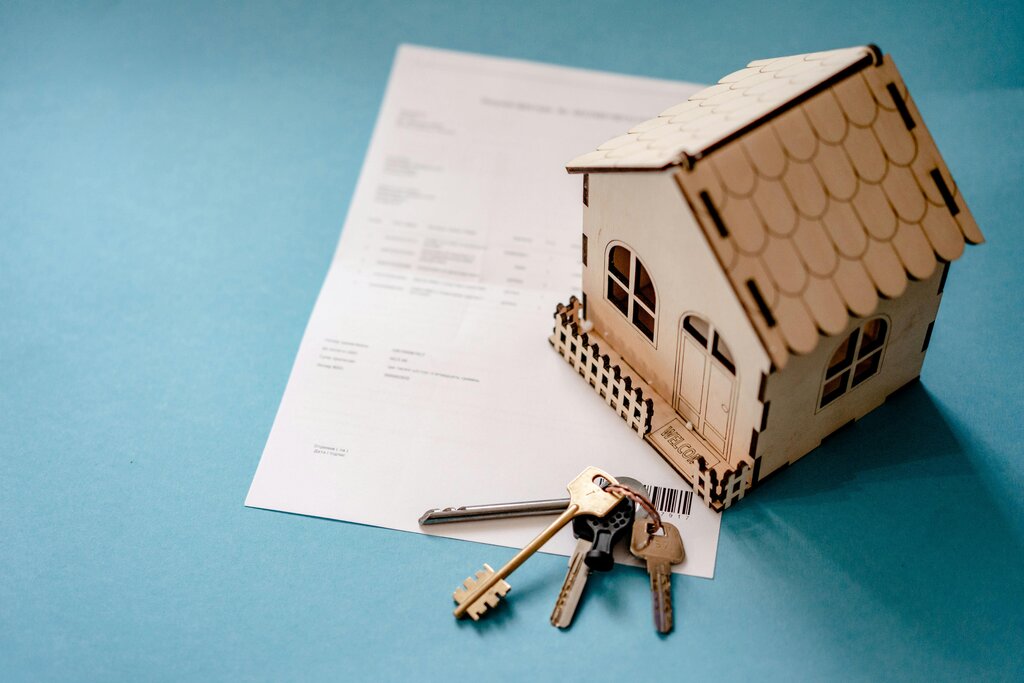
A mortgage is a loan used to buy a home. When you take out a mortgage, a lender (like a bank) gives you a large sum of money to purchase a property. You then agree to pay back that money, plus a fee for borrowing it, in regular payments over a set period, often 15 or 30 years.
The home itself acts as collateral for the loan. This is a key detail. It means if you stop making payments, the lender has the legal right to take ownership of the property. This process is called foreclosure. This arrangement protects the lender and makes it possible for them to offer large loans for home purchases.
Breaking Down Your Payment
Every mortgage payment you make is split into two main parts: principal and interest. Understanding the difference is crucial to understanding your loan.
Principal
noun
The amount of money you originally borrowed from the lender to buy your home. If you got a loan for $300,000, your starting principal is $300,000.
Interest
noun
The fee the lender charges for letting you borrow their money. It's calculated as a percentage of the outstanding principal balance.
Think of it this way: the principal is what you owe on the house, and the interest is the cost of borrowing to pay for it. Each payment chips away at both.
Your monthly payment is a mix of paying back what you borrowed (principal) and paying the fee for borrowing it (interest).
Sometimes, a mortgage payment also includes funds for property taxes and homeowners' insurance. When these are bundled together, it's often called PITI: Principal, Interest, Taxes, and Insurance.
How Your Loan Shrinks Over Time
The way your payments are structured over the life of the loan is called amortization. It might sound complex, but the idea is simple. At the beginning of your mortgage, a larger portion of your payment goes toward interest. As you pay down the principal balance, the amount of interest you owe each month decreases.
This means that over time, the balance shifts. Toward the end of your loan, most of each payment goes toward paying down the principal, and very little goes to interest. This is how you eventually pay off the loan and own your home outright.
Lenders provide an amortization schedule, which is a table that maps out every single payment over the life of the loan. It shows the exact amount of principal and interest for each payment, along with the remaining loan balance after that payment is made.
| Payment # | Payment Amount | Principal | Interest | Remaining Balance |
|---|---|---|---|---|
| 0 | - | - | - | $300,000.00 |
| 1 | $1,432.25 | $432.25 | $1,000.00 | $299,567.75 |
| 2 | $1,432.25 | $433.69 | $998.56 | $299,134.06 |
| 3 | $1,432.25 | $435.14 | $997.11 | $298,698.92 |
As you can see, even though the payment amount stays the same, the portion going to principal slowly increases with each payment. This clear, predictable structure is what allows millions of people to manage the large debt of a home loan.
What does the term 'amortization' refer to in the context of a mortgage?
If a borrower stops making mortgage payments, the lender has the legal right to take ownership of the property. This process is called ____.
Understanding these core concepts is the first step in mastering your financial future as a homeowner.