Mortgage Refinance Math
Mortgage Basics
What Is a Mortgage?
A mortgage is a special type of loan used to buy property, like a house. When you get a mortgage, a lender (usually a bank) gives you a large sum of money to purchase the home. In return, you agree to pay back that money, plus extra fees, over a set period. The house itself acts as collateral, which means if you fail to make your payments, the lender has the right to take the property.
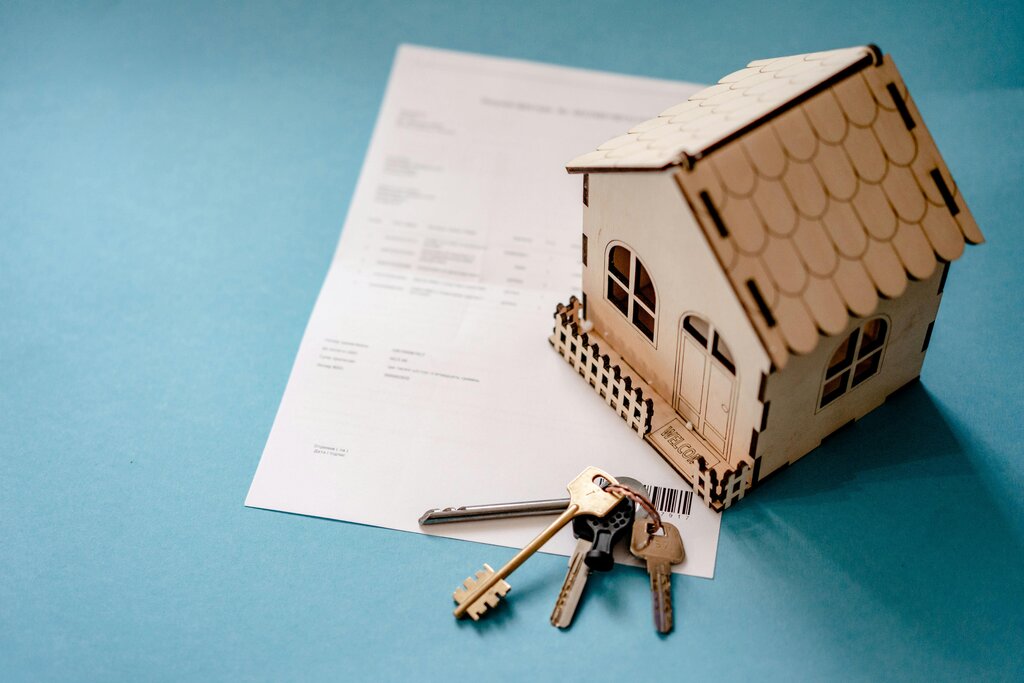
This arrangement makes it possible for people to buy homes without having hundreds of thousands of dollars saved up. Instead of one huge payment, you make smaller, regular payments over many years. Let's break down the key parts of this agreement.
The Four Key Parts
Every mortgage is built on four fundamental components that determine how much you pay and for how long.
Principal
noun
The original amount of money you borrow from the lender to buy the home.
Next is the interest, which is the fee the lender charges for letting you borrow their money. It's calculated as a percentage of the principal. This is how lenders make a profit.
Your monthly payment is a combination of a principal portion and an interest portion. Early on, more of your payment goes toward interest. Over time, that shifts, and more goes toward paying down your principal.
The term is simply the length of time you have to repay the loan. The most common mortgage terms in the U.S. are 15 years and 30 years. A shorter term means higher monthly payments but less total interest paid. A longer term results in lower monthly payments, but you'll pay significantly more in interest over the life of the loan.
Finally, amortization is the process of paying off your loan over time through regular installments. Each payment covers both principal and interest. An amortization schedule is a table that shows exactly how much of each payment goes toward principal and how much toward interest for the entire term of the loan.
Fixed vs Adjustable Rates
Mortgage interest rates come in two main flavors: fixed and adjustable. The one you choose has a big impact on your monthly payment and overall cost.
| Type | How It Works | Best For... |
|---|---|---|
| Fixed-Rate | The interest rate stays the same for the entire loan term. Your principal and interest payment never changes. | Borrowers who want predictable, stable monthly payments and plan to stay in their home for a long time. |
| Adjustable-Rate (ARM) | The interest rate is fixed for an initial period (e.g., 5 years) and then changes periodically based on market rates. | Borrowers who don't plan to stay in their home long-term or who expect their income to rise. |
With a fixed-rate mortgage, you lock in your interest rate. If market rates shoot up a year later, yours stays put. This stability is its main appeal. The downside is that initial rates for fixed-rate mortgages are often slightly higher than the initial rates for ARMs.
An Adjustable-Rate Mortgage, or ARM, offers a lower introductory rate for a set number of years. A common example is a 5/1 ARM, where the rate is fixed for the first five years and then adjusts once every year after that. ARMs can be beneficial if you plan to sell the home before the fixed period ends. However, they carry the risk that your monthly payment could increase significantly if market interest rates rise.
What is the primary purpose of a mortgage loan?
In a mortgage agreement, what does the 'term' refer to?
Understanding these core concepts is the first step toward navigating the world of home financing. They provide the foundation for every other aspect of getting and managing a mortgage.