Mortgage Marketing Fundamentals
Mortgage Industry Basics
What Is a Mortgage?
A mortgage is a loan used to buy a home or another type of real estate. When you get a mortgage, a lender gives you a large sum of money to purchase a property. You agree to pay back this money, plus interest, over a set period of time, typically 15 or 30 years.
The property itself serves as collateral for the loan. This means if you stop making payments, the lender has the right to take ownership of the property through a process called foreclosure. The main purpose of a mortgage is to make homeownership possible for people who don't have enough cash to buy a property outright.
Mortgage
noun
A loan agreement in which a borrower receives money to purchase real estate and repays the lender over time. The property serves as collateral for the loan.
The Key Players
The mortgage process involves several key participants, each with a distinct role.
| Role | Who They Are | Primary Goal |
|---|---|---|
| Borrower | An individual or entity buying property. | To secure financing to purchase a home. |
| Lender | A financial institution, like a bank or credit union. | To provide the loan and earn interest on it. |
| Broker | An intermediary who connects borrowers with lenders. | To help the borrower find the best loan terms. |
Borrowers are at the center of the transaction. Lenders are the source of the funds, evaluating the borrower's financial health to determine risk. Mortgage brokers act like matchmakers, shopping around with different lenders to find a loan that fits the borrower's needs. They don't lend money themselves but facilitate the connection.
The reality is that today’s mortgage market is more complex than ever, paving the way for prospective and current homeowners to seek out the knowledge and expertise of licensed mortgage brokers.
The Mortgage Journey
Getting a mortgage follows a structured process with several distinct stages. Understanding this journey is key to navigating it successfully.
The journey starts with the application, where the borrower provides detailed financial information. This includes income, assets, debts, and employment history.
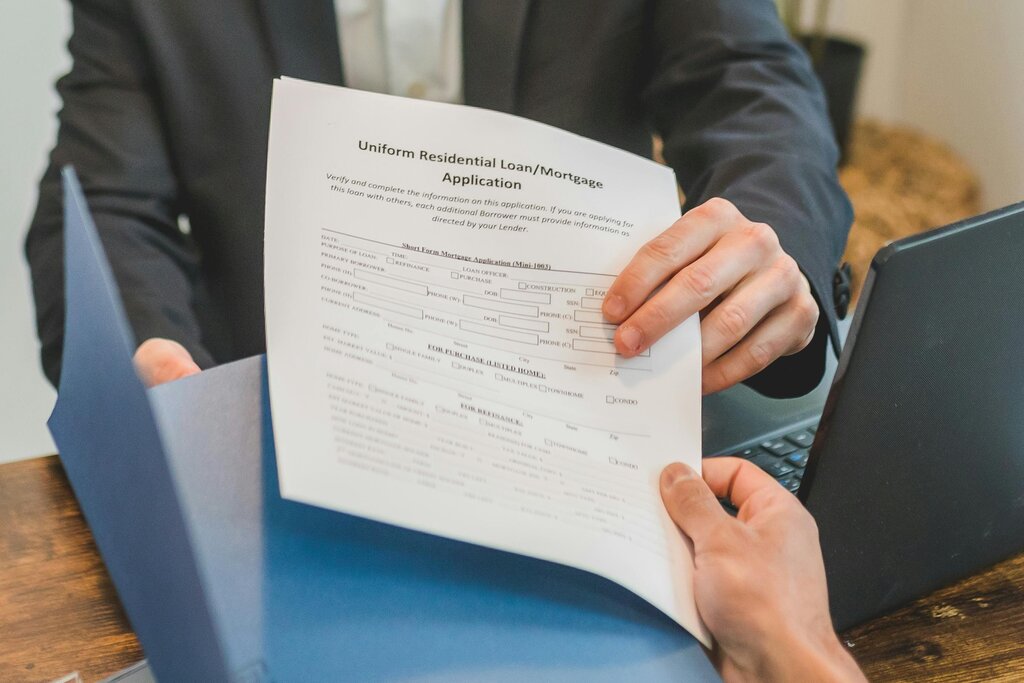
Next comes underwriting. This is where the lender's team vets the application. They verify the borrower's information and assess the risk of the loan. An underwriter makes the final call on whether the loan meets the lender's guidelines.
If everything checks out, the loan moves to approval. The lender issues a formal commitment to lend the money. Finally, the process concludes at closing. The borrower signs all the final legal documents, the funds are transferred, and ownership of the property officially changes hands.
Common Mortgage Products
Not all mortgages are the same. The two most common types are fixed-rate and adjustable-rate mortgages.
| Feature | Fixed-Rate Mortgage | Adjustable-Rate Mortgage (ARM) |
|---|---|---|
| Interest Rate | Stays the same for the entire loan term. | Can change periodically after an initial fixed period. |
| Monthly Payment | Predictable and consistent. | Can increase or decrease over time. |
| Best For | Borrowers who plan to stay in their home long-term and prefer stability. | Borrowers who may sell before the rate adjusts or who expect their income to rise. |
A fixed-rate mortgage offers stability. Your interest rate is locked in, so your principal and interest payment will never change. This makes budgeting straightforward.
An adjustable-rate mortgage (ARM) typically starts with a lower interest rate for an initial period (e.g., five years). After that, the rate adjusts based on market conditions. This can be risky if rates rise, but it might be a good option for someone who doesn't plan to stay in the home for very long.
The interest rate you're offered depends on several factors, including your credit score, the size of your down payment, the loan term (e.g., 15 vs. 30 years), and broader economic conditions.
Now that you understand the basic landscape, let's test your knowledge.
What is the primary role of the property being purchased in a mortgage agreement?
What is the main function of a mortgage broker?
This foundation gives you the context needed to understand how mortgage products are marketed to different types of borrowers.