Morocco's Geopolitics Explained
Geopolitical Foundations
What Is Geopolitics?
Geopolitics is the study of how geography shapes politics and international relations. It looks at the world like a giant chessboard, where mountains, rivers, oceans, and natural resources influence the moves countries can make. It's not just about drawing lines on a map; it's about understanding why those lines are drawn where they are and how they affect the power and behavior of nations.
Geopolitics
noun
The study of how geography, such as physical features, climate, and resource distribution, influences politics and the relations between states.
At its core, geopolitics explores the connection between a country's physical environment and its political destiny. A nation with vast, fertile plains might become a major agricultural power. A country with access to the sea can build a strong navy and control trade routes. One with rich oil reserves holds significant economic sway. These geographical realities are not just background details; they are fundamental drivers of history and current events.
Geopolitics refers to the study or analysis of the influence of geography (physical features, location, resources, etc.) on political decisions, international relations, and global power dynamics.
Geography's Grip on Power
Geography doesn't just influence power—it can define it. Natural features create both opportunities and constraints for nations.
Mountains, deserts, and oceans can act as natural fortresses, making a country difficult to invade. Think of Switzerland's mountainous terrain or the vast oceans protecting the United States. These barriers have historically provided a degree of security, allowing nations to develop with less fear of invasion.
Conversely, access to waterways is a huge advantage. Rivers facilitate internal trade and transportation, while coastlines open doors to global commerce. Strategic chokepoints, narrow passages of water that connect larger seas, are especially critical. Controlling a chokepoint means controlling the flow of trade and military vessels, giving a nation immense leverage.
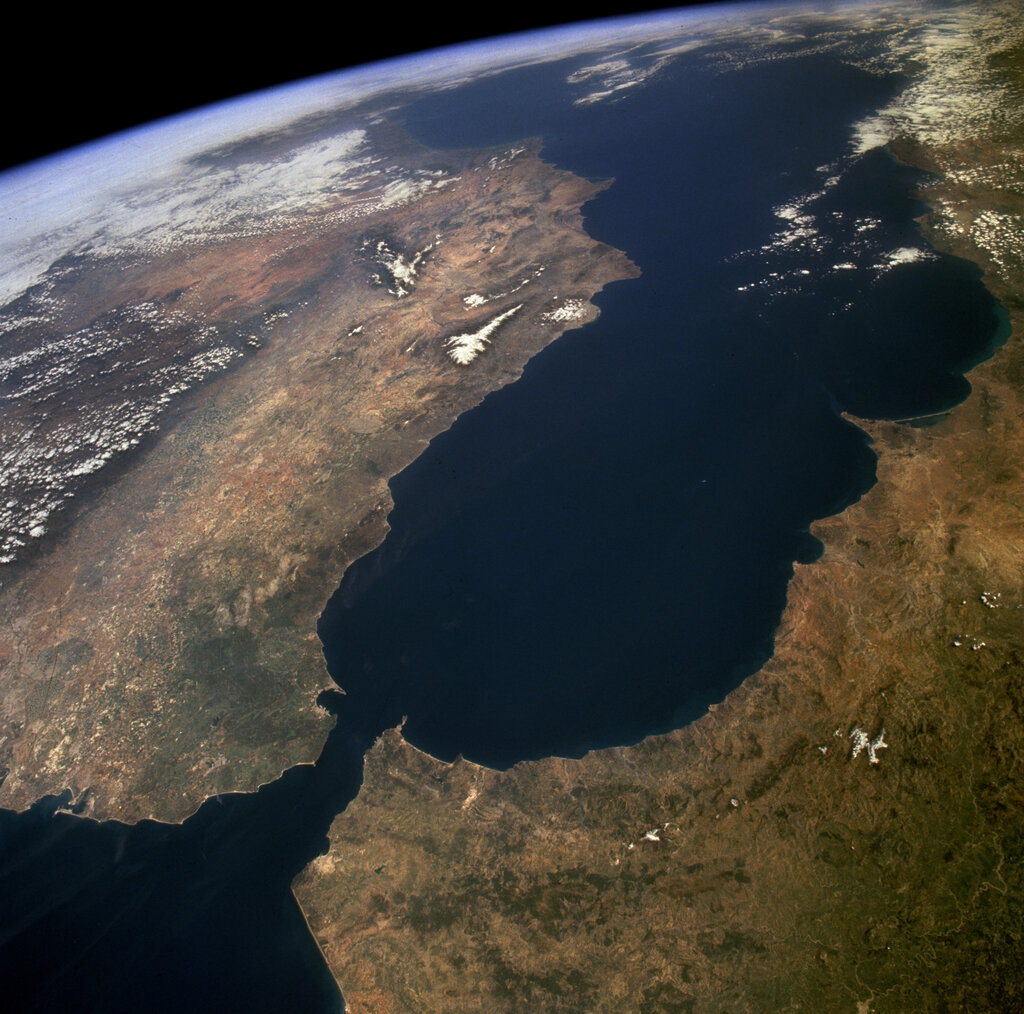
Natural resources are another pillar of geopolitical power. Access to oil, gas, minerals, and fresh water can fuel an economy and give a country influence on the world stage. Disputes over these resources often become sources of international tension.
In short, a nation's location, terrain, climate, and natural resources are the raw materials of its power.
Core Geopolitical Theories
Over the years, thinkers have developed several frameworks to explain how geography shapes global power struggles. These theories provide different lenses for viewing the world map.
Heartland Theory Proposed by Halford Mackinder, this theory argues that the key to global dominance lies in controlling the vast interior of Eurasia, which he called the "Heartland." This area, stretching from Eastern Europe into Siberia, is rich in resources and naturally protected from sea-based invasion. The idea was simple: Who rules the Heartland commands the "World-Island" (Eurasia and Africa), and who rules the World-Island commands the world.
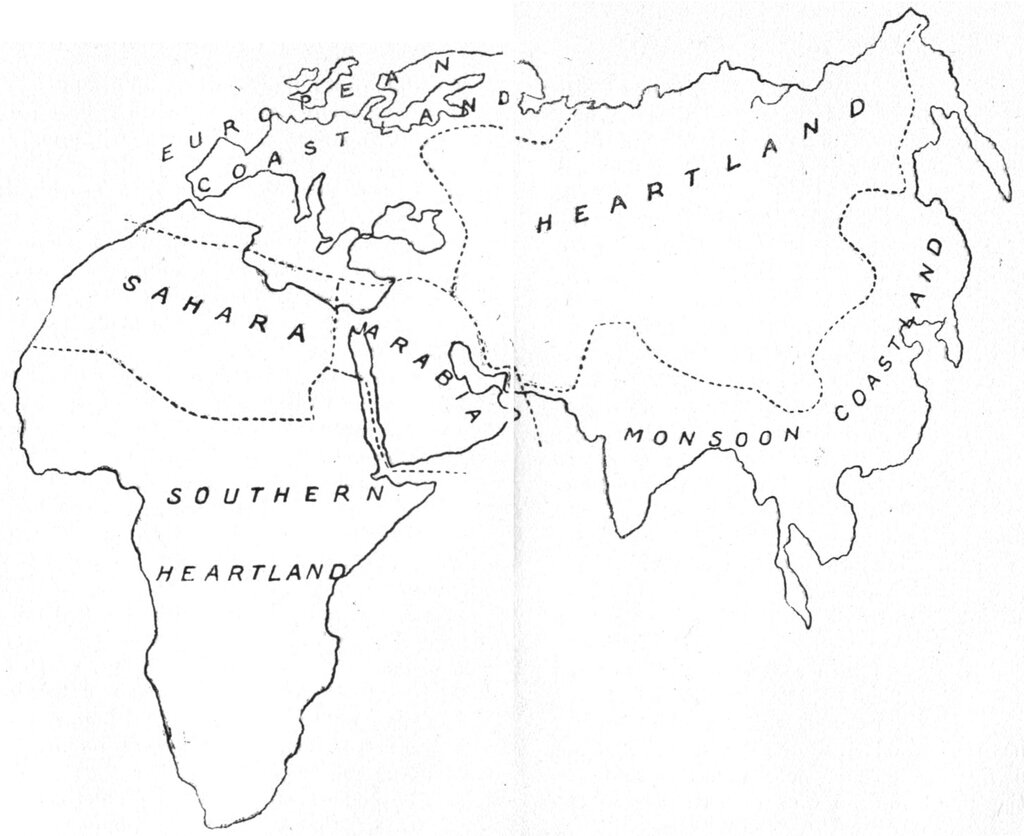
Rimland Theory Nicholas Spykman offered a counterargument. He believed that the coastal regions surrounding the Heartland, which he called the "Rimland," were more important. The Rimland (including Western Europe, the Middle East, and South and East Asia) has a larger population, more resources, and better access to sea trade. Spykman famously rephrased Mackinder: "Who controls the Rimland rules Eurasia; who rules Eurasia controls the destinies of the world."
Sea Power Theory Developed by Alfred Thayer Mahan, this theory emphasizes the importance of naval power. Mahan argued that a nation's strength is directly tied to its ability to control the seas. A powerful navy allows a country to protect its trade routes, project military force across the globe, and blockade its enemies. This thinking heavily influenced the naval arms races of the late 19th and early 20th centuries.
Analyzing the World
Geopolitical analysis isn't about predicting the future with certainty. It's about understanding the constraints and opportunities that geography places on political actors. Analysts use various tools to do this, from traditional maps to sophisticated satellite imagery and data analysis.
They study factors like population distribution, the location of critical infrastructure like ports and pipelines, and the accessibility of natural resources. By layering this geographic information with political, economic, and cultural data, they can build a more complete picture of why nations act the way they do.
These foundational concepts are the starting point for understanding any country's place in the world. They help explain the strategic logic behind alliances, conflicts, and foreign policy decisions.
What is the primary focus of geopolitics?
According to Alfred Thayer Mahan's Sea Power Theory, a nation's strength is most directly tied to its...