Morocco An Introduction
Geography
Crossroads of Continents
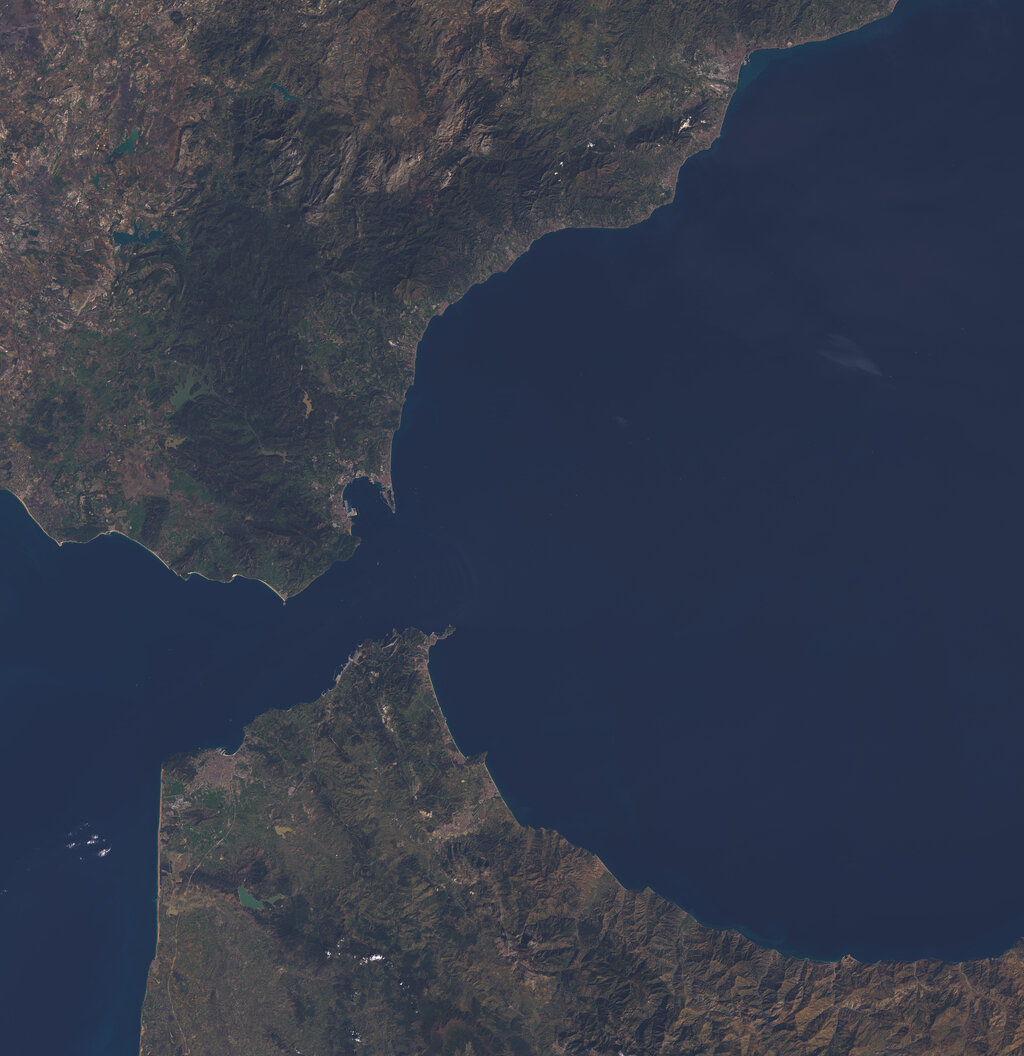
Morocco sits at the northwestern corner of Africa, a unique position that makes it both an Atlantic and a Mediterranean country. It's separated from Europe by just a narrow strip of water called the Strait of Gibraltar. This strategic spot has made it a gateway between Africa and Europe for centuries.
To the east and southeast, Morocco shares a long border with Algeria. To the south lies the disputed territory of Western Sahara. This location gives Morocco a diverse mix of cultural influences and a coastline that stretches for over 1,800 kilometers.
Mountains, Coasts, and Deserts
Morocco's landscape is incredibly varied. Along the Atlantic and Mediterranean coasts, you'll find fertile plains where most of the country's agriculture and population are concentrated. But moving inland, the terrain rises dramatically.
Two major mountain ranges, the Atlas and the Rif, act as the country's backbone, profoundly shaping its climate and culture.
The Rif Mountains run parallel to the Mediterranean coast in the north. Further south, the massive Atlas Mountains stretch across the center of the country. The Atlas range is actually three distinct chains:
- The Middle Atlas in the center.
- The High Atlas just south of it, which contains North Africa's highest peak, Jebel Toubkal.
- The Anti-Atlas in the southwest, forming a barrier against the Sahara Desert.
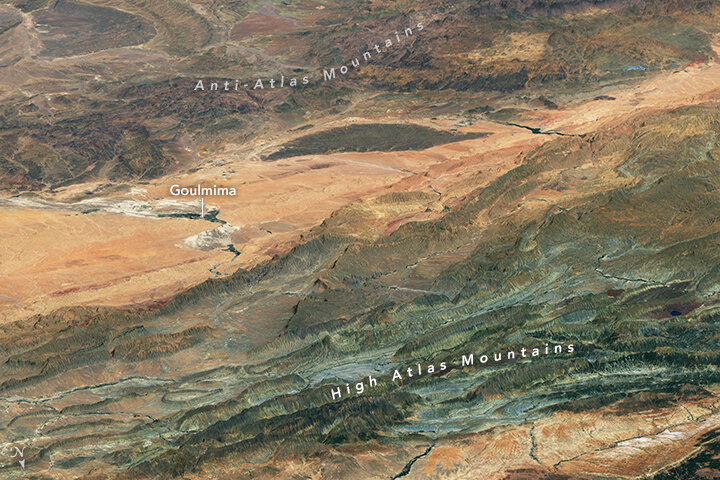
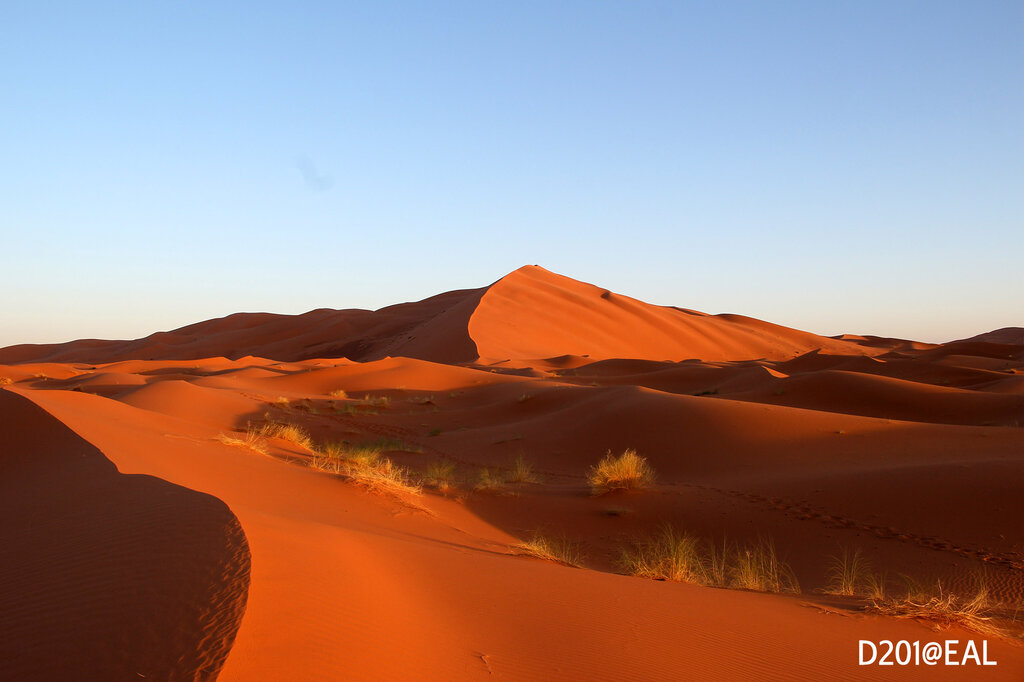
Beyond the Atlas Mountains, the landscape transforms completely. Here, the vast and arid Sahara Desert begins, characterized by rocky plains and iconic sand dunes known as ergs. The mountains create a rain shadow, blocking moisture from the Atlantic and ensuring the Sahara remains one of the driest places on Earth.
A Tale of Two Climates
Because of its diverse geography, Morocco experiences a range of climates. The northern coastal regions have a classic Mediterranean climate, with hot, dry summers and mild, wet winters. This makes the area ideal for growing crops like olives, citrus fruits, and grains.
As you travel south and east, past the Atlas Mountains, the climate becomes much harsher. This is the desert climate: scorching hot during the day, often cold at night, with very little rainfall year-round. The mountains themselves have an alpine climate, receiving snow in the winter.
Key Cities and Regions
Morocco's population is concentrated in the more hospitable regions west of the Atlas Mountains. The country's major cities are a mix of coastal hubs and ancient inland centers.
- Rabat, the capital, is located on the Atlantic coast.
- Casablanca, also on the Atlantic, is the largest city and the country's main economic and industrial hub.
- Marrakesh, an inland city at the foothills of the Atlas Mountains, is a major cultural and tourist center, famous for its historic markets and palaces.
- Fes is another historic inland city, known for its well-preserved medieval core.
| City | Location | Significance |
|---|---|---|
| Rabat | Atlantic Coast | Political Capital |
| Casablanca | Atlantic Coast | Economic Hub |
| Marrakesh | Inland (Foothills) | Cultural & Tourist Center |
| Fes | Inland | Historic & Spiritual Center |
Ready to test your knowledge? Let's see what you've learned about Morocco's geography.
What narrow body of water separates Morocco from Europe?
Which mountain range in Morocco contains Jebel Toubkal, the highest peak in North Africa?
From its strategic position connecting two continents to its dramatic landscapes, Morocco's geography is as captivating as its history.