Moroccan Darija Essentials
Introduction to Moroccan Darija
What is Darija?
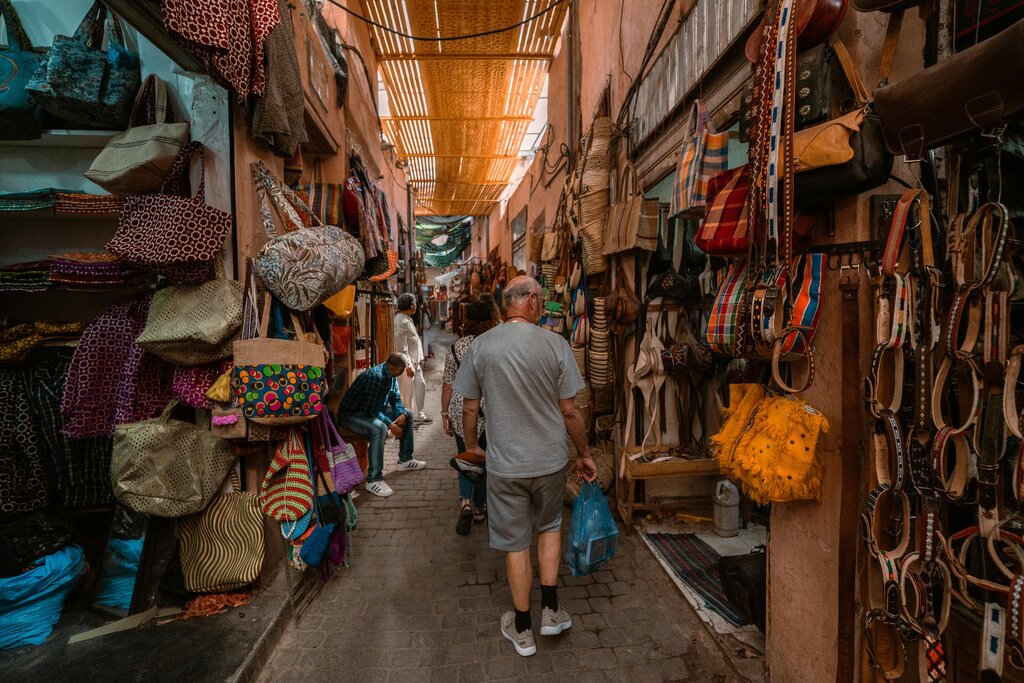
When you visit Morocco, you'll hear a language that flows through the streets, markets, and homes. It’s not the formal Arabic you might see in newspapers or on the news. This is Darija, the dialect of everyday Moroccan life.
Darija is the spoken dialect of Morocco, used in homes, markets, cafés, and everyday life.
Think of it as the country's heartbeat. While Modern Standard Arabic (MSA) is the official language used in writing and formal situations, Darija is what you'll use to chat with a shopkeeper, order a mint tea, or ask for directions. It's the language of friendship and daily connection.
A Cultural Mix
Darija didn't appear out of nowhere. It's a rich blend of languages and cultures, reflecting Morocco's long and varied history. Its foundation is Arabic, which arrived in the 7th century. But over time, it absorbed words and structures from other languages.
The indigenous Berber (Amazigh) languages, spoken in Morocco for thousands of years, have contributed many words to Darija. You'll also hear the influence of French and Spanish, a result of colonial history and geographic proximity. This mix makes Darija unique and distinct from other Arabic dialects.
| Language Source | Example Word in Darija | Meaning |
|---|---|---|
| Berber (Amazigh) | fakroun | turtle |
| French | tomobile | car |
| Spanish | semana | week |
This blending of languages happens naturally in conversation. Many Moroccans are multilingual and switch between Darija, French, and Arabic seamlessly, a practice known as code-switching.
Darija vs Formal Arabic
So what are the key differences between Darija and Modern Standard Arabic (MSA)? The relationship is similar to that between formal, written English and a casual, spoken dialect. You would write an academic paper in formal English, but you wouldn't talk to your friends that way.
MSA is understood across the Arab world and is used for literature, news broadcasts, and religious texts. Darija is specific to the Maghreb region (Northwest Africa) and is primarily a spoken language. The grammar is simplified, some sounds are different, and the vocabulary is full of loanwords. For a learner, they can sound like two different languages.
| English | Modern Standard Arabic (MSA) | Moroccan Darija |
|---|---|---|
| How are you? | Kayfa ḥāluk? (كيف حالك؟) | Labas? (لاباس؟) |
| I want | Uridu (أريد) | Bghit (بغيت) |
| What is this? | Mā hādhā? (ما هذا؟) | Ashno hada? (أشنو هذا؟) |
Because Darija is mainly spoken, there isn't one standardized way to write it using the Latin alphabet. You'll see many different spellings online, which can be confusing at first. The key is to focus on the sounds.
Don’t worry about being perfect. Moroccans often appreciate any effort to speak Darija and will usually help you along the way.
Learning a few phrases in Darija is the best way to connect with the local culture and show respect. It opens doors and turns simple interactions into warm, memorable experiences.
What is Moroccan Darija?
Darija is primarily a written language, and there is one standardized way to spell its words using the Latin alphabet.