Money, Fiat, and Fractional Reserve Banking
Fiat Legal Frameworks
The Day Money Changed Forever
For centuries, the value of money was tied to something physical. A dollar bill wasn't just paper; it was a claim check for a specific amount of gold or silver held in a vault. This system, known as a commodity standard, provided a tangible anchor for currency. But in 1971, that all changed. In an event now called the 'Nixon Shock', U.S. President Richard Nixon unilaterally severed the U.S. dollar's link to gold. Since other global currencies were pegged to the dollar, this single decision effectively ended the era of commodity-backed money worldwide.
In August 1971, the pressure on the gold standard, from all the excess money, was so great that Nixon took the step of “closing the gold window,” which had the unplanned effect of creating the environment of floating currencies we have today.
This move was a response to mounting economic pressures. The U.S. was spending heavily on the Vietnam War and domestic programs, creating more dollars than it could back with its gold reserves. Other countries, noticing this, began redeeming their dollars for gold, draining U.S. vaults. Nixon's decision was a drastic but necessary measure to protect the remaining U.S. gold supply. It threw the global financial system into a new, uncertain era. The world had moved from money backed by gold to money backed by something far more abstract: trust in the government that issues it. This is the essence of a fiat system.
Value by Decree
So if a dollar isn't a claim on gold, what gives it value? The simple answer is, the government says it has value. This is where come into play. These laws mandate that a particular currency must be accepted for all debts, public and private. If you owe someone money in the United States, they are legally required to accept U.S. dollars as payment. This creates a baseline of universal acceptability.
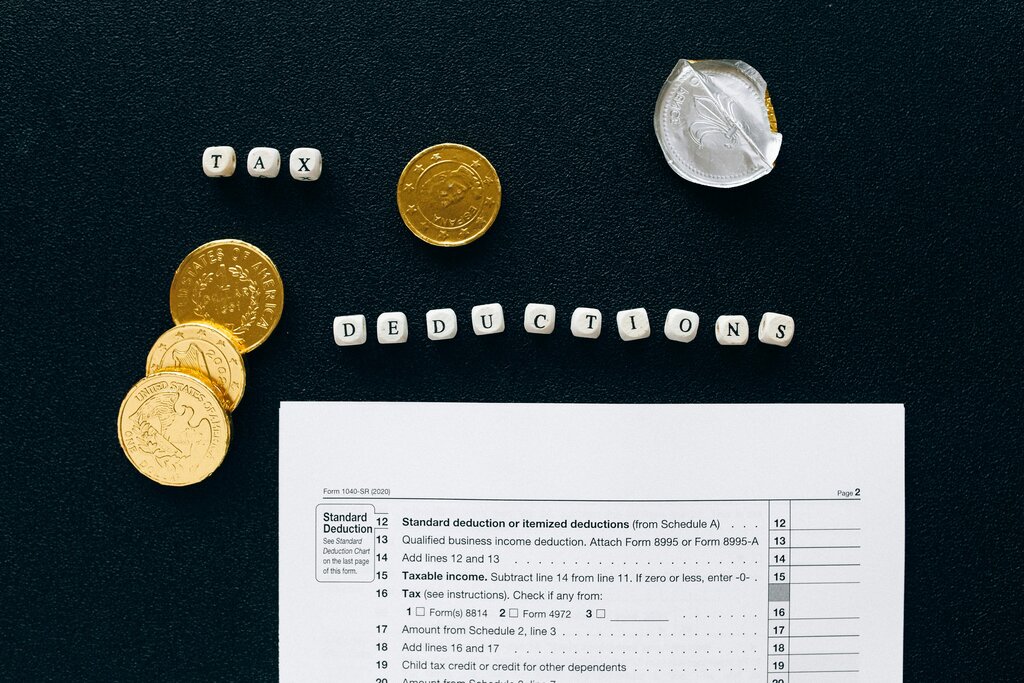
But an even more powerful force is taxation. Governments require taxes to be paid in their official currency. This creates a constant, massive, and non-negotiable demand for that currency. To operate legally within a country—as an individual or a business—you have no choice but to acquire its currency to pay your taxes. This tax-driven demand acts as a perpetual anchor for the currency's value. You need dollars to pay U.S. taxes, yen to pay Japanese taxes, and euros to pay German taxes. This requirement ensures the currency is always sought after.
From Outside to Inside Money
The end of the gold standard marked a fundamental shift from what economists call 'outside money' to 'inside money'. Outside money, like gold, is an asset that exists outside of the banking system. It's a physical commodity with intrinsic value that isn't simultaneously someone else's liability. When you hold a gold coin, you hold the actual asset.
Inside money, on the other hand, is credit-based. Most of the money in a modern economy is inside money—it's created when commercial banks make loans. A bank deposit is a perfect example. Your checking account balance isn't a stack of bills with your name on it; it's a liability on the bank's balance sheet. It's a promise from the bank to provide you with currency on demand. This system allows for a flexible, or "elastic," money supply that can expand or contract based on economic needs, a key feature that proponents of fiat currency champion.
The framework that collapsed in 1971 was the , established in 1944 to create stability after World War II. Under this agreement, the U.S. dollar was pegged to gold at a fixed rate of $35 per ounce, and other countries then pegged their currencies to the dollar. The U.S. dollar acted as the world's reserve currency. The system's collapse ushered in the era of floating exchange rates we have today, where currency values fluctuate against one another based on supply and demand in foreign exchange markets. This gives countries more independent control over their monetary policy to fight recessions or control inflation, but it also introduces more volatility and uncertainty into international trade and finance.
Ultimately, a sovereign fiat currency is a social construct. Its value is derived from the full faith and credit of the government that issues it. This trust is based on the country's economic strength, political stability, and the central bank's commitment to managing the money supply responsibly. When that trust erodes, a currency can lose value rapidly, leading to hyperinflation. But when managed well, a fiat system provides the flexibility needed to navigate the complexities of a modern global economy.
Now that you understand the legal and economic foundations of modern money, let's test your knowledge.
What major event, known as the 'Nixon Shock', occurred in 1971?
Under a fiat currency system, what primarily compels citizens and businesses to acquire and use a country's official currency?
The shift from gold to fiat was one of the most significant economic events of the 20th century. It replaced a system based on a physical commodity with one based on laws, taxes, and trust, fundamentally changing how governments manage their economies.