Monetizing with Artificial Intelligence
Introduction to AI
What Is Artificial Intelligence?
Artificial intelligence, or AI, is the science of making computers do things that normally require human intelligence. Think about how we learn: we gather information, recognize patterns, make decisions, and get better with practice. The goal of AI is to build systems that can do the same.
At its core, AI involves creating algorithms, which are sets of rules or instructions, that allow a machine to learn from data. Instead of being programmed for one specific task, an AI system can adapt. It can reason through problems, recognize speech, see objects, and even make its own creative choices. It's not about creating a machine that thinks like a human, but one that can solve problems like one.
AI gives a computer the ability to learn, reason, and correct itself without explicit programming for every single step.
A Quick Trip Through Time
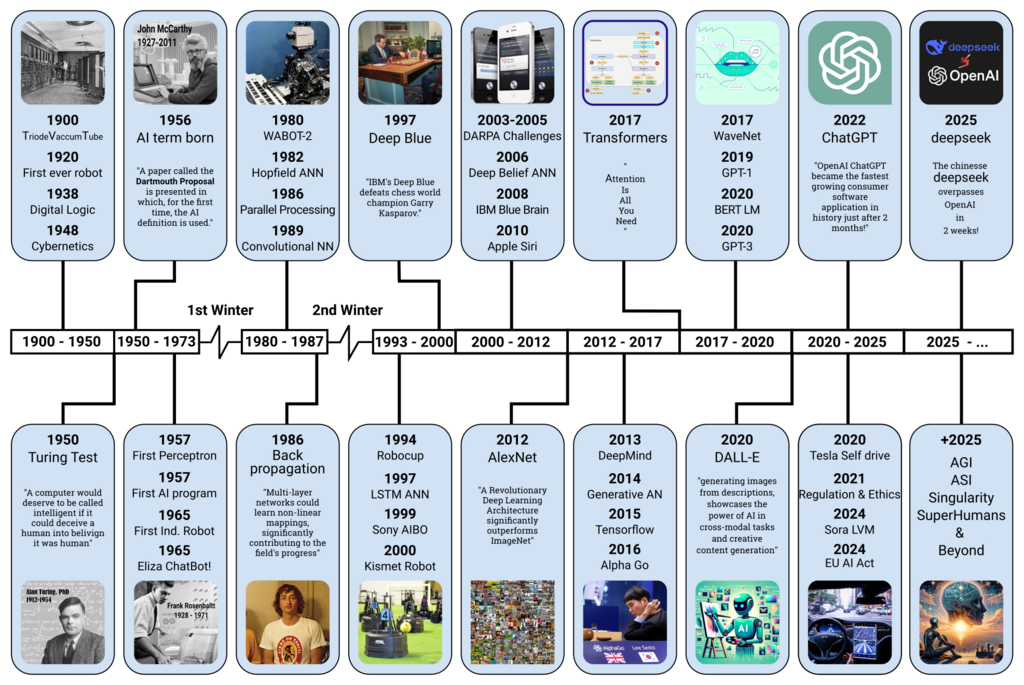
The idea of intelligent machines has been around for centuries, but the modern field of AI officially began in the summer of 1956. A group of scientists gathered for a workshop at Dartmouth College to explore the concept of thinking machines. This event coined the term "artificial intelligence" and kicked off decades of research.
The journey wasn't a straight line. There were periods of great excitement and funding, followed by "AI winters" when progress stalled and interest faded. Early computers were slow and couldn't store much information, which limited what researchers could achieve. But in recent decades, two things changed everything: the explosion of data from the internet and the development of much more powerful computers. These advances fueled a massive resurgence, leading to the powerful AI tools we see today.
The Many Faces of AI
AI is a broad field with many specialized areas. You can think of it as an umbrella term that covers several different approaches and technologies. Some of the most important subfields include:
Machine Learning
noun
The most common form of AI. It's the process of teaching a system to make accurate predictions by feeding it large amounts of data. It learns patterns from the data without being explicitly programmed.
Deep Learning: This is a more advanced subset of machine learning. It uses complex structures called neural networks, which are inspired by the human brain. Deep learning is the engine behind many of today's most impressive AI feats, like realistic image generation and complex language translation.
Natural Language Processing (NLP): This area focuses on the interaction between computers and human language. NLP allows machines to read, understand, and generate text and speech. Virtual assistants like Siri and Alexa rely heavily on NLP.
Computer Vision: This subfield enables machines to interpret and understand visual information from the world, such as images and videos. It's used in everything from facial recognition on your phone to self-driving cars navigating the road.
AI in the Wild
You probably interact with AI every day without even realizing it. It's seamlessly integrated into many of the services and products we use. These systems work in the background, making tasks easier, more efficient, and more personalized.
| Industry | Application of AI |
|---|---|
| Entertainment | Recommending movies or songs you might like. |
| Filtering spam and sorting messages into categories. | |
| Navigation | Finding the fastest route and predicting traffic. |
| Healthcare | Analyzing medical images to help doctors detect diseases. |
| Finance | Detecting fraudulent credit card transactions in real-time. |
| Retail | Powering chatbots that provide customer support. |
These applications are just the beginning. As technology continues to evolve, AI is poised to transform nearly every industry, solving complex problems and creating new possibilities.
Now, let's test your knowledge of these foundational concepts.
What is the primary goal of artificial intelligence?
The modern field of AI is considered to have officially begun at a workshop held at which institution?