Monetizing Vibecoding
Introduction to Vibe Coding
What is Vibe Coding?
Instead of meticulously writing every line of code, what if you could just describe what you want a program to do in plain English? That's the core idea behind vibe coding. It’s a new way to build software where you have a conversation with an AI, guiding it to generate the code for you.
Vibe coding, a term coined by Andrej Karpathy in February 2025, has quickly become a compelling and controversial natural language programming paradigm in AI-assisted software development.
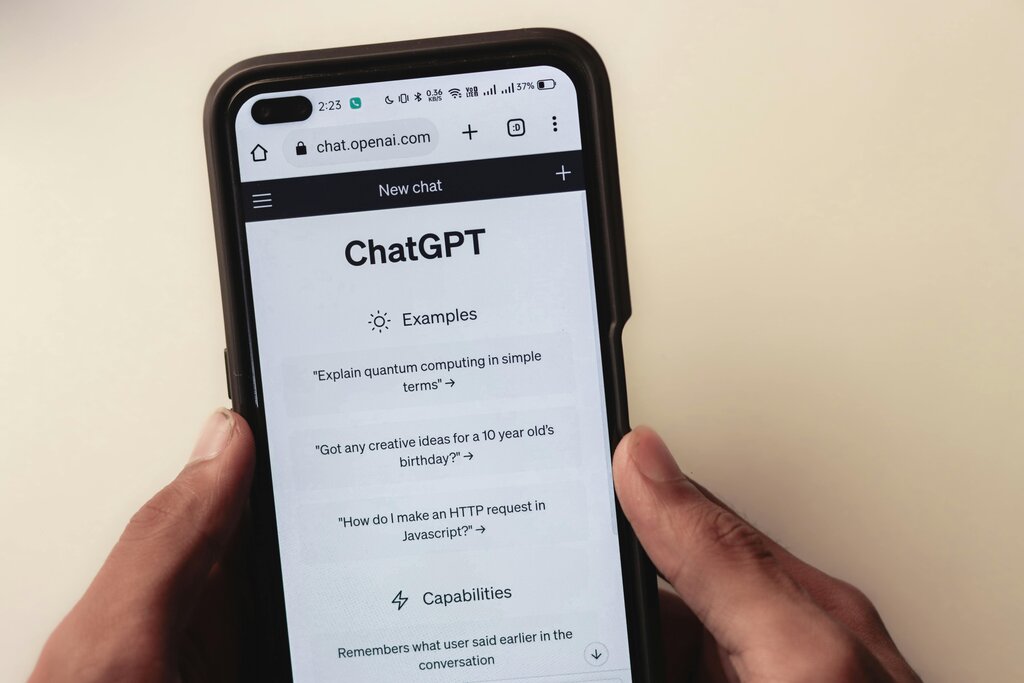
The name says it all. You're trying to get on the same wavelength—the same “vibe”—with a Large Language Model (LLM). Your job shifts from being a master of syntax to being a master of communication. You describe the functionality, test the AI's output, and provide feedback to refine the results. It's an iterative, collaborative dance between human intent and machine execution.
How It's Different
Traditional programming is a structured, precise process. You learn a specific language with strict rules about syntax and logic. A single misplaced semicolon can stop a program from working. You build everything from the ground up, line by line, solving problems through direct implementation.
Traditional Coder: "I need to write a function that sorts a list of numbers in ascending order. I will implement a bubble sort algorithm." Vibe Coder: "Hey AI, can you write a Python script that sorts a list of numbers from smallest to largest?"
Vibe coding turns this on its head. It’s less about the 'how' and more about the 'what'. You focus on the high-level goal and let the AI handle the low-level details of writing the code. This makes it possible for people without deep programming expertise to build software and allows experienced developers to prototype ideas much faster.
| Feature | Traditional Coding | Vibe Coding |
|---|---|---|
| Primary Skill | Syntax & Logic | Communication & Testing |
| Process | Writing code line-by-line | Describing outcomes, iterating |
| Speed | Deliberate, methodical | Fast, experimental |
| Entry Barrier | High (requires learning a language) | Low (requires clear communication) |
Pros and Cons
Like any new approach, vibe coding comes with a unique set of strengths and weaknesses.
The biggest benefit is speed. You can go from an idea to a working prototype in a fraction of the time it would take with traditional methods. This opens up software development to a wider audience, including designers, entrepreneurs, and hobbyists who might have great ideas but lack the formal coding skills to build them.
However, there are downsides. The code generated by an AI isn't always perfect. It can contain subtle bugs, be inefficient, or have security vulnerabilities. The developer's role becomes one of a careful editor and tester, which requires a different but equally important skill set. You're also dependent on the AI's capabilities; if it doesn't understand your request or doesn't know how to implement a specific feature, you can get stuck.
Ultimately, vibe coding is a powerful tool for rapid prototyping and making development more accessible. It doesn't replace the need for programming knowledge, especially for complex or critical applications, but it fundamentally changes the creative process.
Ready to check your understanding of this new coding paradigm?