Monetizing Health and Safety Skills in the UAE
Understanding the UAE Job Market
The UAE Employment Landscape
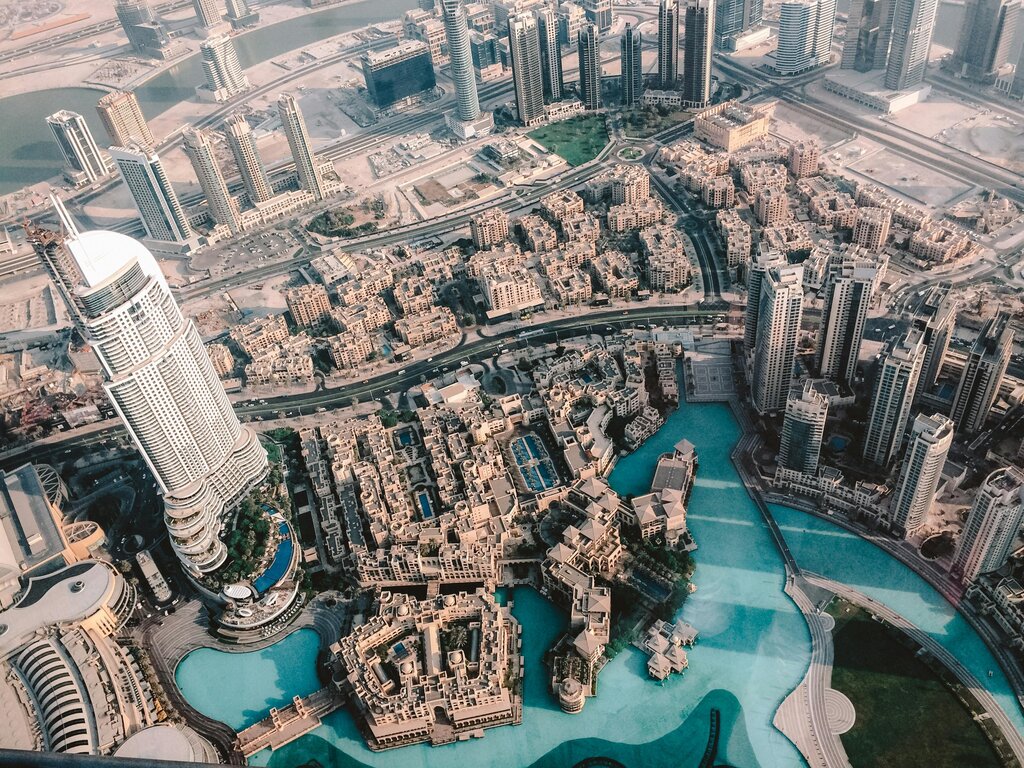
The United Arab Emirates has one of the most dynamic job markets in the world. While historically powered by oil and gas, its economy has diversified impressively. Today, thriving sectors include tourism, construction, logistics, finance, and technology, attracting a global workforce. This rapid growth and diversification create a constant demand for skilled professionals across many fields.
The majority of the UAE's workforce is comprised of expatriates from all over the globe. This creates a unique, multicultural professional environment. The government actively promotes economic development, leading to continuous large-scale projects that require specialized expertise.
Health and Safety in Demand
With massive construction projects, a significant industrial base, and a bustling tourism sector, the need for robust health and safety standards is critical. The UAE places a strong emphasis on workplace safety, aligning with international best practices. This has created a high demand for qualified health and safety professionals.
Key industries constantly seeking this expertise include:
- Oil and Gas: The bedrock of the economy, this sector has stringent safety protocols for exploration, extraction, and refining.
- Construction: With ambitious urban development and infrastructure projects, ensuring worker safety on-site is a top priority.
- Manufacturing: Factories and industrial plants require safety officers to oversee operations and minimize risks.
- Hospitality and Tourism: Hotels, resorts, and large-scale event venues must manage the safety of both staff and a high volume of guests.
Professionals with certifications like NEBOSH (National Examination Board in Occupational Safety and Health) or IOSH (Institution of Occupational Safety and Health) are particularly sought after by employers in the region.
Understanding Emiratisation
As you explore job opportunities, you'll encounter the policy of Emiratisation. This is a government initiative aimed at increasing the number of Emirati citizens working in the private sector.
Emiratisation
noun
A government policy in the UAE requiring companies, particularly in the private sector, to hire a certain percentage of Emirati nationals.
For companies, this means meeting specific quotas for hiring UAE nationals. For job seekers, it means that in some roles, Emirati candidates may be given preference. However, the policy does not close doors to expatriates. The demand for highly skilled and specialized talent often outstrips the local supply, especially in technical fields like health and safety. The key is to possess skills and experience that are in high demand.
The Role of Free Zones
The UAE is home to dozens of "free zones." These are special economic areas that offer customs and tax benefits to foreign-owned businesses. Companies operating within these zones can be 100% foreign-owned, which makes them highly attractive to international firms looking to establish a regional presence.
For job seekers, free zones are a significant source of employment. They often host clusters of companies from a specific industry, such as Dubai Media City for media companies or Jebel Ali Free Zone (JAFZA) for logistics and trade. These zones operate under a separate set of regulations from the UAE mainland, which can sometimes affect employment contracts and sponsorship.
A Safety Net for Workers
In 2023, the UAE introduced an unemployment insurance scheme, marking a significant development in its labor market. This mandatory program applies to most employees in both the public and private sectors, including those in free zones.
Employees contribute a small amount from their monthly salary. In the event of an involuntary job loss, the insured person is eligible to receive a cash benefit for up to three months. This provides a financial cushion, allowing for a more stable job search period. For expatriates, this program adds a layer of security that was not previously available, making the prospect of working in the UAE more secure.
Ready to check your understanding of these key concepts?
What is the primary driver of the modern UAE job market, leading to a high demand for a global workforce?
The policy of Emiratisation has completely closed off job opportunities for expatriates in the UAE's private sector.
Understanding these elements of the UAE's employment landscape is crucial for any professional planning a career move to the region.