Monetizing Content Faceless Channels
Content Creation Basics
Start with Who, Not What
Before you write a single word or record a second of video, you need to know who you're creating for. Content creation isn't about broadcasting your thoughts into the void; it's about having a conversation with a specific group of people.
Think of it like being a chef. You wouldn't plan a menu without knowing your diners. Are they vegetarians? Do they love spicy food? Are they looking for a quick lunch or a fancy dinner? The same goes for content. You need to understand your audience's demographics (age, location) and, more importantly, their preferences and pain points. What are they struggling with? What are they curious about? What makes them laugh?
Your goal is to create the one thing they can't wait to see in their feed because it speaks directly to them.
How do you figure this out? Start by looking at creators in a similar space. Read the comments on their posts and videos. What questions are people asking? What are they excited about? You can also use platform analytics, which provide data on who is interacting with your content. The more you know about your audience, the better you can serve them.
Develop Your Roadmap
Once you know your audience, you need a plan. A content strategy is your roadmap, guiding what you create and why. Without one, you'll likely create content randomly, hoping something sticks. A strategy ensures every piece of content has a purpose.
Your strategy should have a few key parts:
- Content Pillars: These are the 3-5 main topics or themes you'll consistently talk about. If you're a fitness creator, your pillars might be 'HIIT Workouts,' 'Healthy Recipes,' and 'Mindfulness.'
- Content Formats: Will you write blog posts, create short videos, host a podcast, or design infographics? Your format should match your topic and the platform you choose.
- Content Calendar: This is a schedule of what you'll post and when. It doesn't need to be complicated. A simple spreadsheet can help you plan weeks or even months in advance, reducing the stress of last-minute content creation.
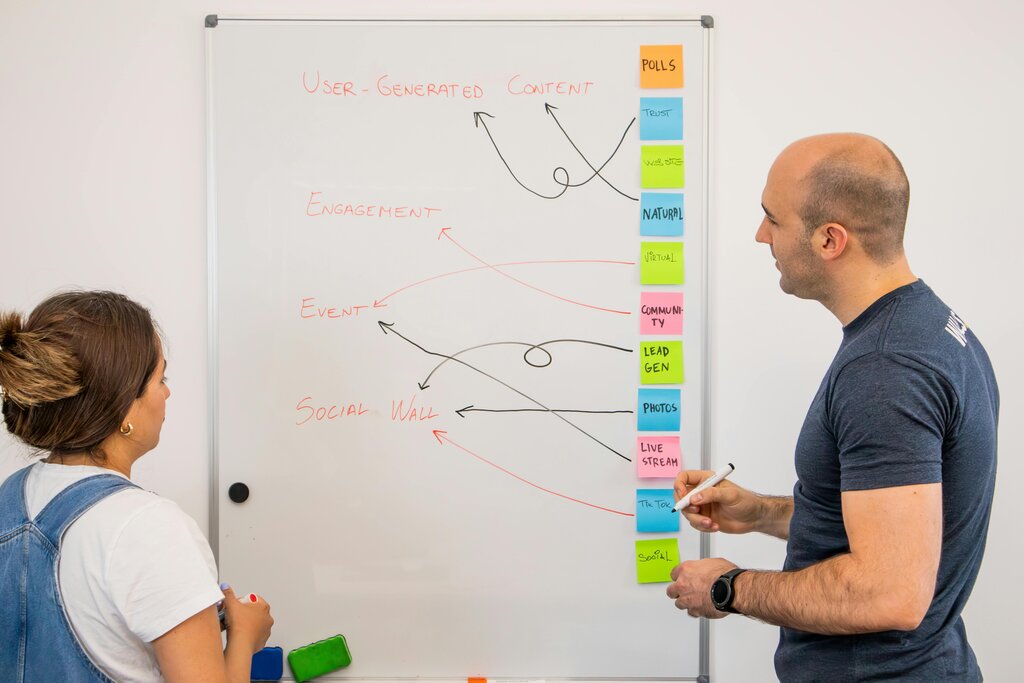
A good strategy is flexible. It allows you to adapt to new trends or audience feedback while keeping your content focused and consistent.
Choose Your Platform
You don't need to be everywhere at once. In fact, that's a recipe for burnout. The best approach is to choose one or two platforms where your target audience spends most of their time and focus your energy there. Each platform has its own language and expectations.
| Platform | Best For | Vibe |
|---|---|---|
| YouTube | In-depth tutorials, vlogs, reviews | Educational, entertaining, personality-driven |
| Blog | Detailed guides, long-form articles, case studies | Informative, authoritative, search-friendly |
| High-quality visuals, short videos (Reels), community building | Aspirational, creative, behind-the-scenes | |
| TikTok | Short-form, trend-driven videos | Raw, funny, fast-paced |
| Professional advice, industry insights, networking | Professional, educational, corporate |
Don't just repost the same content everywhere. Tailor it to fit the platform. A deep-dive YouTube video can be broken down into several short tips for TikTok, a compelling quote for an Instagram graphic, and a professional summary for LinkedIn.
Create one primary piece of content (usually a video clip or key insight) and adapt it for different platforms.
Create Value and Be Consistent
Ultimately, people follow creators who provide value. Value can come in many forms: education (teaching a skill), entertainment (making someone laugh), or inspiration (sharing a powerful story). Before you hit 'publish,' ask yourself: "How does this help my audience?"
Valuable content solves a problem, answers a question, or brightens someone's day. It's the reason people come back for more.
Just as important as value is consistency. Building an audience is a marathon, not a sprint. A regular posting schedule builds anticipation and trust. It signals to your audience, and to platform algorithms, that you're a reliable source of content.
Consistency isn't about posting daily. It's about creating a realistic schedule and sticking to it. Whether it's one video a week or three blog posts a month, find a rhythm you can maintain over the long term. This steady drumbeat of valuable content is the foundation of a strong online presence.
What is the primary reason for a content creator to identify and understand their target audience?
In a content strategy, what are 'content pillars'?