Monetizing AI With Prompt Engineering
Introduction to Prompt Engineering
Talking to Machines
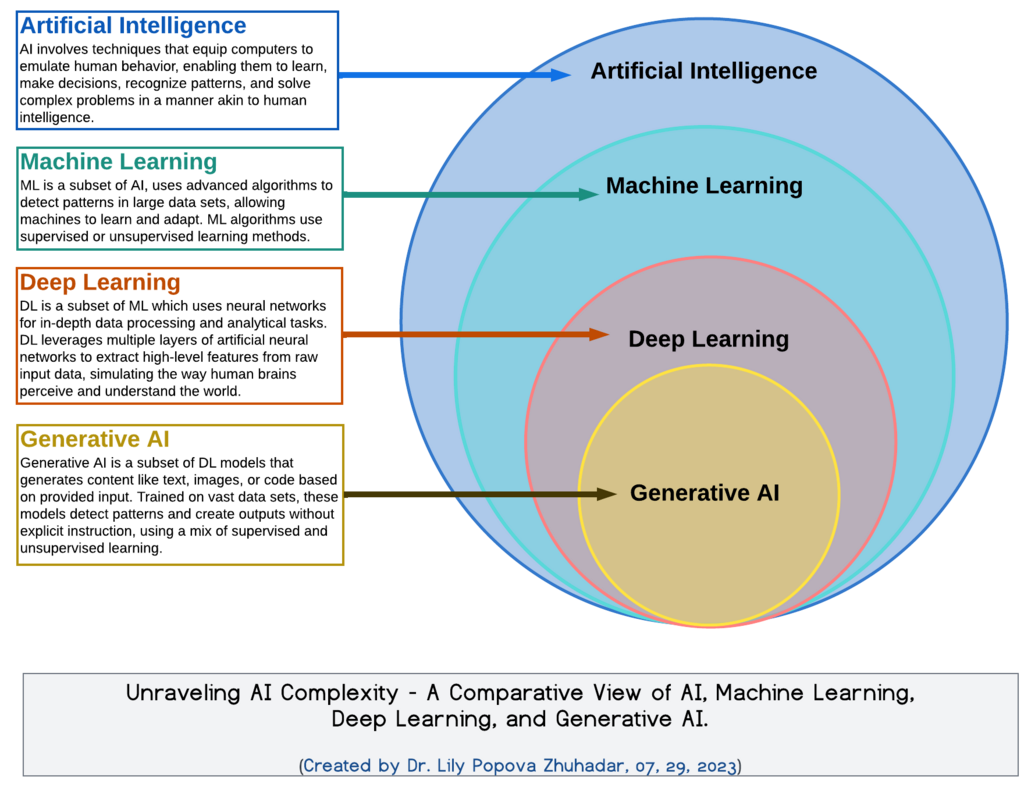
At its heart, generative AI is a conversational partner. You give it an instruction, and it generates a response. These systems, often called Large Language Models or LLMs, are trained on vast amounts of text and images from the internet. This training allows them to understand language, recognize patterns, and create new content based on the inputs they receive.
The instruction you give to an AI is called a prompt. It's the starting point for everything. A simple prompt might be "What is the capital of France?" An LLM can easily answer that. But what if you want something more complex, like a poem, a piece of code, or a business plan? The quality of the AI's output depends almost entirely on the quality of your prompt.
Prompt engineering is the strategic practice of crafting and refining input prompts for Large Language Models (LLMs) like Gemini, GPT, Claude, and open-source models such as Gemma or LLaMA.
This is where prompt engineering comes in. It’s the skill of carefully designing your inputs to guide an AI toward the specific, high-quality output you want. Think of it less like searching on Google and more like giving directions to a very literal-minded but incredibly creative assistant.
The Art of the Ask
Imagine you're at a coffee shop. If you just say "Give me coffee," you'll probably get a plain black coffee. But if you're craving something specific, you need to provide more detail: "I'd like a large iced oat milk latte with one pump of vanilla syrup."
Prompt engineering works the same way. A vague prompt leads to a generic response. A specific, detailed prompt leads to a tailored, more useful one.
It's the same principle in prompt engineering, as detailed coffee orders lead to better coffee, specific good prompts can produce more relevant and refined AI responses.
Let's look at an example. Suppose you want an email to your team about a new project.
Vague prompt:
Write an email about the new project.
This will generate a generic email. It might be okay, but it will lack important details.
Engineered prompt:
Write a friendly and enthusiastic email to my marketing team. Announce our new project, codenamed "Project Phoenix." Mention that the goal is to redesign the company website. The deadline for the first draft of the design is next Friday. Ask them to come to the kickoff meeting on Monday at 10 AM with their initial ideas.
This second prompt provides context (friendly, enthusiastic email to the marketing team), key details (project name, goal, deadline), and a clear call to action (kickoff meeting). The AI's output will be far more useful and require much less editing.
Prompt
noun
An instruction or input given to a generative AI model to elicit a specific response.
Why It Matters
As AI becomes more integrated into our daily work and creative processes, the ability to communicate effectively with these models is becoming a crucial skill. Good prompt engineering saves time, reduces the need for extensive revisions, and unlocks the creative potential of AI tools.
It's not about knowing a secret code. It's about being clear, providing context, and specifying the format you want. The better you can define what you're looking for, the better the AI can deliver it.
This process is often iterative. You start with a prompt, see the result, and then refine your prompt to get closer to your desired outcome. With practice, you'll develop an intuition for how to ask for exactly what you need.
Time to check your understanding of these core concepts.
What is the primary goal of prompt engineering?
Based on the provided text, which of these is the most effective prompt for generating a social media post?
Mastering the basics of prompt engineering is the first step toward effectively collaborating with AI. By learning to craft clear and specific instructions, you can transform these powerful tools from simple curiosities into indispensable partners for work and creativity.