Monetizing AI Photography
Introduction to AI-Generated Photography
The New Lens
At its core, AI-generated photography uses artificial intelligence to create or modify images that look like photographs. Instead of a camera capturing light, a computer program uses data and algorithms to build an image from scratch based on a text description, or to make complex edits to an existing photo.
Think of it like giving instructions to an incredibly skilled artist who has studied millions of images. You describe a scene—"a photorealistic image of a cat wearing a tiny hat, sitting in a sunlit library"—and the AI, known as a generative model, constructs it pixel by pixel. These models learn patterns, textures, lighting, and composition from vast datasets of existing photos, allowing them to produce brand-new, original images.
From Labs to Laptops
The idea of machines creating art isn't new, but for decades it was mostly theoretical. Early AI in the creative industry was limited to simple pattern recognition or basic image manipulation. Traditional photography, meanwhile, was a craft honed through physical lenses, film, and darkrooms, later transitioning to digital sensors and editing software.
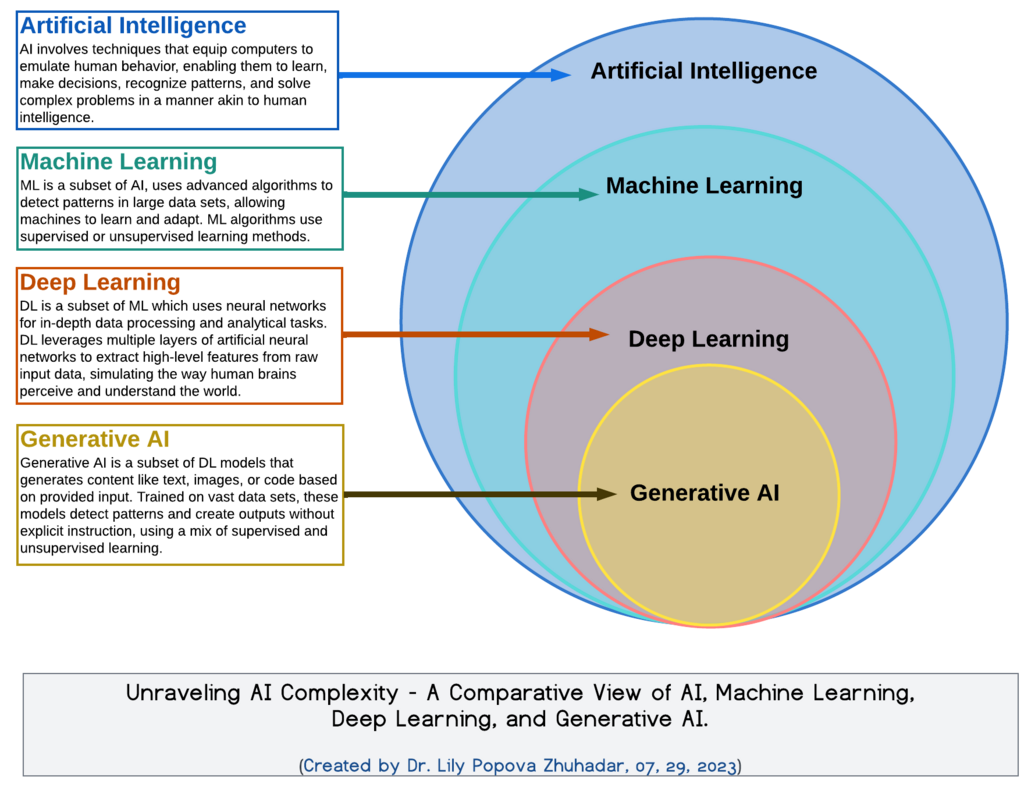
The big shift came with the rise of deep learning and specific types of neural networks called Generative Adversarial Networks (GANs) and, more recently, diffusion models. These advancements accelerated AI's creative capabilities exponentially.
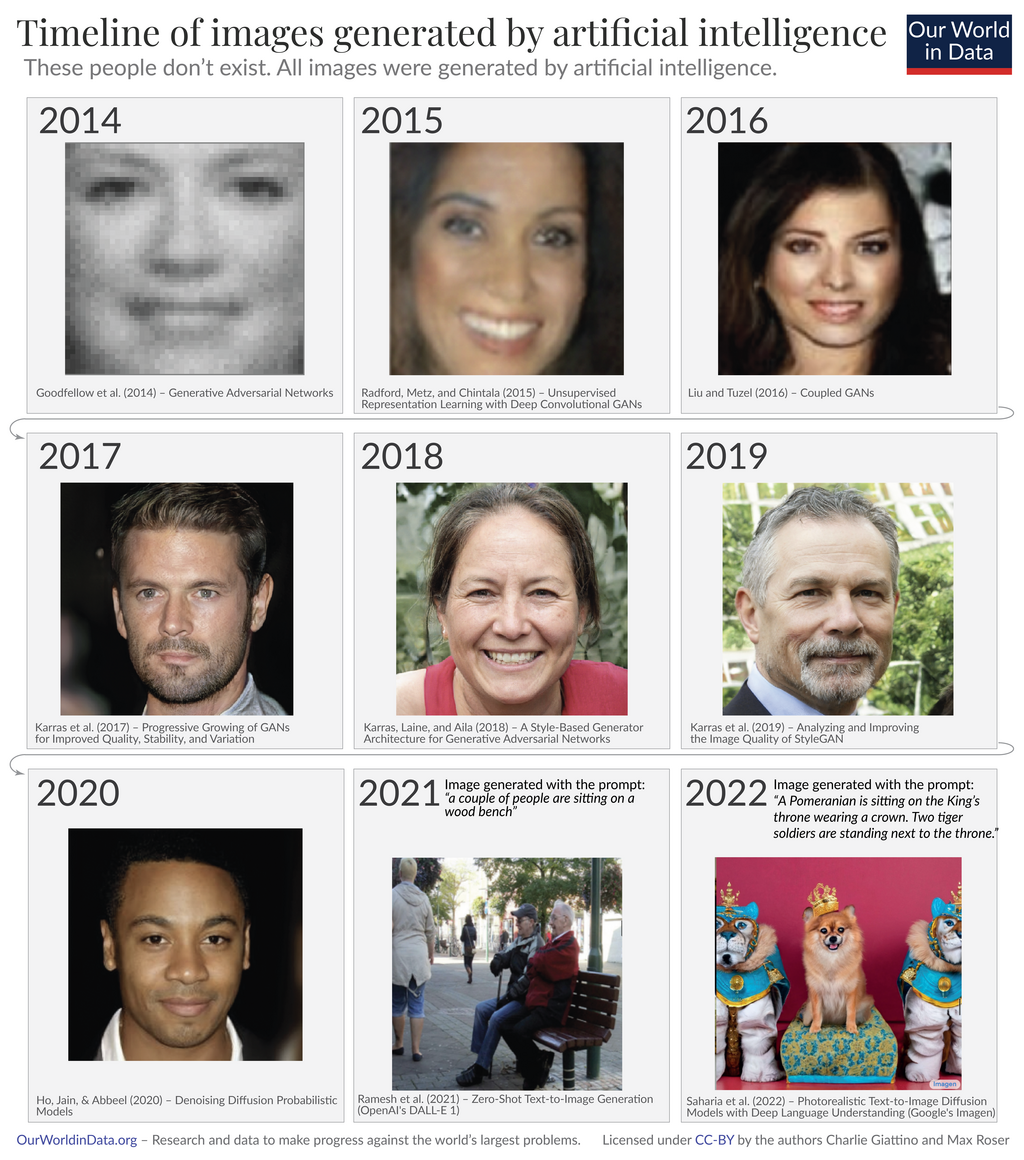
This leap forward has started to blur the lines. AI tools can now perform tasks that once required hours of meticulous work in programs like Photoshop, such as removing objects, changing backgrounds, or even restoring old, damaged photos. It also allows for the creation of scenes that would be impossible or prohibitively expensive to shoot in real life.
AI isn't necessarily replacing photographers, but it's creating a new type of tool that changes what's possible.
The AI Darkroom
A wide range of AI tools for image generation are now available, each with its own strengths. Some excel at creating photorealistic images, while others are better for artistic styles. They all generally work by taking a text prompt from the user and generating an image.
| Tool | Primary Use | Key Feature |
|---|---|---|
| Midjourney | Highly artistic and stylized images | Known for its unique, often beautiful aesthetic |
| DALL-E 3 | Detailed and prompt-adherent images | Integrates with ChatGPT for easy prompt creation |
| Stable Diffusion | Open-source and highly customizable | Can be run locally; offers extensive user control |
| Adobe Firefly | Commercial-safe image generation and editing | Trained on Adobe Stock; integrated into Photoshop |
These platforms do more than just generate images from scratch. Many include "inpainting" and "outpainting" features, which allow you to edit specific parts of an image or extend its borders. For example, you could take a portrait and ask the AI to generate a more expansive background, or you could select a person's shirt and change its color and style with a simple text command.
These AI tools can perform tasks such as automated background removal, intelligent subject detection for targeted adjustments, AI-driven noise reduction, and even predictive editing suggestions based on the content of the image.
AI in Marketing
The impact on commercial photography and marketing has been immediate. Brands now use AI to create unique imagery for advertising campaigns, social media posts, and product mockups without the need for expensive photoshoots.
Imagine a furniture company that wants to show its new sofa in a dozen different living room styles, from minimalist to bohemian. Instead of building and photographing twelve physical sets, they can use AI to generate high-quality images of the sofa in each environment. This saves time, reduces costs, and allows for rapid A/B testing of different visual concepts to see which one resonates most with customers.
AI also enables a new level of personalization. An e-commerce site could potentially generate product images on the fly that feature models who resemble the customer, or show a piece of clothing in a setting that matches the customer's local weather. This makes the shopping experience more relevant and engaging.
Ready to check your understanding?
What is the primary input a user provides to an AI image generation model to create a picture from scratch?
Which of the following technologies were mentioned as a major reason for the recent, rapid advancement in AI's creative capabilities?
AI has opened a new frontier in visual creation, equipping both professionals and hobbyists with powerful tools to bring their ideas to life.