Monetizing AI Opportunities
Introduction to AI
What Is Artificial Intelligence?
Artificial Intelligence, or AI, is about creating computer systems that can perform tasks that typically require human intelligence. This includes things like learning, reasoning, problem-solving, understanding language, and perceiving the world around us.
Think of it less as building a conscious robot and more as creating specialized tools that can handle specific cognitive tasks. AI isn't one single thing; it's a broad field of computer science with many sub-fields and technologies.
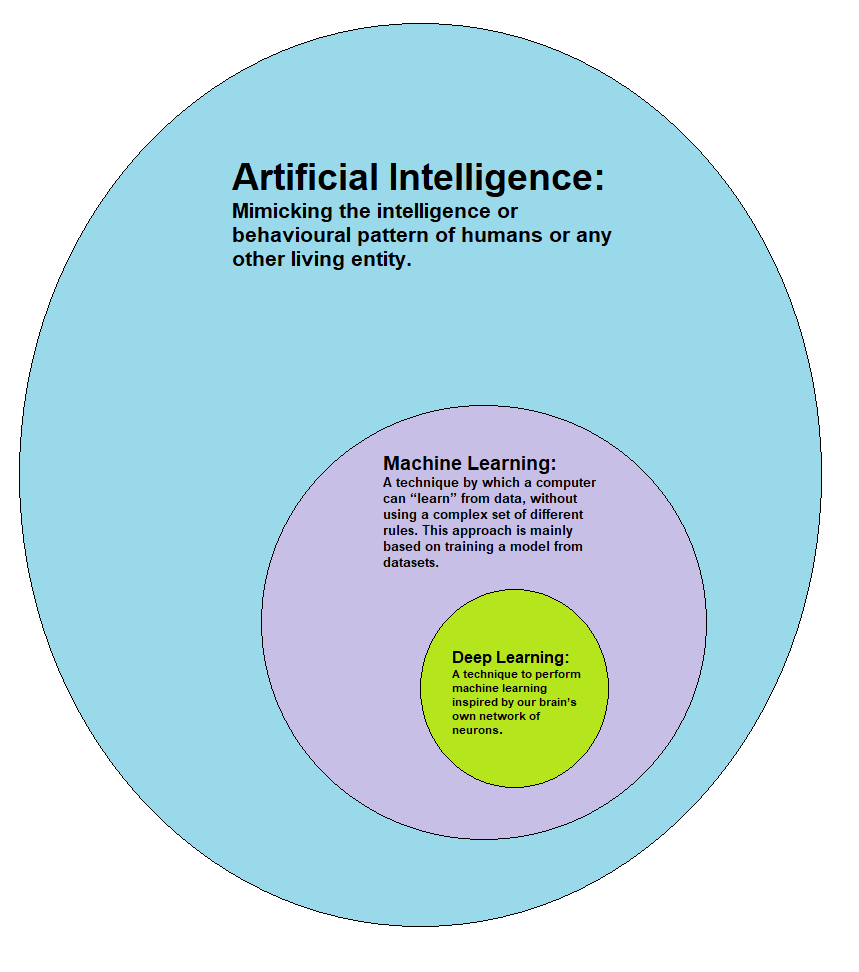
The goal is to build systems that don't just follow instructions but can also analyze information, recognize patterns, and make decisions or predictions. This capability is what allows AI to create new business opportunities and transform existing industries.
The Core Technologies
Three key technologies form the backbone of most modern AI applications. Understanding what they do helps clarify how AI creates value.
Machine Learning
noun
A type of AI that gives computers the ability to learn from data without being explicitly programmed. The system identifies patterns and makes decisions based on the data it's trained on.
Instead of writing step-by-step rules, developers feed a machine learning model vast amounts of data. The model learns the relationships within that data and can then make predictions about new, unseen data. This is the engine behind personalized recommendations, spam filters, and stock market predictions.
Natural Language Processing
noun
A field of AI that focuses on enabling computers to understand, interpret, and generate human language, both text and speech.
NLP, for short, bridges the gap between human communication and computer understanding. It powers everything from language translation apps and voice assistants like Siri and Alexa to tools that analyze customer reviews for sentiment.
Computer Vision
noun
An area of AI that trains computers to interpret and understand information from digital images, videos, and other visual inputs.
If machine learning gives AI a brain, computer vision gives it eyes. This technology allows machines to "see" the world. Beyond autonomous vehicles, it's used for facial recognition to unlock your phone, medical imaging analysis to spot diseases, and in manufacturing to detect product defects on an assembly line.
AI in Action
These technologies aren't just theoretical. They are actively creating value and generating revenue across many sectors. Businesses are using AI to become more efficient, create new products, and better understand their customers.
| Industry | AI Application | Business Opportunity |
|---|---|---|
| Retail | Personalized product recommendations | Increased sales and customer loyalty |
| Healthcare | Analyzing medical scans for diseases | Faster, more accurate diagnoses |
| Finance | Real-time fraud detection | Reduced financial loss and enhanced security |
| Marketing | Automated ad campaign optimization | Higher return on investment for ad spend |
| Agriculture | Crop monitoring with drones | Increased yields and reduced waste |
Each of these applications represents a potential business. A company might specialize in building AI diagnostic tools for hospitals or create a service that helps online stores personalize their marketing. The opportunities arise from solving a specific industry problem more effectively with AI.
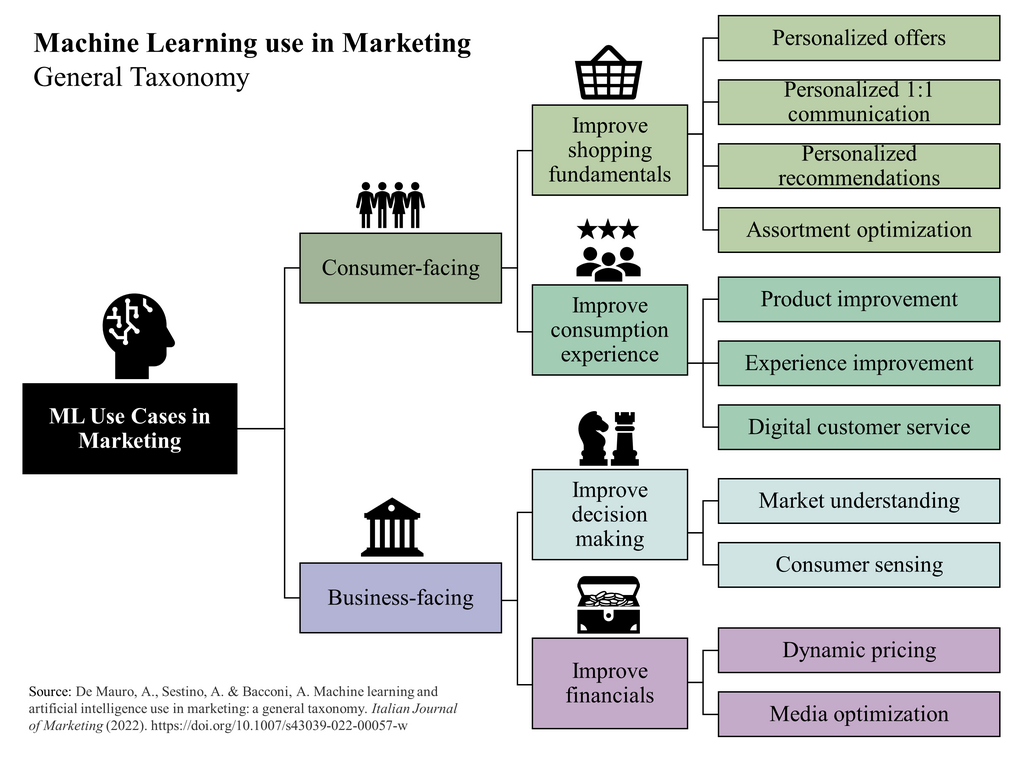
Let's look at a couple of real-world examples.
Case Study: Stitch Fix This online personal styling service uses AI to revolutionize retail. Customers provide their style preferences, size, and budget. Machine learning algorithms then analyze this data, along with feedback from millions of other users, to select clothing items tailored to each individual. A human stylist provides the final touch, but the AI does the heavy lifting of narrowing down a massive inventory to a handful of perfect choices. This creates a highly personalized experience that keeps customers coming back.
Case Study: Freenome A biotech company using AI to detect cancer at its earliest stages through a simple blood test. Their machine learning models are trained to spot the earliest biological signs of cancer from blood samples, making early detection more accessible and less invasive. This has the potential to save lives and transform how we approach cancer screening. The business is built entirely around the power of AI to find subtle patterns in complex biological data.
These companies show that AI isn't just an add-on. It can be the core of a business model, creating new ways to solve old problems and generating significant income in the process.
What is the primary goal of Artificial Intelligence as a field of computer science?
A company develops a system that analyzes thousands of customer reviews to determine the overall positive or negative sentiment. This technology is a primary example of: