Monetizing AI
Introduction to AI
What Is Artificial Intelligence?
Artificial Intelligence, or AI, is the science of making machines that can think and learn like humans. It's a broad field that aims to create systems capable of performing tasks that typically require human intelligence. This includes things like understanding language, recognizing patterns, solving problems, and making decisions.
Artificial Intelligence
noun
The theory and development of computer systems able to perform tasks that normally require human intelligence, such as visual perception, speech recognition, decision-making, and translation between languages.
Think of it this way: a simple calculator can perform complex math, but it only follows pre-programmed rules. It doesn't learn or adapt. An AI system, on the other hand, can analyze data, learn from it, and improve its performance over time. This ability to learn is what makes AI so powerful.
A Brief History of AI
The idea of intelligent machines has been around for centuries, but the modern field of AI officially began in the mid-20th century. Early pioneers believed that a machine could be made to think if human intelligence could be broken down into small, logical steps.
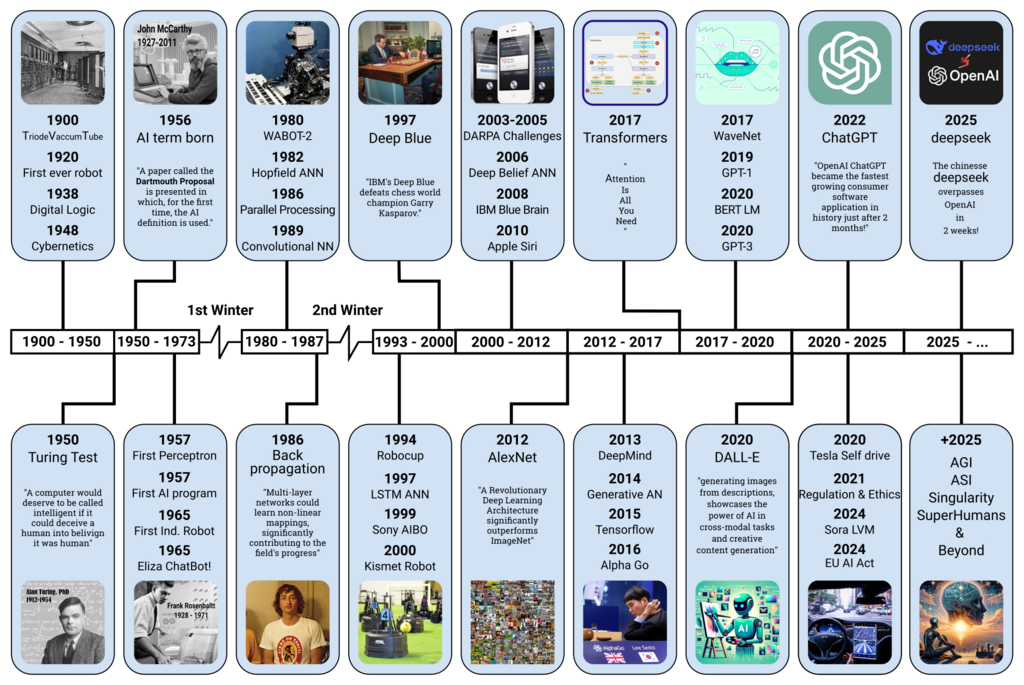
The journey has had its ups and downs. There were periods of great excitement and funding, known as "AI summers," followed by times of disillusionment and budget cuts, called "AI winters." Advances in computing power and the availability of massive amounts of data have recently fueled a new era of rapid progress, bringing AI out of the lab and into our daily lives.
Two Main Types of AI
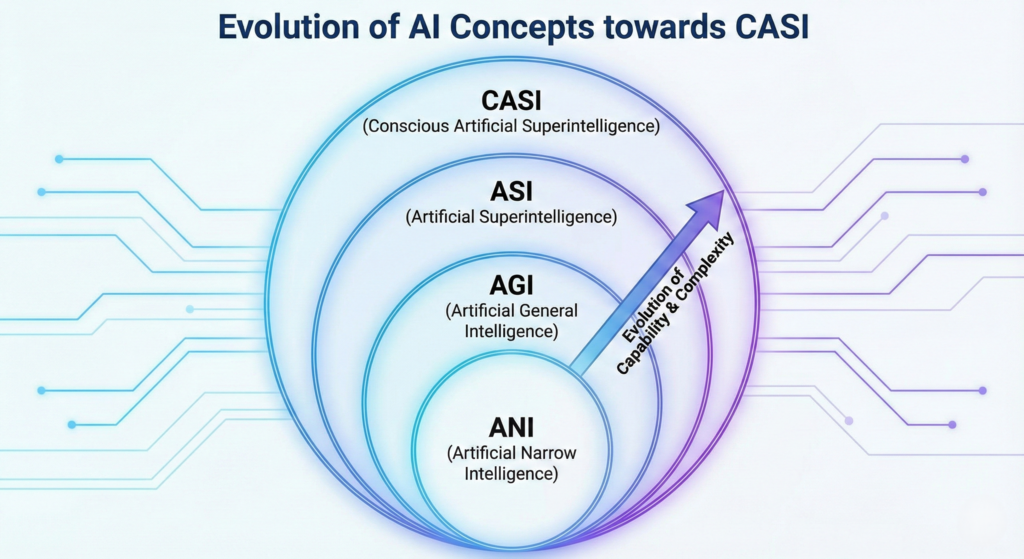
Today, AI is generally categorized into two main types: Artificial Narrow Intelligence (ANI) and Artificial General Intelligence (AGI).
Artificial Narrow Intelligence (ANI) is what we have today. These systems are designed to perform a single specific task. Think of a chatbot, a recommendation engine on a shopping site, or a self-driving car. They can be incredibly good at what they do, sometimes even better than humans, but their skills don't transfer to other areas. The AI that plays chess can't write an email.
Artificial General Intelligence (AGI) is the stuff of science fiction... for now. AGI refers to a machine with the ability to understand, learn, and apply knowledge across a wide range of tasks at a human level. It would possess consciousness and problem-solving skills comparable to our own. Building an AGI is the ultimate goal for many AI researchers, but it remains a monumental challenge.
AI in the Real World
AI is no longer just a futuristic concept; it's a practical tool that's reshaping industries around the world.
- Healthcare: AI helps doctors diagnose diseases earlier and more accurately by analyzing medical images like X-rays and MRIs. It also powers personalized treatment plans.
- Finance: Banks use AI to detect fraudulent transactions in real-time and assess credit risk. Algorithmic trading uses AI to make split-second decisions in the stock market.
- Entertainment: Streaming services use AI to recommend movies and music tailored to your tastes. In video games, AI controls non-player characters, making virtual worlds more realistic.
- Transportation: Self-driving cars use a complex suite of AI systems to perceive their environment, navigate roads, and make driving decisions. AI also optimizes logistics and supply chains, ensuring goods are delivered efficiently.
The Bigger Picture
As AI becomes more integrated into our lives, it raises important questions about its impact on society. Developing and using AI responsibly is one of the biggest challenges of our time.
One major concern is algorithmic bias. If an AI is trained on biased data, it will produce biased results. For example, an AI hiring tool trained on historical data from a male-dominated industry might unfairly favor male candidates. Ensuring fairness is crucial.
Privacy is another key issue. AI systems often require vast amounts of data to function, raising concerns about how personal information is collected, used, and protected. There's also the societal impact on jobs, as AI automates tasks previously done by humans. This shift requires us to think about the future of work and education.

As the deployment of artificial intelligence (AI) is changing many fields and industries, there are concerns about AI systems making decisions and recommendations without adequately considering various ethical aspects, such as accountability, reliability, transparency, explainability, contestability, privacy, and fairness.
Navigating these challenges requires careful thought, regulation, and a commitment to building AI systems that are safe, fair, and beneficial for everyone.
Let's review what you've learned with a quick quiz.
What is the primary goal of Artificial Intelligence?
What key ability distinguishes an AI system from a simple calculator?
Understanding these core concepts is the first step in navigating the complex and fascinating world of artificial intelligence.