Monetize Your Social Media Presence
Understanding TikTok
What Is TikTok?
At its core, TikTok is a social media platform built around short-form videos. Unlike platforms that focus on text updates or static photos, TikTok is all about dynamic, engaging video content, typically set to music or popular audio clips. Users can create and share videos ranging from a few seconds to several minutes in length.
Originally launched in 2016 by the Chinese tech company ByteDance, TikTok quickly became a global phenomenon. Its format encourages creativity, humor, and authenticity, leading to a unique culture of trends, challenges, and viral content that can emerge overnight.
Who Uses TikTok?
While TikTok initially gained popularity with a younger, Gen Z audience, its user base has expanded dramatically. Today, it's a diverse global community with users of all ages, backgrounds, and interests. This broad audience means there's a niche for nearly every type of content, from cooking and comedy to financial advice and historical deep dives.
User behavior on TikTok is fast-paced and highly interactive. The primary way people consume content is through the "For You" page, an endless, algorithmically curated stream of videos. This encourages rapid scrolling and quick judgments, meaning creators have only a few seconds to grab a viewer's attention. Users don't just watch; they participate by creating their own versions of trends, using popular sounds, and engaging directly with creators through comments and duets.
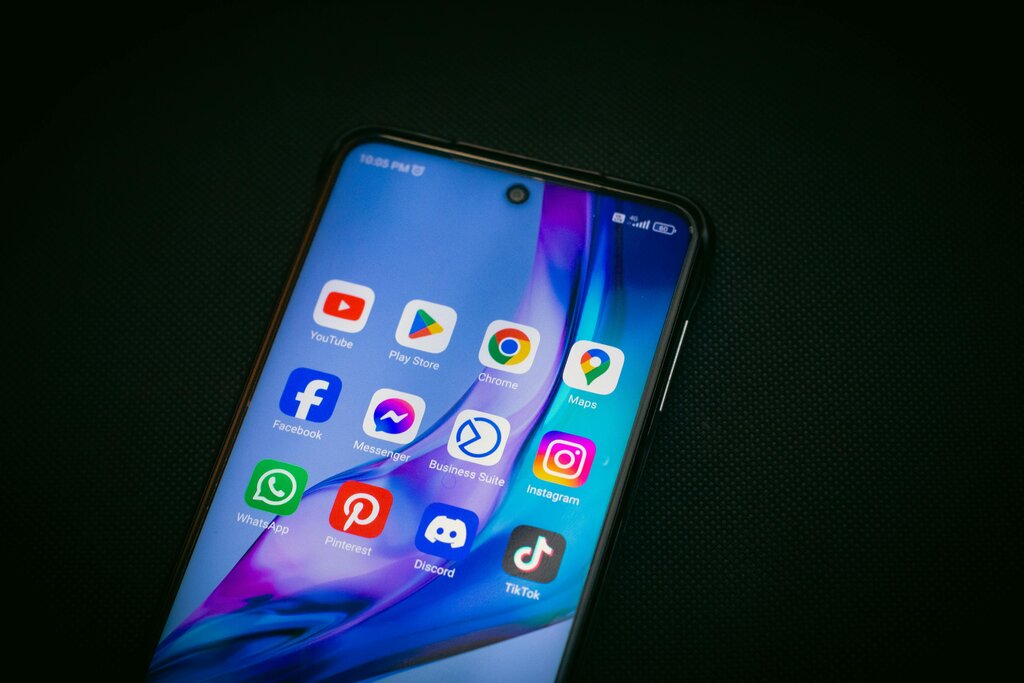
The Secret Sauce: The Algorithm
TikTok's success is largely due to its powerful recommendation algorithm. This system is designed to quickly learn what you like and show you more of it. Unlike other platforms that heavily prioritize content from accounts you already follow, TikTok's "For You" page is all about discovery.
The algorithm tracks various signals to personalize your feed. These include:
- User Interactions: Videos you like, share, comment on, or follow an account after watching.
- Video Information: Details like captions, sounds, and hashtags.
- Device and Account Settings: Things like your language preference, country setting, and device type.
One of the most important factors is completion rate—whether you watch a video all the way through. This is why short, captivating videos tend to perform so well.
On TikTok, you don't need a huge following to go viral. The algorithm gives every video a chance to be seen, prioritizing engaging content over the creator's popularity.
Content That Wins
The content on TikTok is incredibly varied, but some formats consistently perform well. Trends are the lifeblood of the platform. These can be dance challenges, lip-sync videos using a specific sound clip, or formats that use a particular filter or effect.
Authenticity is key. Highly polished, corporate-style content often struggles to connect with the audience. Users prefer videos that feel genuine, relatable, and human. This has opened the door for everyone from small business owners to experts in niche fields to build a following.
Some popular content categories include:
- Entertainment: Comedy skits, dance routines, and viral challenges.
- Education: Quick tutorials, life hacks, and explainers on complex topics (often tagged #LearnOnTikTok).
- DIY & Crafts: How-to guides for everything from home improvement to art projects.
- Storytelling: Personal anecdotes, vlogs, and narrative-driven clips.
Now that you have a better understanding of the platform, let's test your knowledge.
What is the primary driver of content discovery for most users on TikTok?
True or False: According to the platform's culture, highly polished, corporate-style content generally performs better than authentic, relatable videos.
Understanding TikTok's unique algorithm and content culture is the first step. By recognizing what makes the platform tick, creators can better position themselves for success.