Monetize Your Social Media Presence
Understanding Social Media Monetization
From Hobby to Hustle
Creating content on social media can be more than just a fun pastime. For many, it's a viable career path. Monetization is the process of turning your online presence into a source of income. Platforms like TikTok have created entire ecosystems where creators can earn money from their videos.
This isn't just for celebrities with millions of followers. With the right strategy, creators at various levels can generate revenue. The key is to move from simply posting content to building a business around your creative work. It starts with understanding the different ways you can get paid.
Ways to Earn
Once you've started building an audience, two of the most common paths to monetization are brand sponsorships and affiliate marketing. While they might sound similar, they work in different ways.
Brand Sponsorship
noun
A partnership where a company pays a creator to promote its products or services to their audience. This can be a one-time post or a longer-term campaign.
Think of a brand sponsorship like a modern-day commercial, but more personal. A brand might pay you to create a TikTok video featuring their new headphones or talking about their app. The goal for the brand is to tap into the trust you've built with your followers. They're paying for your endorsement and your reach.
Affiliate marketing is a bit different. Instead of a flat fee, you earn a commission. A company gives you a unique trackable link or a special discount code. You then share this link or code with your audience. When someone makes a purchase using your link, you get a percentage of the sale. It’s a performance-based model: the more sales you drive, the more you earn.
TikTok affiliate marketing is a performance-driven approach to influencer marketing where brands and creators team up to promote products using trackable links or TikTok Shop integrations.
The Foundation for Success
Earning money isn't just about the number of followers you have. It's about building a strong personal brand and deeply understanding who your audience is. Brands don't just look for big accounts; they look for the right accounts.
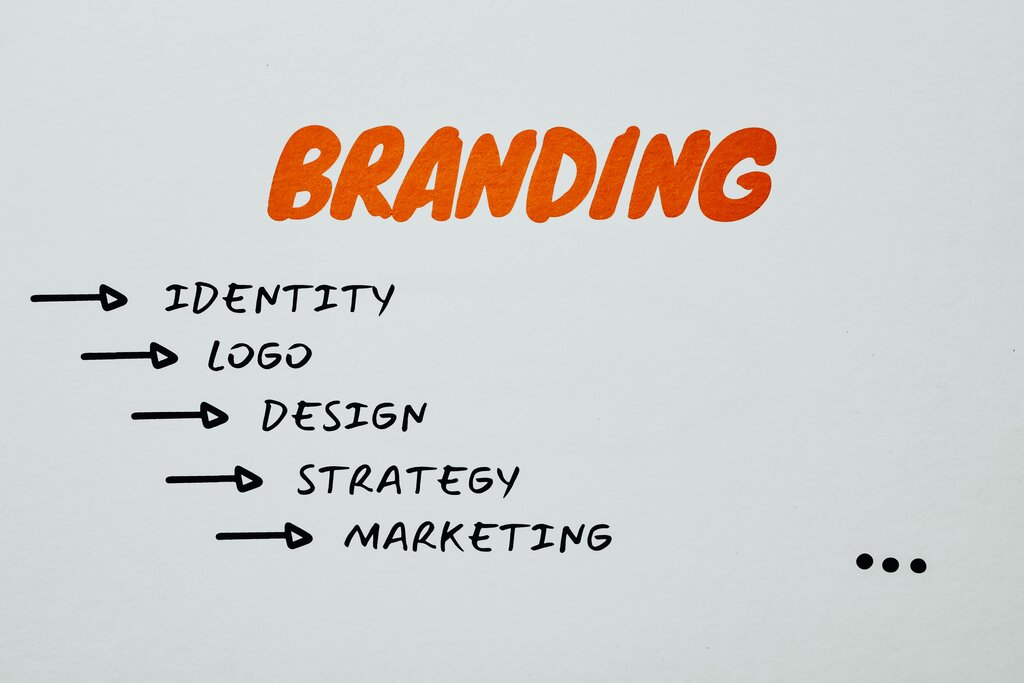
Your personal brand is your identity as a creator. It’s what you're known for, your style, your voice, and the topics you cover. A consistent brand makes you recognizable and helps you attract a dedicated community. Brands want to partner with creators whose identity aligns with their own values and image. If you're known for your expert cooking tutorials, a kitchenware company is more likely to see you as a perfect fit.
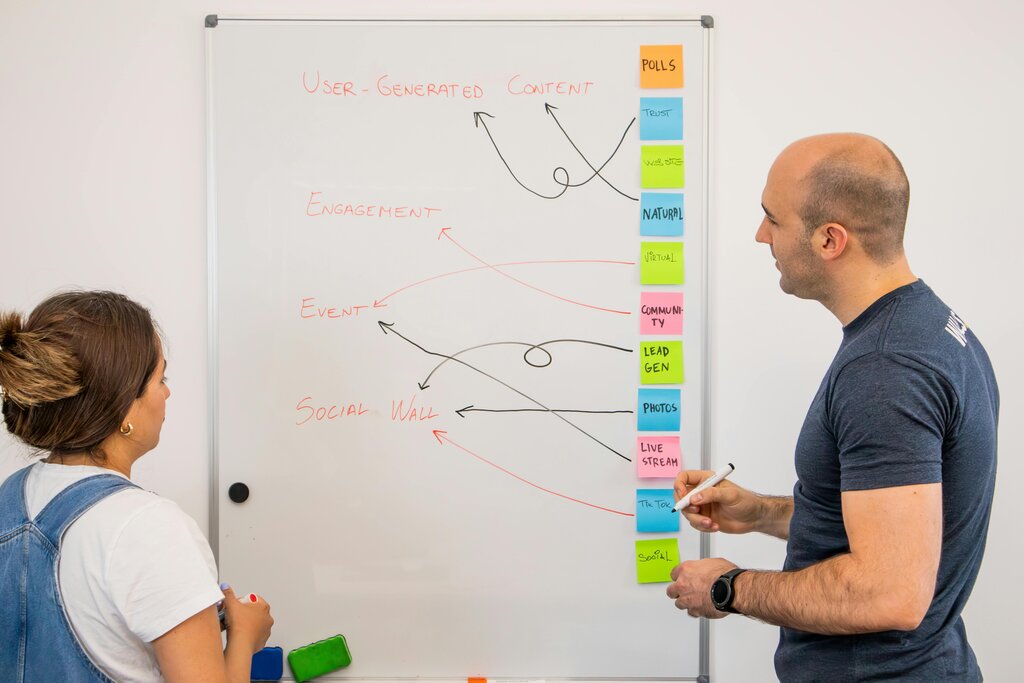
Just as important is knowing your audience demographics. This includes data like their age, location, and interests. Why does this matter? Because brands need to be sure their message is reaching their target customers. If a company sells skateboards to teenagers, they won't sponsor a creator whose audience is primarily retirees interested in gardening.
Most social media platforms, including TikTok, provide analytics tools. These tools give you valuable insights into who is watching your content, helping you tailor your videos and providing you with the data you need to pitch to potential partners.
Before you can effectively monetize, you must know who your audience is and how they engage with your content.
To help creators navigate this world, TikTok has its own resource center. The TikTok Creator Portal is an online hub full of articles, videos, and best practices. It offers guidance on everything from content strategy to understanding the platform's features. It's a great starting point for anyone serious about growing their account and exploring monetization options.
Ready to check your understanding?
A creator is paid a percentage of every sale made through a unique link they share in their video description. What type of monetization is this?
Why is it crucial for a creator to know their audience's demographics when seeking brand deals?
Building a successful presence on social media takes time and effort, but understanding these core concepts is the first step toward turning your passion into a profession.