Monetize Your Game
Introduction to Game Monetization
How Games Make Money
Have you ever wondered how a free game on your phone can be a billion-dollar business? The answer is game monetization, which is simply the process of generating revenue from a video game. Without a way to make money, game studios couldn't afford to create the vast, immersive worlds we love to explore.
Monetization
noun
The process of converting an asset or business into cash or revenue.
Monetization is the financial engine of the gaming industry. It pays for developers, artists, writers, and servers. A successful strategy ensures a game's long-term survival, allowing for updates, new content, and sequels. But it's a delicate balance. The best monetization methods feel fair to the player and don't disrupt the fun of the game.
From Boxed Copies to Digital Economies
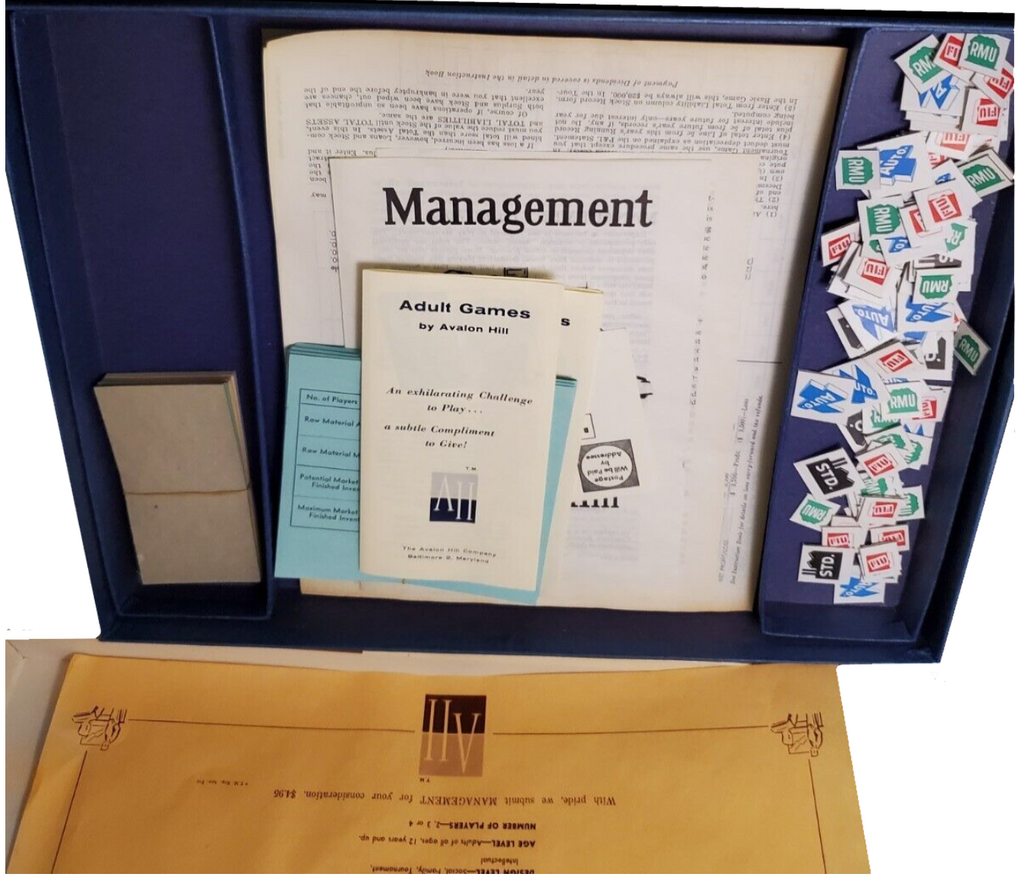
The way games make money has changed dramatically over the years. In the early days of gaming, the model was simple: you went to a store, bought a physical box containing a cartridge or disc, and paid a one-time price. This is known as the premium model. You pay once to own and play the game forever.
While the premium model still exists, especially for big-budget console and PC games, the rise of the internet and mobile gaming introduced new possibilities. Game developers realized they could offer games for free to attract a massive audience and then generate revenue in other ways. This led to the explosion of the "free-to-play" market.
This growth was due in large part to a shift in monetization strategies: rather than charging players an upfront cost ("pay-to-play"), games often request optional microtransactions throughout gameplay ("free-to-play").
This shift created a whole new set of strategies for game developers to consider.
Core Monetization Models
Today's games typically use one or a combination of three main monetization models. Understanding them is key to understanding the modern gaming landscape.
In-Game Purchases (Microtransactions) This model is the powerhouse of free-to-play games. The game itself is free to download and play, but players can purchase digital items or currency. These purchases can be for cosmetic items (like character outfits), functional advantages (like power-ups), or ways to speed up progress (like skipping wait times).
Advertising In this model, developers earn money by showing ads to players. This can take several forms:
- Banner Ads: Static ads that appear at the top or bottom of the screen.
- Interstitial Ads: Full-screen ads that appear between levels or during pauses.
- Rewarded Video Ads: Players can voluntarily watch an ad in exchange for a small in-game reward, like extra lives or currency.
Premium Model This is the traditional model we discussed earlier. The player pays a single upfront price for the full game. Sometimes, premium games will also sell optional expansions or downloadable content (DLC) later on, which adds new levels, stories, or features to the original game.
Many successful games blend these models. A free-to-play game might use both in-game purchases and rewarded video ads to create multiple revenue streams.
Now that you know the basics of how games are monetized, let's test your knowledge.
What is the primary purpose of game monetization?
A game is free to download, but you can pay real money for special character outfits that don't affect gameplay. This is an example of which monetization model?
Understanding these models is the first step in analyzing how the business of video games works. It's a constantly evolving field where developers are always looking for new ways to fund their projects while keeping players happy.