Monetary Policy Fundamentals
Introduction to Monetary Policy
What is Monetary Policy?
Think of an economy as a large, complex engine. For it to run smoothly, it needs careful management. Too much fuel, and it might overheat. Too little, and it could stall. Monetary policy is the set of tools used to keep this economic engine running at just the right speed.
The Fed’s primary job is to maintain a healthy and stable economy by controlling monetary policy.
At its core, monetary policy involves managing the amount of money circulating in an economy and influencing the cost of borrowing that money, which we know as interest rates. It's conducted by a nation's central bank. By making adjustments, the central bank can either encourage or slow down economic activity to steer the economy toward its goals.
The Goals of Monetary Policy
So, what is the central bank aiming for? While specific goals can vary by country, most central banks focus on two key objectives: keeping prices stable and achieving maximum employment. In the United States, this is often called the "dual mandate."
The Fed has a dual mandate to implement monetary policy that achieves both maximum employment and stable prices.
Price stability means keeping inflation under control. When prices for goods and services rise too quickly, the value of your money decreases. It becomes harder for families and businesses to plan for the future. Stable prices create a predictable environment where the economy can thrive.
Maximum employment means that everyone who wants a job can find one. It doesn't mean zero unemployment—there will always be some people between jobs. Instead, the goal is to have a strong and healthy job market where unemployment is as low as possible without triggering high inflation.
These two goals can sometimes be in conflict. Cooling down inflation might slow the economy and cost jobs, while boosting employment could risk higher prices. Monetary policy is a constant balancing act.
The Central Bank's Role
The institution responsible for this balancing act is the central bank. In the United States, it's the Federal Reserve, often called "the Fed." In other countries, it might be the Bank of England, the European Central Bank, or the Bank of Japan. These institutions are the stewards of a nation's money supply and financial system.
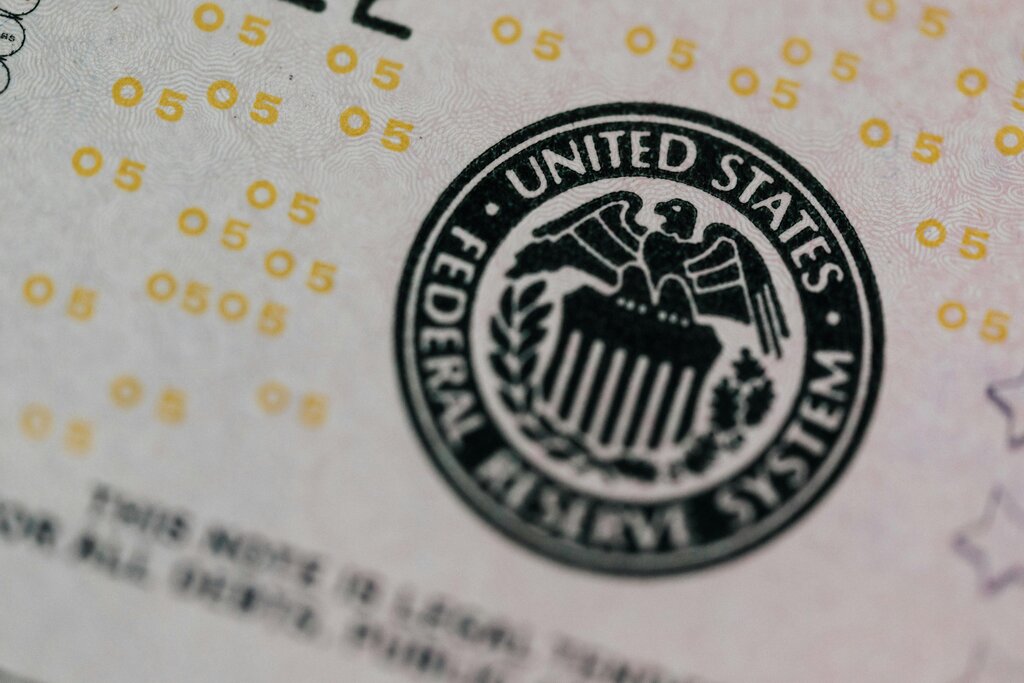
Central bankers are economists and financial experts who analyze vast amounts of data to understand the health of the economy. They look at indicators like the inflation rate, the unemployment rate, and economic growth. Based on this analysis, they make decisions about monetary policy to guide the economy toward its goals.
Why Independence Matters
For a central bank to be effective, it needs to be independent. This means its decisions on monetary policy should be shielded from short-term political pressures. Politicians might be tempted to push for policies that create a short-term economic boom, especially around election time, even if those policies would lead to high inflation or instability down the road.
An independent central bank can focus on the long-term health of the economy. It can make unpopular decisions, like raising interest rates to fight inflation, without fear of being overruled by politicians seeking a quick fix. This long-term perspective is crucial for maintaining economic stability and public trust.
What are the two primary goals of monetary policy in the United States, often referred to as the 'dual mandate'?
Why is the independence of a central bank considered crucial for a healthy economy?
Monetary policy is a powerful lever for influencing a country's economic destiny. By aiming for stable prices and full employment, central banks play a critical role in fostering an environment where businesses and people can prosper.