Molecular Docking Explained
Introduction to Molecular Docking
What Is Molecular Docking?
At its core, molecular docking is a computational method that predicts how two molecules will bind together. Think of it like a key (a small molecule, or ligand) fitting into a lock (a large protein, or receptor). The goal is to find the best possible fit, or "pose," where the ligand binds most strongly and stably to the receptor's active site.
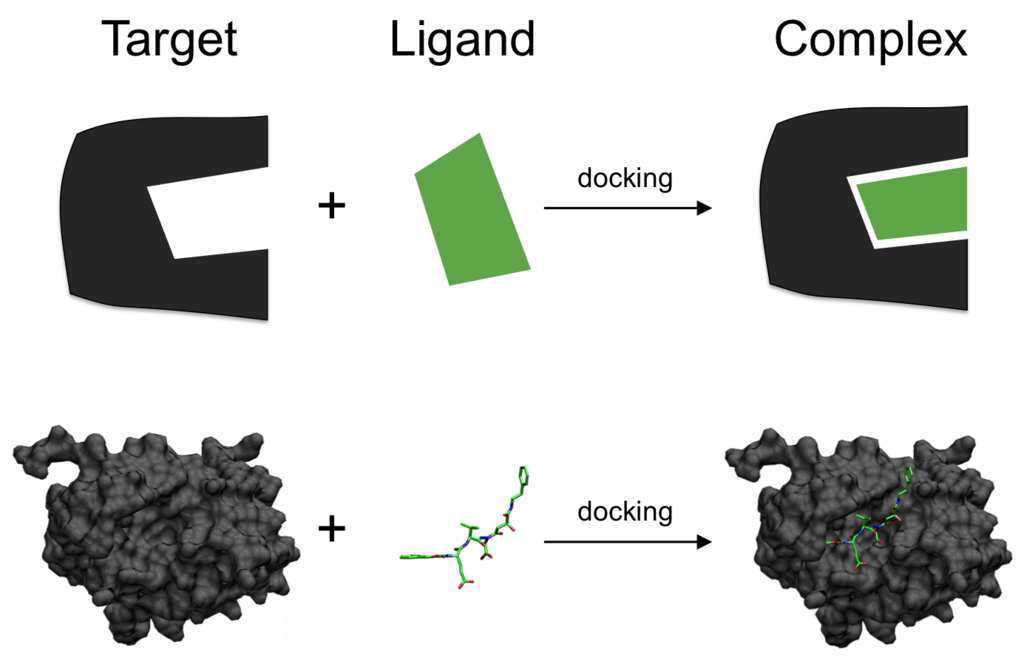
Scientists use 3D models of these molecules and let a computer program figure out the optimal orientation. This simulation helps us understand and visualize molecular interactions at an atomic level, which is crucial for designing new drugs.
Why Docking Matters
Drug discovery is a long and expensive process. Before molecular docking became widespread, researchers had to physically synthesize and test thousands of compounds in a lab to find just one that might work. This was a slow, resource-intensive approach.
Molecular docking revolutionizes this early stage, known as lead discovery. By using computers to screen vast digital libraries of compounds, scientists can quickly identify the most promising candidates for a specific protein target. It's a powerful filter that narrows down a massive pool of potential drugs to a manageable few.
This virtual screening allows researchers to test thousands of potential drugs on a computer before ever stepping into a lab, saving enormous amounts of time and money.
The results help prioritize which molecules are worth synthesizing and testing in real-world biological experiments. While it doesn't replace lab work, it makes the entire process much more efficient and targeted.
The Docking Process
A typical molecular docking experiment follows a clear, logical workflow. It can be broken down into three main stages: preparation, docking, and analysis.
1. Preparation Before the simulation can begin, you need accurate 3D structures of both the ligand and the receptor. These structures often come from experimental databases but usually require some cleanup. This step involves removing unnecessary molecules (like water), adding hydrogen atoms, and ensuring the structures are chemically correct and ready for the simulation.
2. Docking & Scoring This is where the magic happens. A search algorithm explores a huge number of possible orientations, or poses, of the ligand within the receptor's binding site. It twists and turns the ligand, trying to find the most favorable positions.
For each pose, a scoring function calculates a score, which is an estimate of the binding affinity. A lower score typically indicates a more stable and stronger interaction. The program's goal is to find the pose with the best possible score.
3. Analysis The final step is to interpret the results. The docking program provides a list of the top-ranked poses for the ligand. A scientist then examines these poses, looking at the specific atomic interactions, like hydrogen bonds, that hold the ligand in place. This analysis helps determine if the predicted binding mode is chemically reasonable and if the compound is a strong candidate for further study.
Now's a great time to review the key terms we've just covered.
Ready to check your understanding?
In the context of molecular docking, what is the 'ligand'?
What is the primary purpose of the 'scoring function' in the docking stage?
By predicting how molecules interact, docking provides invaluable insights that accelerate the journey from a biological target to a potential new medicine.