Molecular Communication Processes for Agentic Workflows
Introduction to Molecular Communication
The Language of Cells
Your body is made of trillions of cells, and they are constantly talking to each other. But they don't use words or sounds. They communicate using molecules. This intricate system of sending and receiving molecular messages is called molecular communication.
Think of it like a massive, microscopic postal service. A cell sends out a chemical package with specific instructions. This package travels to another cell, which receives it and carries out the command. This process allows cells to coordinate their actions, enabling everything from muscle movement to wound healing.
The Messengers
The molecules that act as signals are called ligands. A ligand is any molecule that binds specifically to another molecule, in this case, a receptor protein. They come in many forms and can travel short or long distances to deliver their messages.
Ligand
noun
A molecule that binds to another (usually larger) molecule to serve as a signal.
Some common types of ligands include:
- Hormones: These are long-distance messengers. For example, the adrenal gland releases adrenaline (a hormone ligand) into the bloodstream, which tells heart cells to beat faster.
- Neurotransmitters: These are used for short-range communication between nerve cells. They jump across a tiny gap, called a synapse, to pass a signal from one neuron to the next.
- Cytokines: These are key communication molecules of the immune system, helping to coordinate the body's response to infection.
Receiving the Signal
A signal is useless if no one is there to receive it. For a cell to get a message, it must have a receptor that the ligand can bind to. Receptors are proteins, usually found on the cell's surface or inside the cell.
The interaction between a ligand and its receptor is highly specific, like a key fitting into a lock. A particular ligand (the key) will only bind to its specific receptor (the lock).
This specificity is crucial. It ensures that messages are delivered only to the cells that are meant to receive them. A liver cell, for instance, won't respond to a signal meant for a muscle cell because it doesn't have the right receptor.
Receptor
noun
A protein molecule that receives chemical signals from outside a cell. When a signal binds to a receptor, it causes some form of cellular/tissue response.
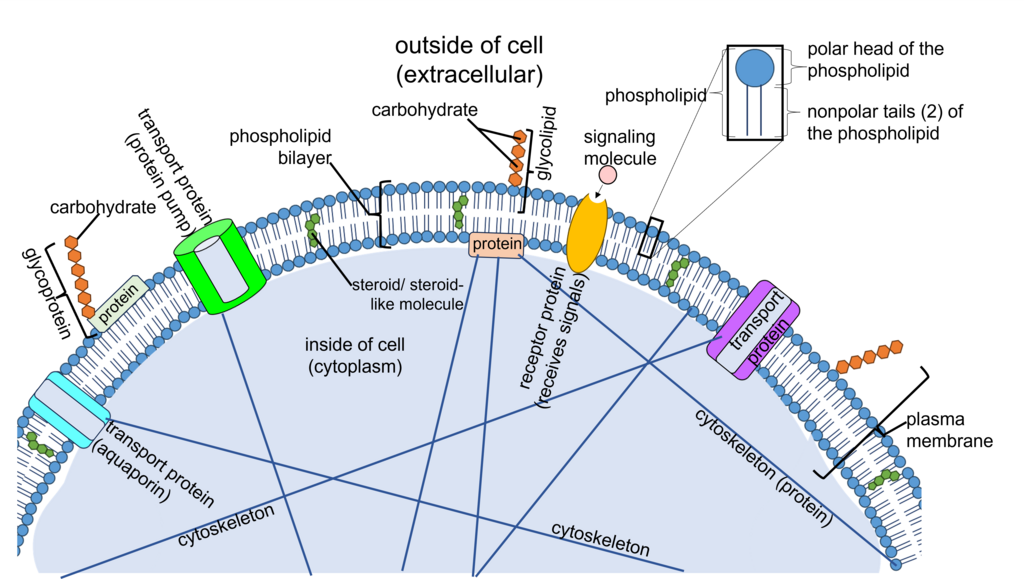
Receptors can be located in different parts of the cell. Many are embedded in the cell membrane, with part of their structure facing the outside to catch ligands. Others are located inside the cell, in the cytoplasm or nucleus. These intracellular receptors bind to ligands that are small enough to pass through the cell membrane.
The Message Relay
When a ligand binds to a receptor, it's like a doorbell ringing. The binding event triggers a change in the receptor, which in turn sets off a chain reaction inside the cell. This sequence of events is called a signaling pathway or a signal transduction cascade.
Imagine a line of dominoes. The ligand binding is the first domino to fall. It knocks over the next one (another molecule inside the cell), which knocks over the next, and so on. Each step in the pathway relays the signal and often amplifies it, until the final domino falls—causing a specific cellular response. This could be anything from activating a gene to contracting a muscle.
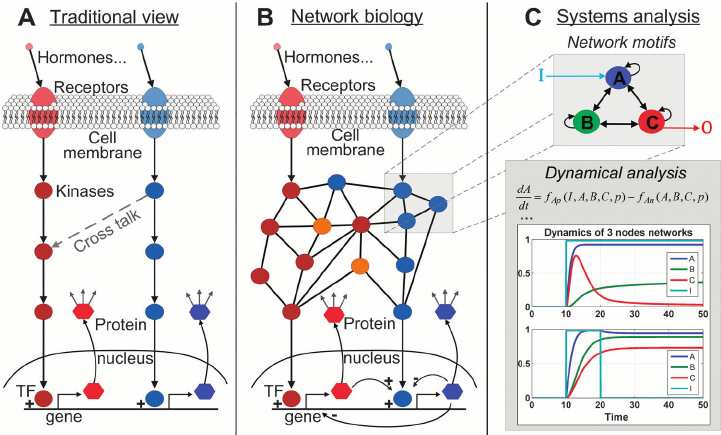
This entire system—ligands, receptors, and signaling pathways—forms the basis of molecular communication. It's how the cells in your body work together in a coordinated symphony.
Ready to check your understanding?
What is the general term for a molecule that binds to a specific receptor to initiate a signal?
A liver cell and a muscle cell can respond differently to the same hormone because they have different ________.
This constant molecular chatter is fundamental to life, ensuring that every cell knows its role and can respond to the ever-changing environment around it.