Mold Toxicity Explained
Introduction to Mold
What is Mold?
Mold is a type of fungus, a kingdom of life separate from plants and animals. Unlike plants, molds don't get energy from the sun. Instead, they are nature's recyclers, breaking down dead organic matter. Think of the fuzzy spots on old bread or the dark patches in a damp corner — that's mold at work.
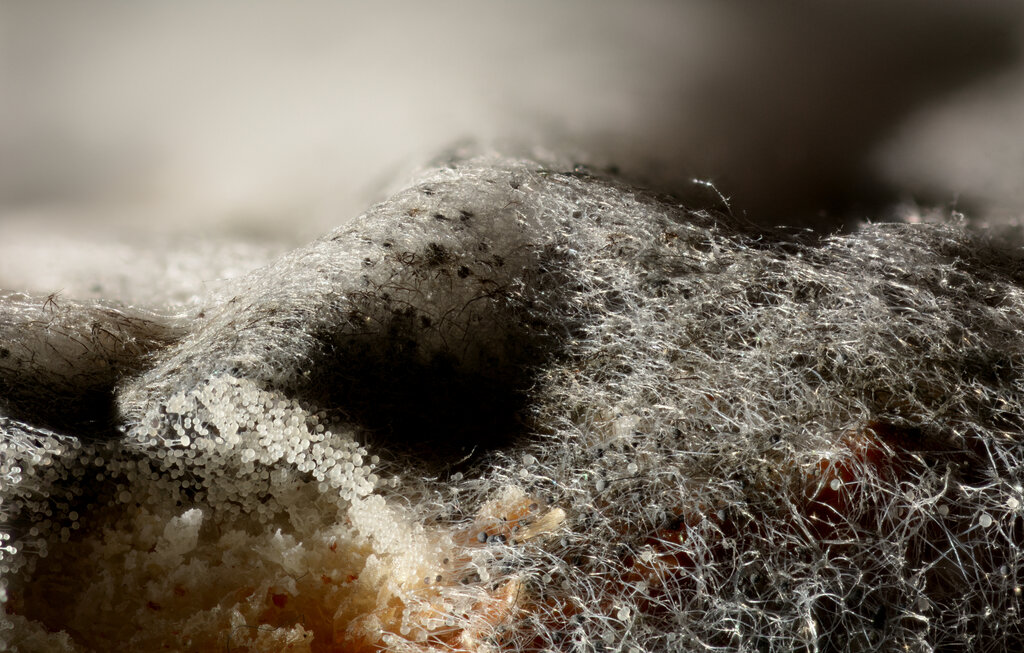
At a microscopic level, molds are made of tiny, thread-like structures called hyphae. As these hyphae grow, they weave together to form a visible mass called a mycelium. This is the part of the mold you can see. Molds reproduce by releasing spores, which are tiny, lightweight particles that travel through the air. When these spores land on a suitable surface, they can start growing a new mold colony.
Hyphae
noun
The branching, thread-like filaments that make up the body of a fungus.
Common Molds You Might Meet
There are thousands of types of mold, but you're most likely to encounter a few common varieties in and around your home. Each has its own characteristics and preferred living conditions.
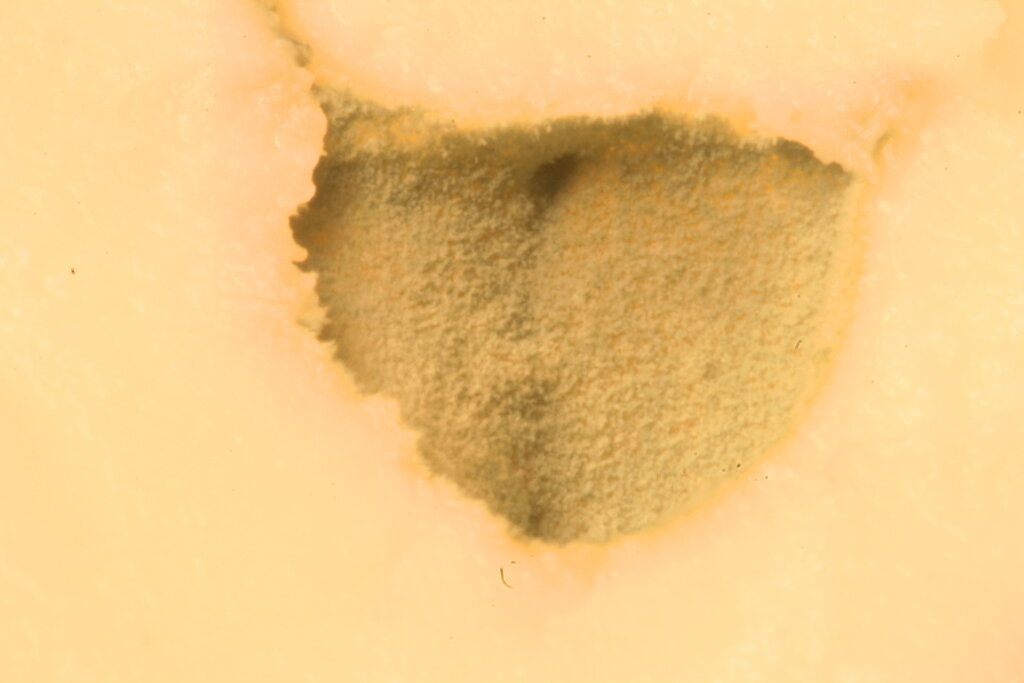
Penicillium is famous for giving us the antibiotic penicillin and the distinct flavor in blue cheese. However, it's also a common indoor mold, often appearing as blue or green fuzzy patches.
Cladosporium is frequently found both indoors and outdoors. It's the black or olive-green mold you might see on the leaves of a plant or on a damp window frame.
Aspergillus is another very common mold, found in the air we breathe every day. While usually harmless, it can grow on dusty surfaces, in building materials, and on food items.
Finally, there's Stachybotrys chartarum, often called "black mold." This greenish-black mold is less common, but has a slimy texture and requires constant moisture to grow. It thrives on materials with high cellulose content, like drywall, wood, and paper.
| Mold Type | Common Appearance | Often Found On... |
|---|---|---|
| Penicillium | Bluish-green, fuzzy | Food, damp materials, insulation |
| Cladosporium | Olive-green or brown | Plants, textiles, wood surfaces |
| Aspergillus | Varies (green, yellow, black) | Dust, starchy foods, drywall |
| Stachybotrys | Greenish-black, slimy | Wet drywall, paper, ceiling tiles |
Where Mold Likes to Grow
Mold spores are virtually everywhere, floating in the air, waiting for the right conditions to settle and grow. To thrive, mold needs three key ingredients: moisture, a food source, and a suitable temperature.
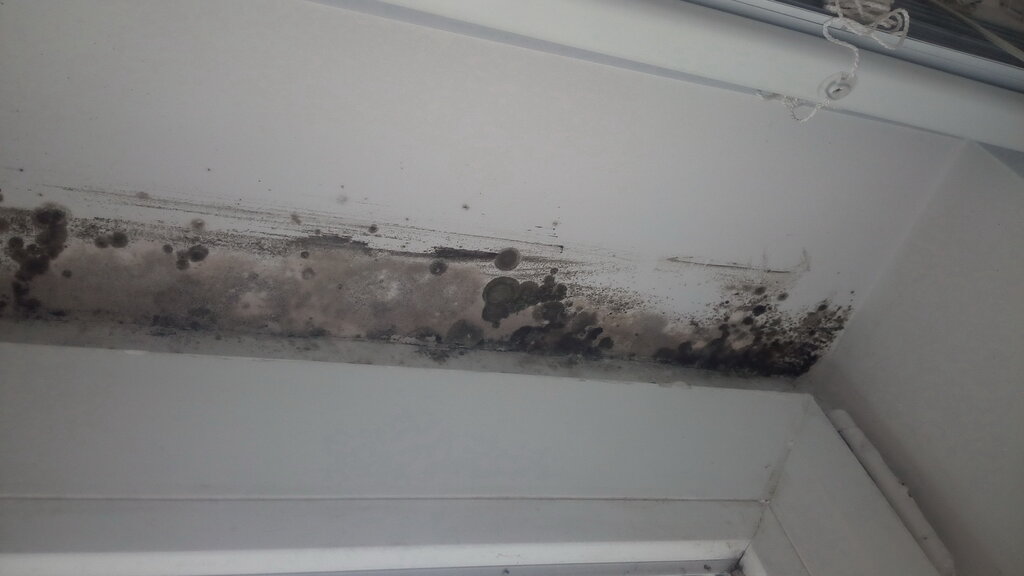
The single most important factor is moisture. Without it, mold can't grow. This is why you often find mold in places prone to dampness, like bathrooms, basements, and areas with leaks. High humidity can also provide enough moisture for mold to flourish.
Next, mold needs food. Luckily for mold, many common household materials are on the menu. It feasts on organic, carbon-rich substances like wood, paper, cardboard, drywall, fabric, and even the organic matter in dust.
Finally, mold needs the right temperature. Most molds prefer temperatures similar to what humans find comfortable, typically between 60 and 80 degrees Fahrenheit (15 to 27 degrees Celsius). This is why homes provide such an ideal breeding ground.
Control moisture, and you control mold. Leaky pipes, poor ventilation, and condensation are mold's best friends.
Ready to review what we've covered?
Now let's test your knowledge.
What are the tiny, thread-like structures that make up a mold colony called?
Which of these is the single most critical ingredient for mold to grow?
Understanding what mold is and where it comes from is the first step. By recognizing the conditions that allow it to grow, you can better manage your environment.