Modular Wellness Wearable Electronics
Introduction to Wearable Electronics
More Than Just Gadgets
Wearable electronics are small, smart devices worn on the body. They're designed to collect data, provide feedback, and connect to other devices, like your smartphone. While they can do many things, their biggest impact is in health and wellness.
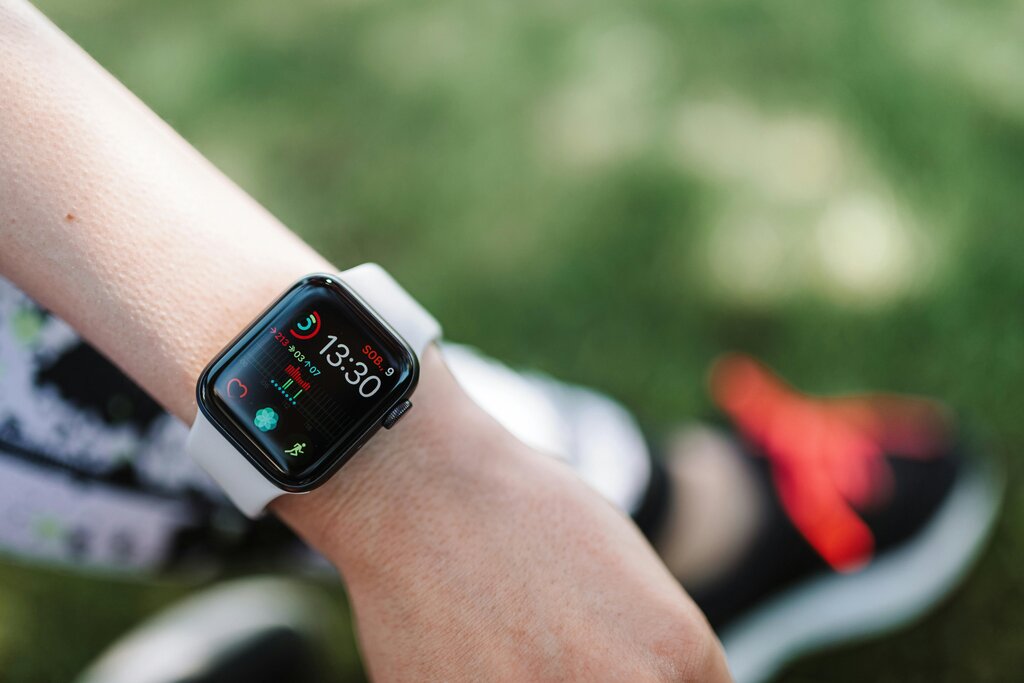
Think of fitness trackers that count your steps and monitor your sleep, or smartwatches that measure your heart rate. Some wearables go even further, offering continuous glucose monitoring for people with diabetes or tracking vital signs for patients at home. These devices are transforming personal health by making it possible to track our bodies' signals in real-time, giving us a clearer picture of our overall well-being.
The goal of a wearable isn't just to be a piece of technology, but a seamless part of your daily life, offering helpful insights without being a burden.
Inside the Device
Every wearable, no matter its purpose, is built around three core components: sensors, a power source, and a way to communicate.
Sensor
noun
A device that detects or measures a physical property and records, indicates, or otherwise responds to it.
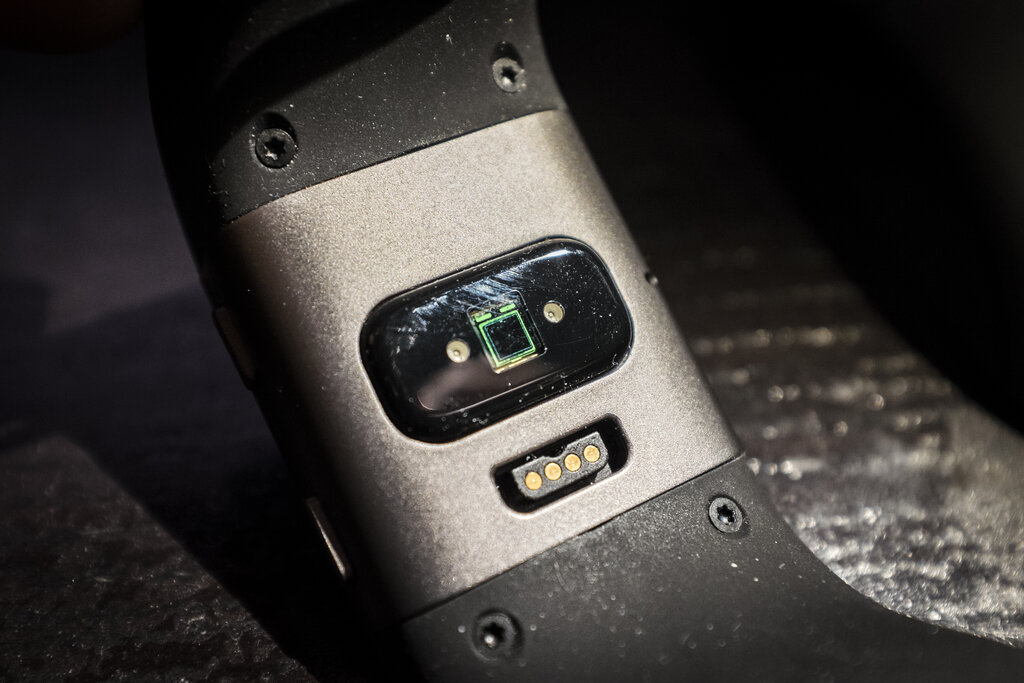
Sensors are the eyes and ears of the device. They're what collect the data from your body. A common example is the optical heart rate sensor found on the back of most smartwatches. It uses green LED lights to detect the pulse of blood flowing through your wrist. Other common sensors include accelerometers, which track movement for step counting, and gyroscopes, which measure orientation.
Next is power management. A wearable is only useful if it's turned on, so it needs an efficient power source. This usually means a tiny, rechargeable lithium-ion battery. The entire device, from the processor to the sensors, must be designed to sip power, not gulp it. The goal is to maximize battery life so the user doesn't have to charge it constantly.
Finally, there are communication modules. The data a wearable collects isn't very useful if it stays on the device. Communication modules, typically using Bluetooth, send this information wirelessly to your smartphone. This allows you to view your health data in an app, track trends over time, and share it with a doctor or coach.
The Design Challenge
Creating a great wearable involves a delicate balancing act. Designers face unique constraints that don't apply to other electronics like laptops or TVs.
| Consideration | Challenge |
|---|---|
| Size | Components must be miniaturized to fit into a small, lightweight form that doesn't feel bulky. |
| Power Efficiency | The device needs to run for days, not hours, on a tiny battery. Every component's power usage is scrutinized. |
| User Comfort | It will be worn against the skin, so materials must be non-irritating, durable, and comfortable for long-term wear. |
| Durability | Wearables are exposed to sweat, rain, bumps, and scrapes. They need to be tough enough for daily life. |
Balancing these factors is key. A device with incredible features is useless if it's too heavy, dies in a few hours, or gives you a rash. This is why the design of a wearable is just as important as its technology.
In the rapidly evolving landscape of modern healthcare, the integration of wearable & portable technology provides a unique opportunity for personalized health monitoring in the community.
Current trends reflect this focus on the user. We're seeing devices become less obtrusive and more integrated. Smart rings track sleep and activity from your finger, and smart clothing with woven-in sensors can monitor your posture or breathing. The future of wearables is about providing powerful health insights from devices that are so comfortable and discreet, you forget you're even wearing them.
What are the three core components common to all wearable electronic devices?
How do the optical heart rate sensors commonly found in smartwatches work?