Modern Wine Exploration
Introduction to Wine
What is in Your Glass?
At its heart, wine is simple: it's fermented grape juice. Yeast, a tiny microorganism, consumes the natural sugars in grapes and converts them into alcohol and carbon dioxide. That's the basic magic that turns a humble fruit into the complex drink we know as wine.
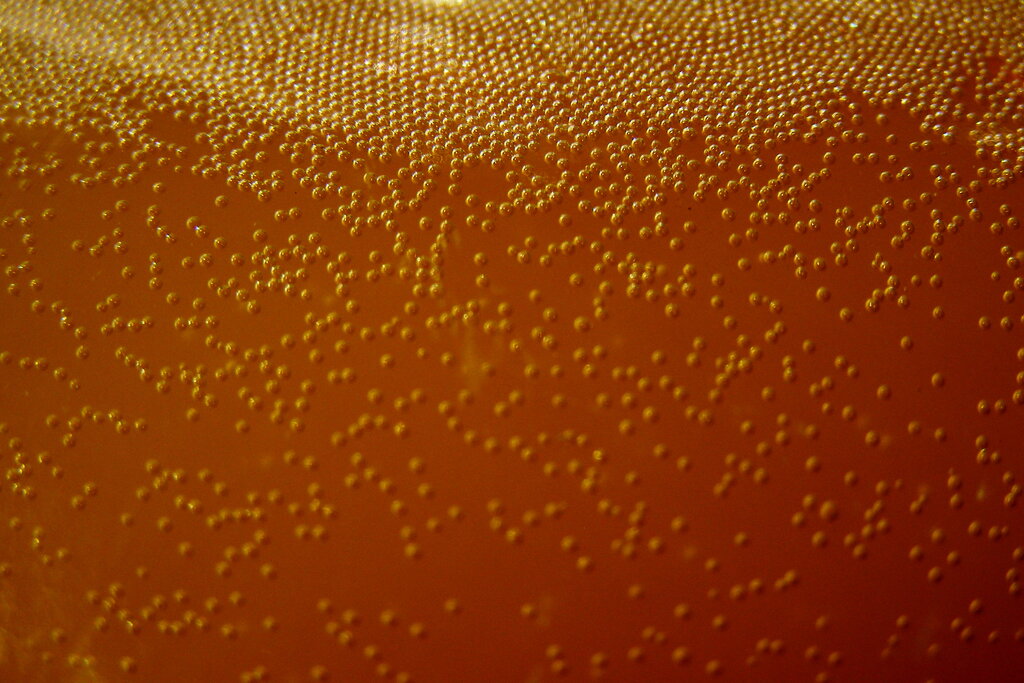
But what is wine really made of? While it might start as just grape juice, the final product is a blend of several key components that create its unique character. The vast majority of wine, about 80-90%, is simply water. The next largest component is alcohol, specifically ethanol, which typically ranges from 10% to 15% by volume. This is what gives wine its warmth and body.
Water and alcohol form the basic structure of wine, but the smaller components are what give it flavor, aroma, and personality.
Acids are crucial. They give wine its tart, refreshing quality and help preserve it. Grapes contain several types of acids, like tartaric and malic acid, which contribute to the wine's crispness. Without enough acidity, a wine can taste flat and dull. On the flip side, too much can make it unpleasantly sharp.
Then there's sugar. Even in a "dry" wine where all the sugar has been fermented, small amounts remain. These are called residual sugars. They can soften the perception of acidity and add to the wine's body. In sweet dessert wines, the sugar content is much higher, creating a luscious, rich taste.
Finally, we have phenolic compounds. This is a broad category that includes tannins and pigments. Tannins, which come from grape skins, seeds, and stems, are what create that drying sensation in your mouth, similar to drinking strong black tea. They add bitterness, structure, and complexity, particularly to red wines. Pigments, like anthocyanins, give red and rosé wines their beautiful color.
From Vine to Wine
If all wine is made from the same basic components, why do a Cabernet Sauvignon from California and a Pinot Noir from France taste so different? Four key factors work together to create a wine's unique identity.
The unique characteristics of a vineyard environment offer winemakers an opportunity to express terroir, a fundamental principle of winemaking.
It all starts with the grape variety. Just as a Granny Smith apple tastes different from a Red Delicious, a Chardonnay grape has a different flavor profile than a Sauvignon Blanc. Each variety has its own inherent characteristics—aromas, flavors, and levels of sugar, acid, and tannin.
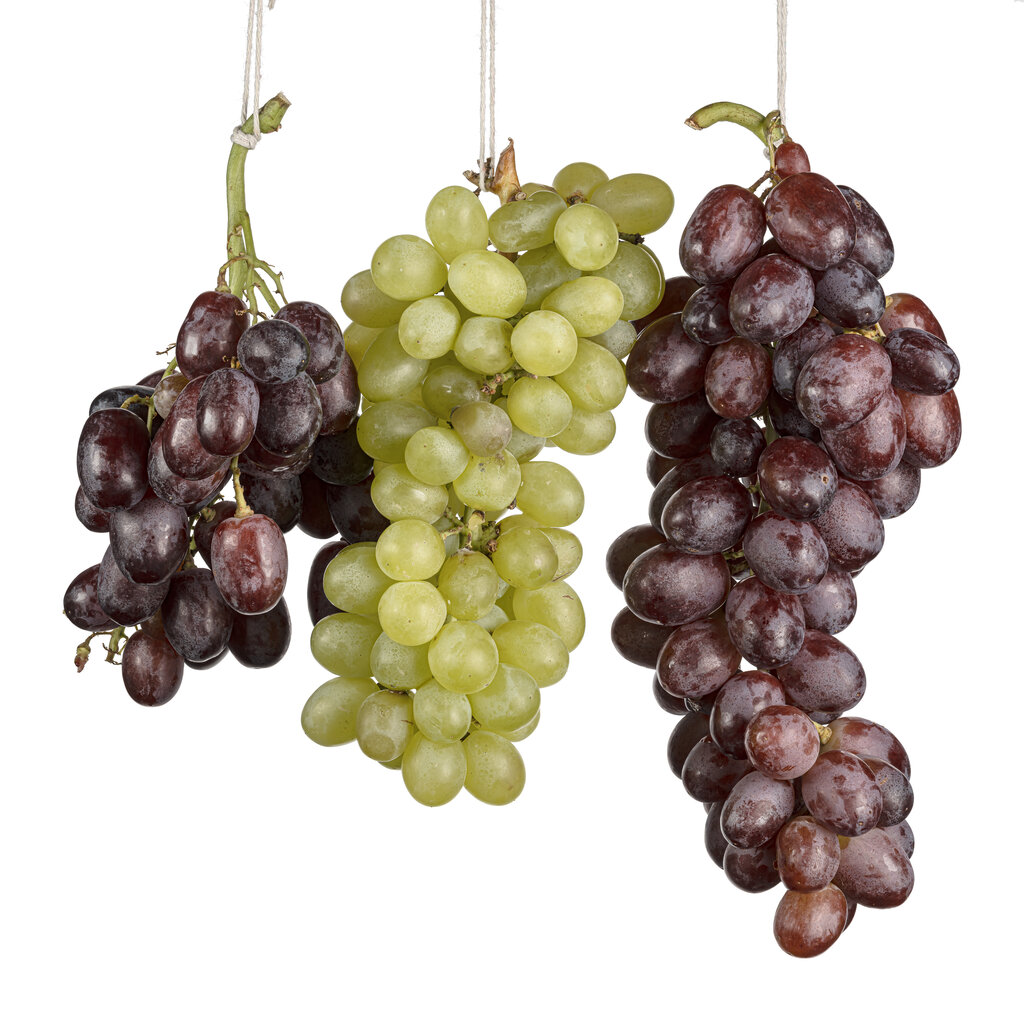
Climate and soil are next. Together, they form what the French call terroir. A grape grown in a cool climate will be higher in acidity and have more delicate flavors, while one from a warm climate will be riper, with higher sugar (and thus, higher potential alcohol) and bolder fruit flavors. The soil—be it clay, gravel, or limestone—affects how the vine gets water and nutrients, which also subtly influences the final taste.
Finally, winemaking techniques play a huge role. The winemaker makes countless decisions that shape the wine. How long should the juice stay in contact with the grape skins? Should the wine be aged in stainless steel tanks for a crisp, clean taste, or in oak barrels to add notes of vanilla and spice? Each choice adds another layer to the wine's story.
Putting It All Together
Think of it like baking a cake. You can have the same basic ingredients: flour, sugar, eggs, and butter. But the type of flour, the amount of sugar, whether you use butter or oil, and how long you bake it will result in vastly different cakes.
Wine is the same. The grape variety is the recipe, the terroir is the quality of your ingredients, and the winemaker is the chef. Understanding these fundamental building blocks is the first step to appreciating the incredible diversity and complexity you can find in every glass of wine.
Ready to test your knowledge?
What is the primary process where yeast converts sugar in grape juice into alcohol?
The drying, puckering sensation you might feel in your mouth when drinking a red wine is primarily caused by which component?