Modern Video Surveillance Systems and Edge Intelligence
Edge AI Security
Shifting Intelligence to the Edge
Traditional surveillance systems operate on a simple principle: cameras capture raw video and stream it to a central server. All the heavy lifting, like analyzing footage for a specific event, happens on that server or in the cloud. This model works, but it creates bottlenecks. Streaming constant high-definition video from dozens or hundreds of cameras consumes enormous network bandwidth and requires powerful, expensive servers to process it all.
Edge AI flips this model on its head. Instead of dumbly recording pixels, the camera itself becomes an intelligent sensor. It processes and analyzes video right where it's captured, thanks to powerful internal hardware.
System-on-Chip (SoC)
noun
An integrated circuit that combines all the major components of a computer or other electronic system into a single chip. In an AI camera, this includes a CPU, GPU, memory, and often a specialized neural processing unit (NPU) for running AI models efficiently.
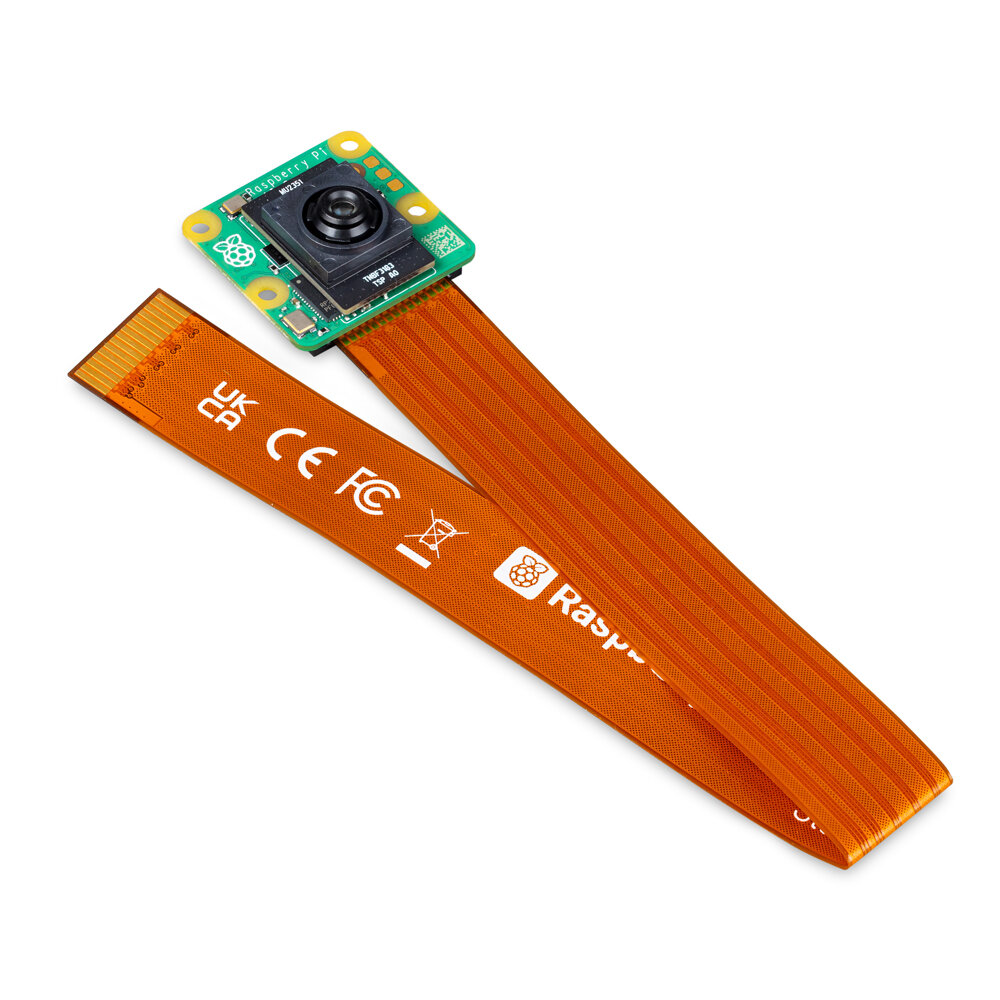
Modern security cameras equipped with advanced SoCs can run sophisticated deep learning models directly on the device. This local processing capability transforms the camera from a simple recording device into an active operational tool. It can identify objects, recognize patterns, and make decisions in real time, a crucial step in unbundling security from bulky on-premises infrastructure.
Smarter Data, Not More Data
The key advantage of Edge AI is how it handles data. Instead of streaming a firehose of raw video to a Video Management System (VMS), the camera processes the footage locally. It then sends only small, relevant packets of information called metadata.
This metadata can be a simple alert ('person detected in restricted zone'), a count ('57 vehicles passed'), or a specific identifier ('license plate ABC-123'). The full video stream might still be recorded on the camera's local storage, but only critical, actionable data is transmitted over the network.
Edge AI reduces the load by processing video locally and sending only key data—like people counts—to central systems.
This approach has two massive benefits: dramatically lower latency and significantly reduced bandwidth consumption. Since the analysis happens at the source, alerts are instantaneous. There's no delay from sending video to a server, waiting for it to be processed, and then receiving an alert back. For security applications, this real-time response is critical.
Practical Applications
The ability to run specialized models on the edge opens up a wide range of applications that are impractical with a centralized model.
In industrial zones, a camera can monitor an assembly line to ensure workers are wearing the required Personal Protective Equipment (PPE) like helmets and safety vests. It doesn't stream hours of compliant workers; it only sends an alert to a manager when a violation is detected.
In a logistics hub, cameras at an entry gate can perform license plate recognition. The system can automatically grant access to authorized vehicles and flag unrecognized ones without a human guard having to check every plate. The only data sent to the central system is the plate number, entry time, and a snapshot, not a continuous video stream of the gate.
Other powerful real-time detections include identifying loitering by tracking how long an individual remains in a specific area, detecting crowd formations to manage public safety, or even identifying visible weapons to trigger an immediate security protocol.
By moving intelligence to the edge, surveillance systems become more responsive, efficient, and scalable. They provide organizations with immediate, actionable insights while minimizing the strain on their network infrastructure.
What is the primary difference in how traditional surveillance systems and Edge AI systems handle video data?
According to the text, what are the two main benefits of having an Edge AI camera send only metadata instead of a constant video stream?