Modern US Navy Warships
US Navy Ship Types
A Fleet for Every Mission
A modern navy is a complex puzzle, with each ship acting as a specialized piece. Understanding the different types of vessels is key to seeing how the whole fleet works together. The U.S. Navy uses a system of hull classification symbols, which are abbreviations used to identify a ship's type. For example, 'CVN' denotes a nuclear-powered aircraft carrier.
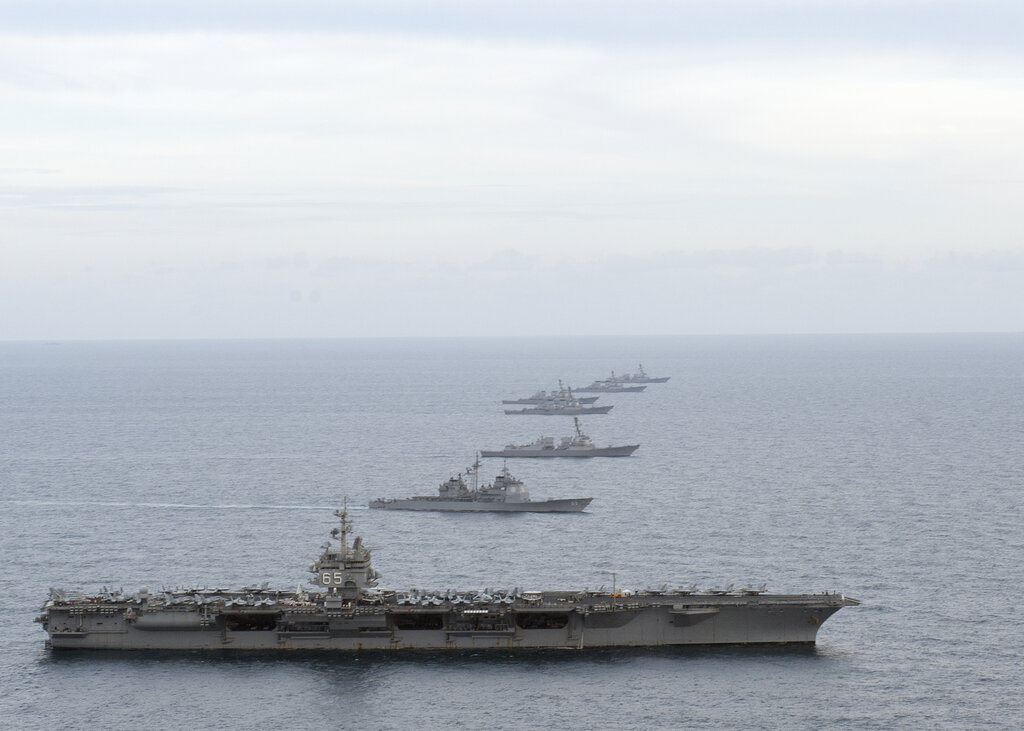
At the heart of many naval groups is the aircraft carrier. These are essentially floating airfields, capable of projecting air power across the globe. They carry dozens of aircraft, from fighter jets to helicopters, allowing the Navy to conduct operations far from friendly shores. Carriers are the largest ships in the fleet and are always powered by nuclear reactors, giving them nearly unlimited range. Their designation, CVN, stands for Carrier, heavier-than-air aircraft, Nuclear-powered.
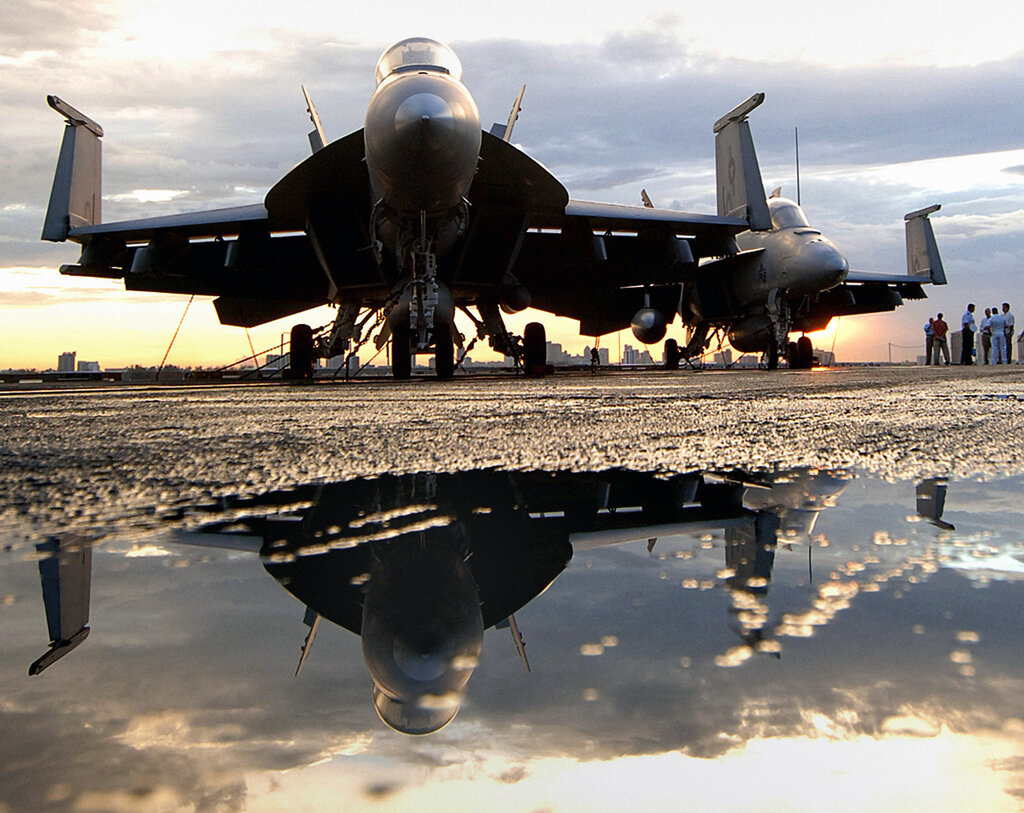
Guardians of the Sea
Protecting the carrier and other high-value ships is a fleet of surface combatants. These vessels are built for fighting other ships, defending against air and missile attacks, and hunting submarines.
Cruisers (CG) are powerful multi-mission warships. They are equipped with advanced radar systems and a large number of missiles, making them ideal command-and-control centers for air defense.
Destroyers (DDG) are the workhorses of the fleet. They are smaller than cruisers but are incredibly versatile, armed with weapons to engage targets in the air, on the surface, and underwater.
Frigates (FFG) are generally smaller and more specialized than destroyers, often focused on anti-submarine warfare and escorting other vessels. The modern Littoral Combat Ship (LCS) is a newer type of small surface combatant designed to operate close to shore.
Historically, the most powerful surface ships were Battleships (BB). These vessels were defined by their massive guns and heavy armor. While iconic, battleships became vulnerable to air power and missiles. The U.S. Navy decommissioned its last battleships in the early 1990s, and they now serve as floating museums.
Each surface combatant has a role, from the all-purpose destroyer to the command-focused cruiser, all working together to control the seas.
| Type | Symbol | Primary Role |
|---|---|---|
| Aircraft Carrier | CVN | Mobile airbase, power projection |
| Cruiser | CG | Air defense, command and control |
| Destroyer | DDG | Multi-mission escort, anti-air/sub/surface warfare |
| Battleship | BB | Heavy gunfire support (historical) |
Silent and Deep
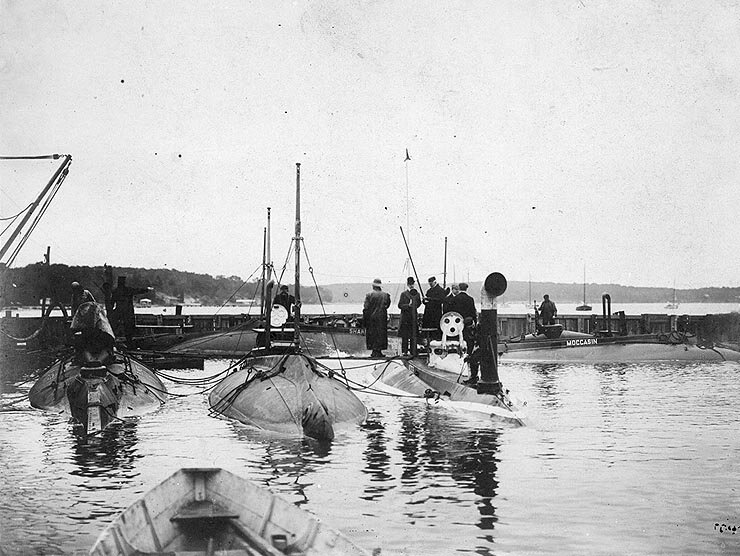
Operating beneath the waves are the submarines. These vessels provide unmatched stealth and are crucial for intelligence gathering, striking land targets, and strategic deterrence.
Ballistic Missile Submarines (SSBN) are the most critical part of the U.S. nuclear triad. Their mission is to stay hidden and provide a credible nuclear deterrent. They are often called "boomers."
Attack Submarines (SSN) are designed to seek and destroy enemy submarines and surface ships. They are also used for intelligence, surveillance, and reconnaissance missions, and can launch cruise missiles at land targets.
Finally, there are the amphibious assault ships. These vessels are designed to transport Marines and their equipment and land them on hostile shores. They look like small aircraft carriers and can deploy troops via helicopters, landing craft, and amphibious vehicles. Their designations include LHA (Landing Helicopter Assault) and LHD (Landing Helicopter Dock).
Now let's review these ship types and their roles.
Ready to test your knowledge? Let's see how well you know the fleet.
What does the hull classification symbol 'CVN' signify for a U.S. Navy ship?
A naval task force requires a versatile warship to handle air, surface, and underwater threats simultaneously. Which ship type is best described as the 'workhorse' of the fleet for these multi-mission roles?
From massive carriers to stealthy submarines, each ship type gives the Navy a specific capability. Together, they form a balanced and powerful force.