Modern Recommendation Systems Explained
Introduction to Recommendation Systems
What Are Recommender Systems?
Every time you open Netflix, Spotify, or Amazon, a powerful engine is working behind the scenes. It's trying to predict what you'll want to watch, listen to, or buy next. This is a recommendation system, and its main job is to filter through massive amounts of information to show you things you're likely to enjoy.
Think of it as a helpful assistant who knows your tastes. Instead of you having to search through millions of songs, it surfaces a playlist it thinks you'll love. This not only makes your experience better but also helps businesses by keeping you engaged with their content or products.
The core purpose of a recommender system is to predict a user's interest in an item and suggest items they are likely to find valuable.
Three Main Flavors
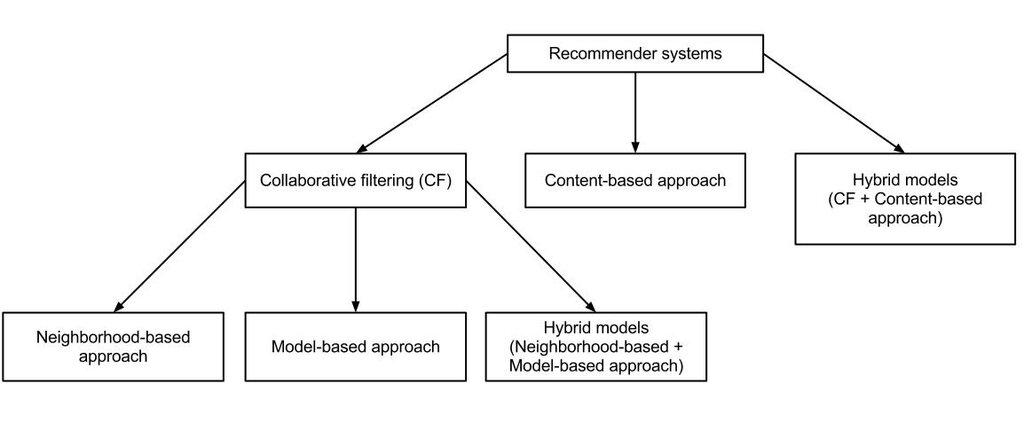
Recommender systems aren't all the same. They generally fall into three main categories, each with a different approach to figuring out what you might like.
Collaborative Filtering
other
A method that makes automatic predictions about the interests of a user by collecting preferences from many users.
This is the "people who liked this also liked that" approach. It works by finding users with similar tastes. If you and another person have rated a bunch of the same movies highly, the system assumes you have similar preferences.
So, if your taste-twin loved a movie you haven't seen yet, the system will probably recommend it to you. It doesn't need to know anything about the movies themselves, just who liked what. It's like asking a group of friends for movie suggestions—you'd probably trust the friends whose taste in movies is closest to your own.
Content-Based Filtering
other
A method that uses the description of an item and a profile of the user’s preferences to recommend items.
This method focuses on the properties of the items themselves. If you watch a lot of science fiction movies starring a specific actor, a content-based system will recommend other science fiction movies with that same actor.
It creates a profile of your tastes based on the features of the items you've enjoyed in the past. These features could be genre, director, actors, or even keywords from a movie's plot summary. The system then looks for other items with matching features. This approach doesn't rely on what other people think, only on what you've liked before and what the content is about.
Hybrid Approaches
other
Systems that combine collaborative and content-based filtering methods.
Both collaborative and content-based filtering have weaknesses. Collaborative filtering struggles with new items that nobody has rated yet (the "cold start" problem). Content-based filtering can get stuck in a rut, only recommending things that are very similar to what you've already seen.
Hybrid approaches combine the two methods to get the best of both worlds. For example, a system might use content-based filtering to make an initial guess for a new user and then lean more on collaborative filtering as it learns more about their tastes from their ratings. Most modern recommender systems use a hybrid approach.
A Quick Look Back
The idea of automated recommendations isn't new. The earliest systems emerged in the 1990s. One of the first was called Tapestry, an electronic messaging system that let users filter messages based on the actions of other users. This was an early form of collaborative filtering.
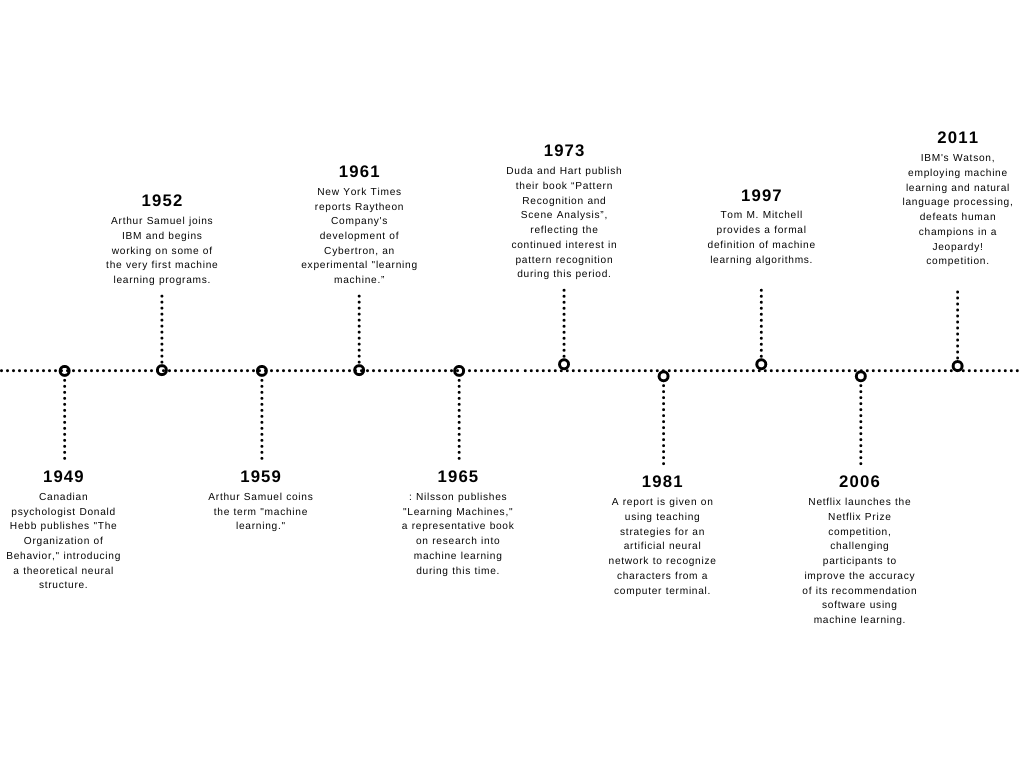
As the internet grew, so did the amount of available information, making these systems more necessary. Companies like Amazon began using them in the late '90s to suggest books. The big breakthrough came in the 2000s when Netflix launched a million-dollar prize to anyone who could significantly improve their movie recommendation algorithm. This competition spurred a massive amount of research and innovation in the field, leading to the sophisticated, AI-powered systems we use today.
Now that you have a handle on the basic types of recommendation systems, let's test your knowledge.
What is the primary function of a recommendation system?
A movie streaming service recommends a film to you because you have previously watched and liked several other films by the same director. This is an example of which approach?
Understanding these core concepts is the first step in seeing how modern platforms shape our digital experiences by predicting what we'll love next.