Modern Psychology and the Digital Frontier
Biological Behavioral Intersections
The Gut-Brain Connection
The brain isn't the only organ running the show. Your gastrointestinal tract hosts a bustling metropolis of trillions of microorganisms—bacteria, viruses, and fungi—collectively known as the gut microbiome. This ecosystem is so influential that scientists now refer to the gut as the "second brain." The communication between these microbes and your central nervous system is constant and bidirectional, forming what's called the microbiome-gut-brain axis.
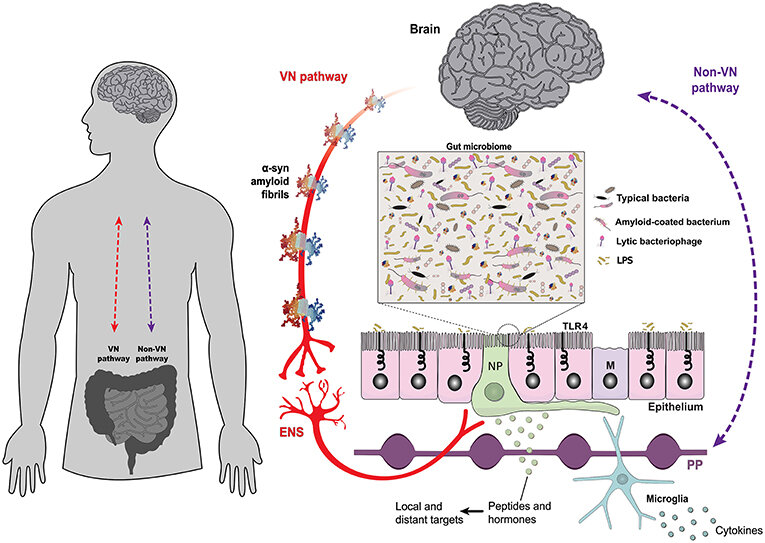
This isn't a vague wellness concept; it's a hardwired biological reality. The gut and brain are physically and chemically connected through several pathways. The most direct route is the vagus nerve, an information superhighway that sends signals in both directions. About 80-90% of the nerve fibers in the vagus nerve are dedicated to communicating from the gut to the brain, not the other way around. This means your gut has a lot to say about your mental state.
Your gut microbes are constantly sending updates to your brain, influencing everything from mood to memory.
Mechanisms of Communication
Besides the vagus nerve, the gut microbiome communicates with the brain through the immune system and by producing its own neuroactive compounds. Your gut is home to a significant portion of your immune cells. The microbiome helps train these cells, teaching them to distinguish friend from foe. When the microbiome is healthy, it promotes an anti-inflammatory state. When it's out of balance, it can trigger an inflammatory response, and the resulting inflammatory molecules, called cytokines, can travel to the brain and influence mood and behavior, often contributing to feelings of anxiety and depression.
Furthermore, gut microbes are tiny chemical factories. They digest dietary fiber that our own cells can't break down and produce beneficial compounds like short-chain fatty acids (SCFAs). Butyrate, one such SCFA, is the primary energy source for cells lining the colon and also plays a role in maintaining the integrity of the blood-brain barrier. These microbes also synthesize or influence the production of numerous neurotransmitters. In fact, over 90% of the body's serotonin, a key mood regulator, is produced in the gut, and its production is heavily influenced by the composition of your microbiome.
Dysbiosis and Mental Health
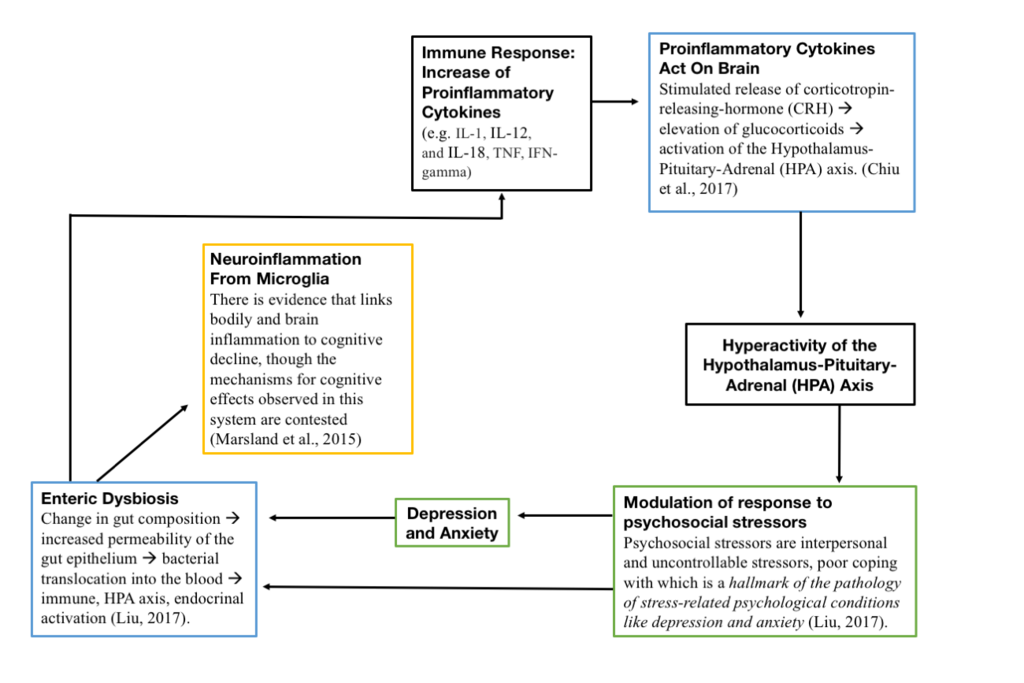
When the delicate balance of the gut microbiome is disrupted—a condition known as —it can have far-reaching effects on mental health. Dysbiosis can be caused by factors like a poor diet, chronic stress, or antibiotic use. This imbalance reduces the production of beneficial compounds like SCFAs and can lead to a 'leaky gut,' where the intestinal wall becomes more permeable, allowing inflammatory substances to enter the bloodstream.
This systemic inflammation can directly impact brain function and is a known contributor to both anxiety and depression. The microbiome also plays a critical role in regulating the (Hypothalamic-Pituitary-Adrenal axis), our central stress response system. A healthy gut microbiome helps maintain a balanced stress response. In a state of dysbiosis, the HPA axis can become dysregulated, leading to an overproduction of the stress hormone cortisol and heightening the body's reaction to stress.
The good news is that the gut-brain axis is a two-way street that we can influence. Recent clinical trials are exploring the use of specific probiotic strains, sometimes called "psychobiotics," to target mental health. Studies have shown that supplementation with certain strains of Lactobacillus and Bifidobacterium can reduce symptoms of anxiety and depression, likely by restoring microbial balance, reducing inflammation, and improving the gut's communication with the brain. This research moves us beyond a 'brain-only' view of mental health and toward a systemic understanding of how our physical and psychological well-being are deeply intertwined.
Nourish your microbiome and it will help nourish you—calmer immune responses, steadier metabolism, and a more resilient brain–body axis.
Ready to test your knowledge on this intricate internal network?
What is the primary direction of information flow along the vagus nerve between the gut and the brain?
Over 90% of the body's serotonin, a key neurotransmitter for regulating mood, is produced in the brain.