Modern Plant Compound Separation Techniques
Introduction to Pharmacognosy
The Study of Nature's Medicines
For thousands of years, humans have looked to nature for remedies. From a soothing cup of chamomile tea to powerful prescription drugs, many of our medicines originate from plants and other natural sources. This field of study, one of the oldest branches of pharmacy, has a name: pharmacognosy.
Pharmacognosy
noun
The study of medicinal drugs obtained from plants or other natural sources.
In simple terms, pharmacognosy is the science of turning natural substances into drugs. It involves identifying which plants have medicinal properties, isolating the specific chemicals responsible for those effects, and understanding how they work in the body. The term itself comes from two Greek words: pharmakon, meaning drug, and gnosis, meaning knowledge.
A Quick Trip Through Time
The practice of using plants as medicine is as old as humanity itself. Ancient civilizations documented their knowledge extensively. The Ebers Papyrus from ancient Egypt, written around 1550 BC, lists over 700 plant-based remedies. In ancient Greece, the physician Dioscorides wrote De Materia Medica (On Medical Matters), a comprehensive catalog of medicinal plants that became the standard reference for over 1,500 years.
For most of history, people used whole plants or simple extracts. They knew that willow bark could ease pain, but they didn't know why. That began to change in the 19th century.
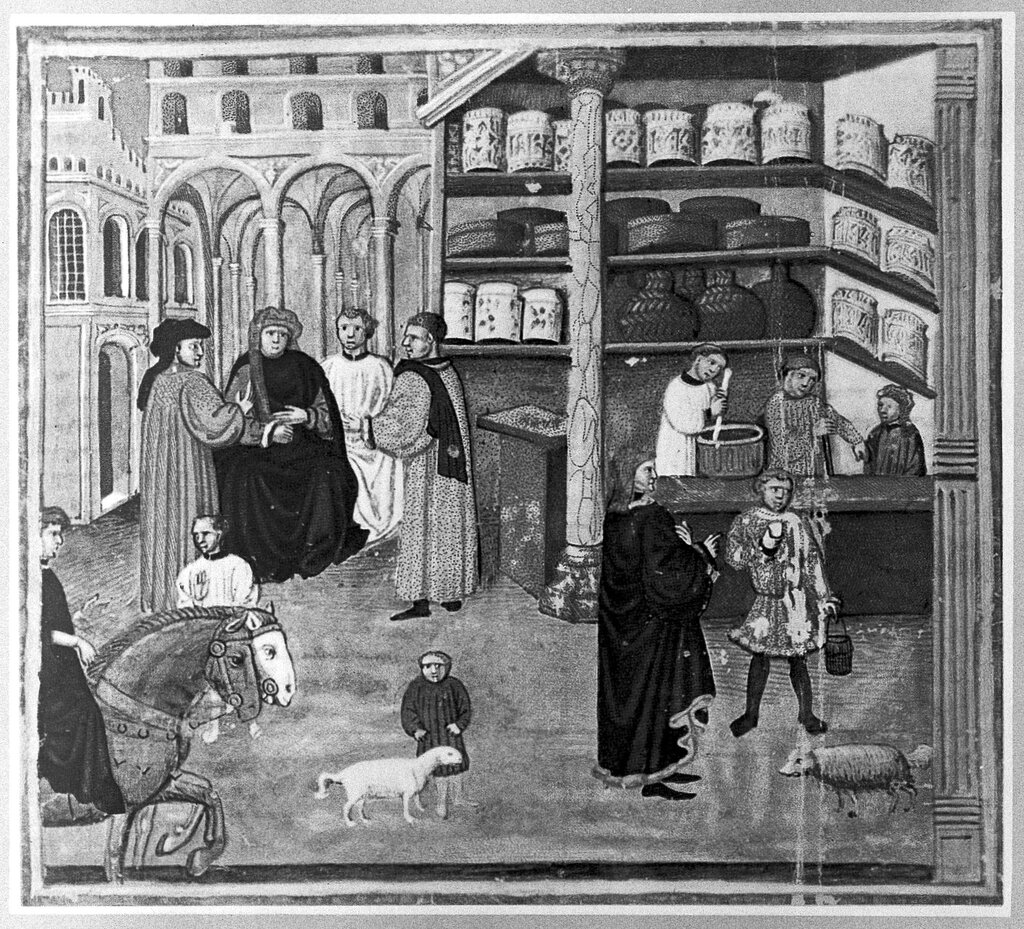
Scientists developed new methods to isolate the pure, active chemicals from plants. In 1804, German pharmacist Friedrich Sertürner isolated morphine from the opium poppy. For the first time, doctors could administer a precise, known dose of a plant's most powerful compound. This breakthrough marked the beginning of modern pharmacy and pharmacology, paving the way for the development of countless new drugs.
Nature's Pharmacy
Even with today's advanced technology, the natural world remains a vital source for new medicines. The complex structures of compounds found in plants are often difficult or impossible to design from scratch in a lab.
Today, nearly half of all available drugs are derived from natural products, either from direct isolation from nature or by synthesis of the active compound in a lab (14).
Many common and life-saving drugs owe their existence to plants. You might be surprised how many powerful medications started as a leaf, a piece of bark, or a flower.
| Drug | Original Source | Medical Use |
|---|---|---|
| Aspirin (Salicylic acid) | Willow tree bark | Pain relief, anti-inflammatory |
| Quinine | Cinchona tree bark | Anti-malaria |
| Digoxin | Foxglove plant | Heart failure treatment |
| Paclitaxel (Taxol) | Pacific yew tree bark | Cancer chemotherapy |
| Morphine & Codeine | Opium poppy | Severe pain relief |
The Building Blocks of Natural Medicines
Plants produce thousands of different chemical compounds. Most are involved in the plant's basic functions, like growth and photosynthesis. But some, known as secondary metabolites or phytochemicals, serve other purposes, like defending against pests or attracting pollinators. These are the compounds that often have medicinal effects in humans.
Pharmacognosy classifies these active compounds into groups based on their chemical structure. While there are many categories, a few of the most important are:
Alkaloids: Nitrogen-containing compounds that often have potent effects on the nervous system. Examples include morphine (painkiller), caffeine (stimulant), and quinine (anti-malarial).
Glycosides: Compounds made of a sugar molecule attached to another, non-sugar component. The foxglove plant produces cardiac glycosides like digoxin, which are used to treat heart conditions.
Polyphenols: A large group of compounds known for their antioxidant properties. They include flavonoids (found in fruits and vegetables) and tannins (found in tea and wine).
Understanding these basic groups helps scientists search for new drugs. By isolating and studying these natural products, researchers continue to unlock the secrets of nature's pharmacy, developing new treatments for diseases and improving human health.
Time to review what we've covered.
What is the primary focus of pharmacognosy?
Which historical event marked the beginning of modern pharmacy by allowing for precise dosing of a plant's active compound?
This ancient science continues to be a cornerstone of modern medicine, blending traditional knowledge with cutting-edge chemistry to discover the medicines of tomorrow.