Modern Phycology and Algal Biotechnology
Advanced Algal Systematics
Beyond Appearances
For centuries, classifying algae was a visual art. Scientists looked at size, shape, and color to decide which species was which. This morphological approach worked, but it was like trying to understand a family's history using only a few blurry photographs. It missed the deeper story written in their genes.
Today, we use molecular phylogenetics, which compares DNA sequences to build family trees. This method has completely upended algal taxonomy. Organisms that look wildly different can be close cousins, while others that appear identical might be separated by millions of years of evolution. It's a powerful tool that reveals the true, complex relationships hidden within the algal world.
DNA sequencing allows us to read the evolutionary history of algae, revealing relationships that morphology alone could never show.
Hidden in Plain Sight
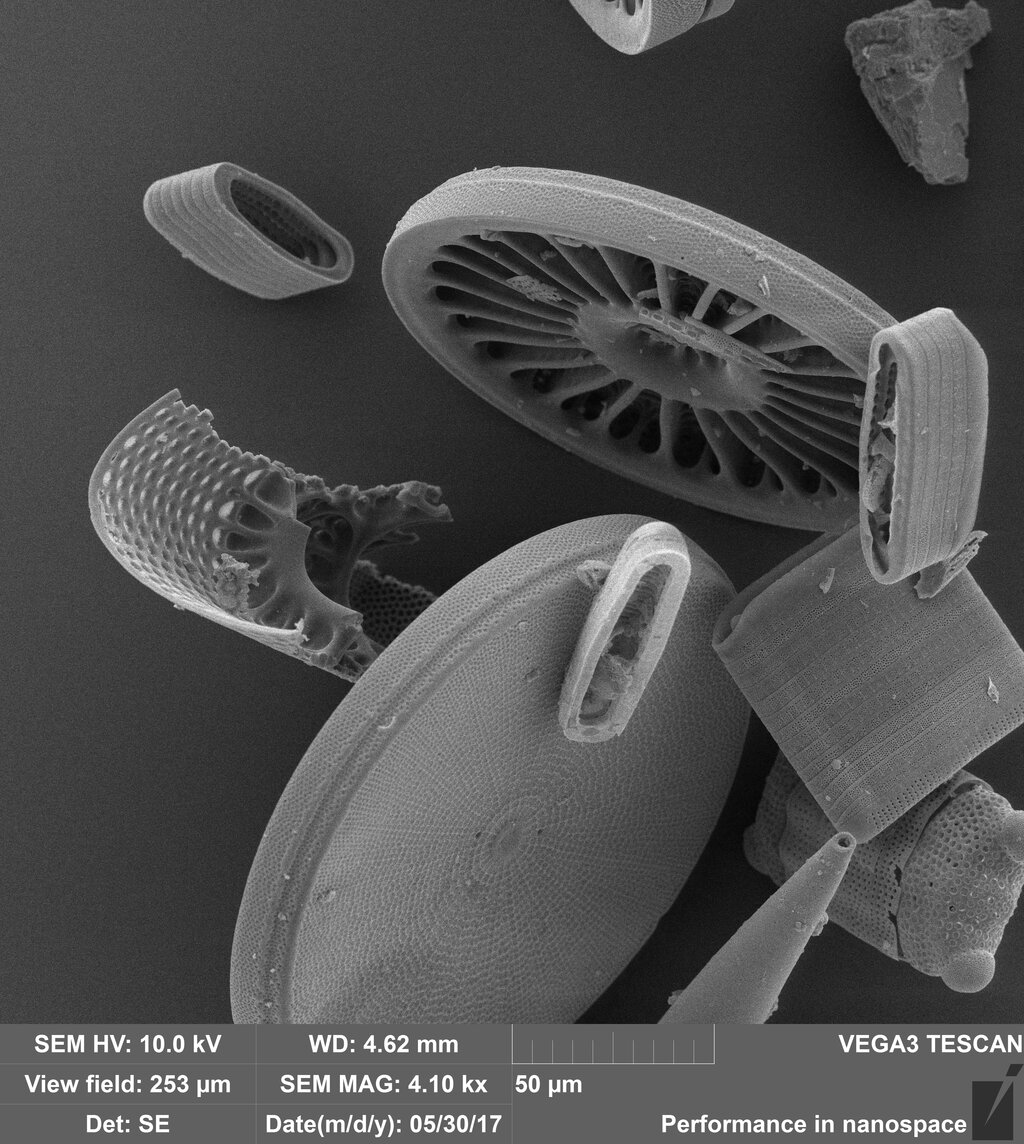
One of the most surprising discoveries from molecular studies is the sheer scale of cryptic diversity among algae. These are species that are genetically distinct but look identical, even to a trained eye. Think of them as identical twins who are actually unrelated. Pseudo-cryptic species are similar, but have very subtle, often overlooked physical differences.
This hidden diversity is not just an academic curiosity. Different cryptic species can have unique biochemical properties, growth rates, and ecological roles. For industrial applications, knowing you have the right genetic strain is critical. This is why resources like AlgaeBase are so vital. As of 2024, it documents over 50,000 formally described species, a number that continues to climb as genetic tools uncover more hidden players in marine and freshwater ecosystems.
Cryptic Species
noun
Two or more distinct species that are classified as a single species because they are morphologically nearly identical.
A Tale of Ancient Mergers
The story of algal diversity is a story of theft and partnership on a cellular scale. The ability to photosynthesize didn't evolve independently in every algal group. Instead, it was acquired through a process called endosymbiosis, where one cell engulfs another and puts it to work.
It all started with primary endosymbiosis. A non-photosynthetic eukaryotic cell engulfed a cyanobacterium, which then evolved into the first plastid. This event gave rise to the red algae, green algae, and glaucophytes. But the story didn't end there. In secondary endosymbiosis, other eukaryotes engulfed a red or green algal cell. This more complex merger created the diverse plastids found in groups like brown algae and diatoms. Some groups even went through a third round, tertiary endosymbiosis, adding yet another layer of complexity.
This complex history of mergers means that 'algae' are not a single, unified group. Instead, they are scattered across four of the major kingdoms of life.
| Kingdom | Major Algal Groups | Key Characteristics |
|---|---|---|
| Eubacteria | Cyanobacteria | Prokaryotic; original source of plastids. |
| Plantae | Red Algae, Green Algae | Descendants of primary endosymbiosis; relatives of land plants. |
| Chromista | Diatoms, Brown Algae | Result of secondary endosymbiosis with a red alga. |
| Protozoa | Dinoflagellates, Euglenids | Highly diverse; acquired plastids through various secondary and tertiary events. |
Complex Life Cycles
Algal reproduction is just as diverse as their evolutionary history. Some have simple life cycles, but many macroalgae exhibit a fascinating strategy called alternation of generations or a diplohaplontic life cycle. In this model, the organism alternates between two distinct multicellular forms: a haploid (n) gametophyte and a diploid (2n) sporophyte.
The gametophyte produces gametes (sperm and eggs) through mitosis. When these fuse, they form a diploid zygote, which grows into the sporophyte. The sporophyte then produces haploid spores through meiosis, and these spores grow into new gametophytes, completing the cycle. In some species, the gametophyte and sporophyte look identical (isomorphic), while in others they are visually distinct (heteromorphic).
This contrasts with simpler haplontic and diplontic cycles. In a haplontic life cycle, the only diploid stage is the single-celled zygote; the main organism is haploid. In a diplontic cycle, like that of humans, the only haploid cells are the gametes; the organism itself is diploid.
Understanding these systematic and reproductive complexities is the foundation of modern phycology. It allows researchers to accurately identify algal strains, predict their behavior, and harness their unique metabolic capabilities for industrial use.
What is the primary advantage of using molecular phylogenetics over traditional morphological methods for classifying algae?
The term "cryptic diversity" in algae refers to species that...
This modern approach to algal systematics, blending genetics with life cycle analysis, provides the detailed knowledge needed to select and cultivate specific strains for everything from biofuels to pharmaceuticals.