Modern No-Gi Brazilian Jiu-Jitsu
Introduction to No-Gi BJJ
Welcome to No-Gi
Brazilian Jiu-Jitsu is often called the "gentle art," but it has a dynamic and fast-paced side where the traditional uniform, the gi, is set aside. This is No-Gi BJJ. At its core, the difference is simple: in traditional BJJ, you wear a thick cotton jacket and pants, which you can grab. In No-Gi, you wear athletic clothing like rash guards and shorts, which you can't.
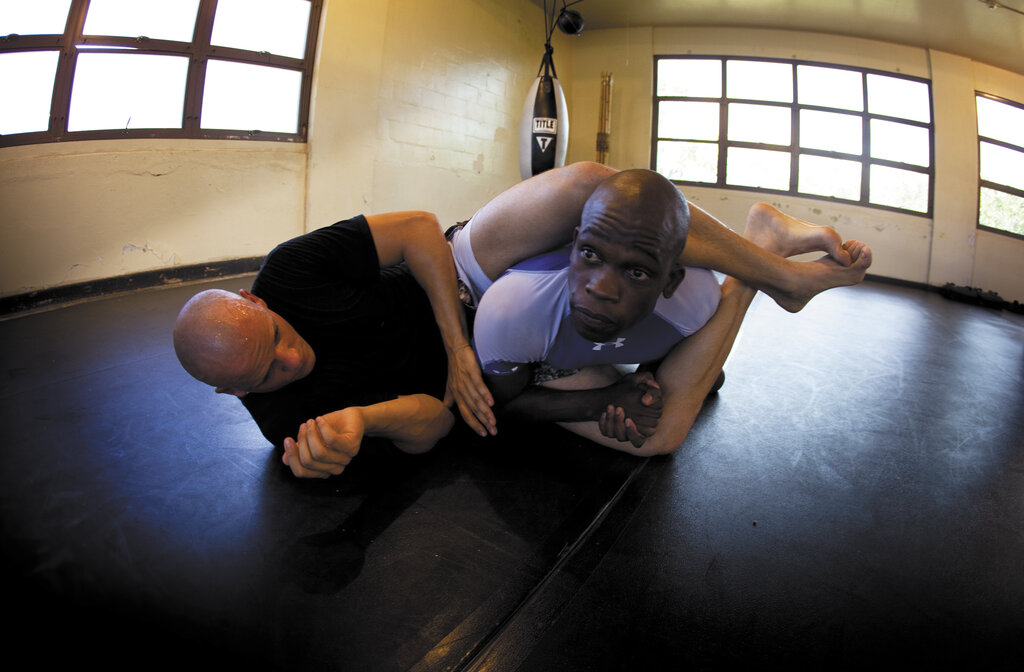
This single change transforms the art. Without the friction and grips of the gi, the pace of a match quickens. Movement becomes more fluid and explosive. Instead of controlling your opponent's uniform, you must control their body directly—their wrists, neck, elbows, and hips. This makes No-Gi a different kind of strategic puzzle.
Vale Tudo to Modern MMA
The origins of No-Gi BJJ are tied to the raw, early days of combat sports in Brazil. Before the rise of modern Mixed Martial Arts (MMA), there were "Vale Tudo" fights, which translates to "anything goes." In these challenges, practitioners from different martial arts styles would compete with very few rules to see which art was most effective.
BJJ fighters quickly proved their dominance in Vale Tudo. However, they realized that many of their gi-based techniques were useless if their opponent wasn't wearing a uniform. To adapt, they began to modify their art for a no-gi environment. This laid the groundwork for the grappling style that is now essential for every successful MMA fighter.
In Gi BJJ, you control the uniform. In No-Gi, you control the body.
This philosophy shift means that while the fundamental goals are the same—positional dominance and submissions—the path to get there is different. No-Gi emphasizes wrestling-style takedowns, scrambles for position, and submissions that don't rely on cloth grips, like guillotine chokes and leg locks.
Gear and Grips
The attire for No-Gi is straightforward and functional. Practitioners typically wear a rash guard, which is a snug-fitting athletic shirt made of spandex or a similar blend. This protects the skin from mat burn and germs. For bottoms, grappling shorts (without pockets or zippers) or spats (compression leggings) are standard.
| Feature | Gi BJJ | No-Gi BJJ |
|---|---|---|
| Attire | Thick cotton gi and belt | Rash guard and shorts/spats |
| Grips | Collar, sleeve, pant grips | Body locks, wrist, neck, ankle grips |
| Pace | Slower, more methodical | Faster, more scrambles |
| Strategy | Using friction and grips to stall or control | Emphasizes movement and direct control |
The lack of a gi also makes the sport more accessible. Newcomers don't need to purchase an expensive, specialized uniform to get started; standard athletic wear is often enough for a trial class. This lower barrier to entry has helped BJJ reach a wider audience, attracting people from wrestling, judo, and other sports, as well as complete beginners.
By removing the gi, the art becomes a universal language of grappling, applicable in self-defense scenarios or in the MMA cage. It’s BJJ distilled to its essence: leverage and control over the human body.
Ready to test what you've learned about the fundamentals of No-Gi?
What is the primary factor that distinguishes No-Gi BJJ from traditional Gi BJJ?
The development of No-Gi grappling is closely tied to what historical Brazilian combat sport?