Modern Monetary Theory Explained
Introduction to Money and Monetary Systems
What Is Money, Really?
At its core, money isn't just paper or coins. It's a tool that does three specific jobs. First, it's a medium of exchange. Instead of trading your chickens for bread, you can sell the chickens for money and then use that money to buy bread. It makes life much simpler.
Second, it's a unit of account. Money provides a common measure of value. We can say a loaf of bread costs $5 and a new car costs $30,000. This shared understanding of value allows us to compare different goods and services easily.
Finally, money acts as a store of value. You can hold onto it today and spend it tomorrow, next week, or next year, and it will still have purchasing power. While its value can change over time due to inflation, the basic principle is that it allows you to save your economic energy for later use.
Think of money as a social agreement. We all agree to accept it as payment because we know others will accept it from us.
From Gold Bars to Digital Dollars
Money hasn't always looked the way it does now. For most of history, societies used commodity money, which is an object with value outside of its use as currency. Things like salt, shells, and precious metals like gold and silver were used because they were rare, durable, and widely desired.
A system based on physical commodities is cumbersome. Carrying around heavy coins or bars of gold isn't practical. This led to the development of representative money. A bank or government would issue paper certificates that could be exchanged for a fixed amount of a commodity, like gold. The paper itself wasn't valuable, but what it represented was.
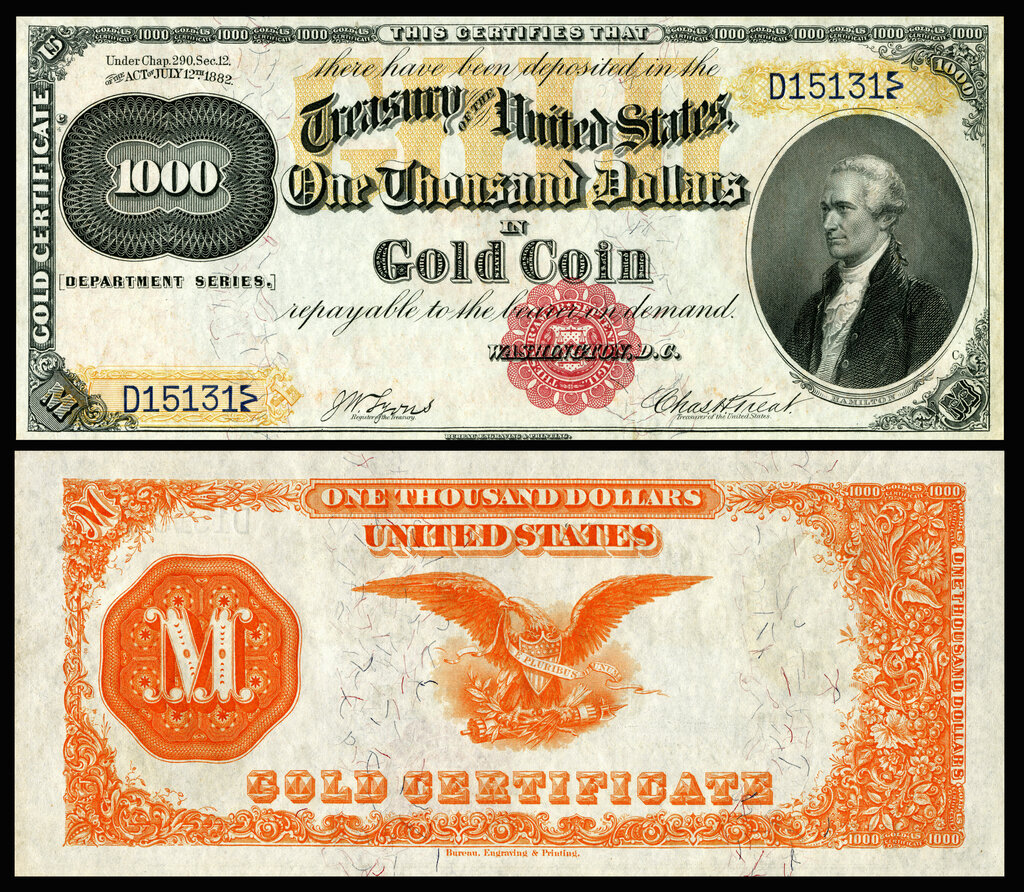
Today, most countries use fiat money. This type of money isn't backed by a physical commodity. Its value comes from the trust people have in the government that issues it and its acceptance for paying taxes.
fiat money
noun
Currency that a government has declared to be legal tender, but is not backed by a physical commodity.
Who Manages the Money?
In modern economies, a central bank is the institution responsible for managing a nation's currency and money supply. In the United States, this is the Federal Reserve. In the United Kingdom, it's the Bank of England.
Central banks have several key functions:
- Issuing Currency: They are typically the sole issuer of physical banknotes and coins.
- Monetary Policy: They set interest rates to control inflation and stabilize the economy.
- Banker to the Government: They manage the government's bank accounts.
- Banker to Banks: They provide banking services to commercial banks and act as a "lender of last resort" to prevent financial crises.
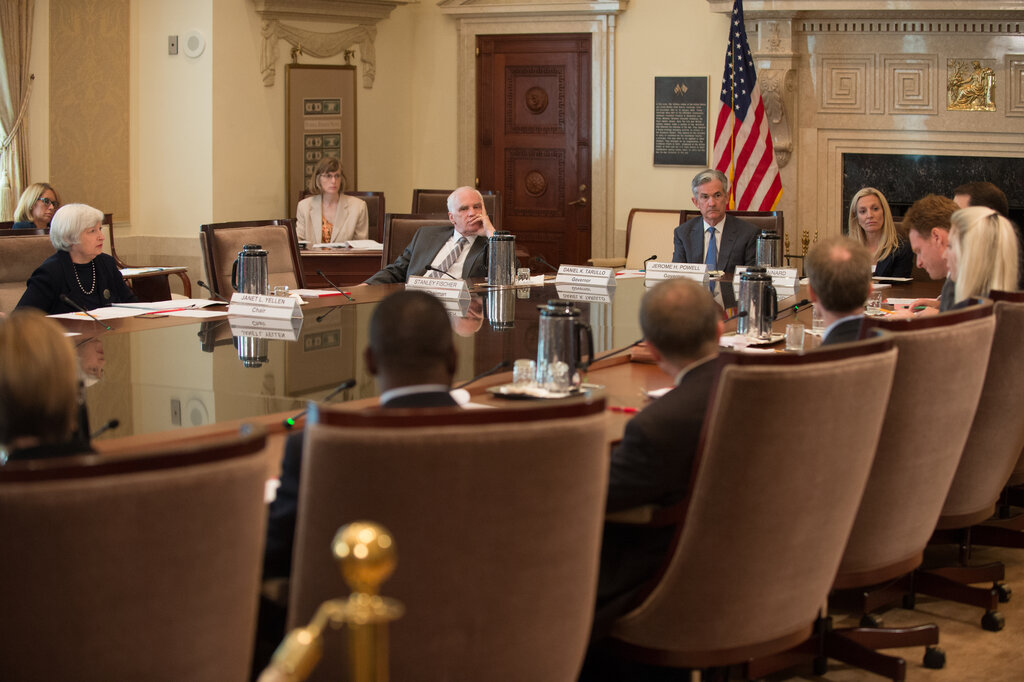
By overseeing the banking system and managing the money supply, central banks play a crucial role in maintaining economic stability.
Where Does Money Come From?
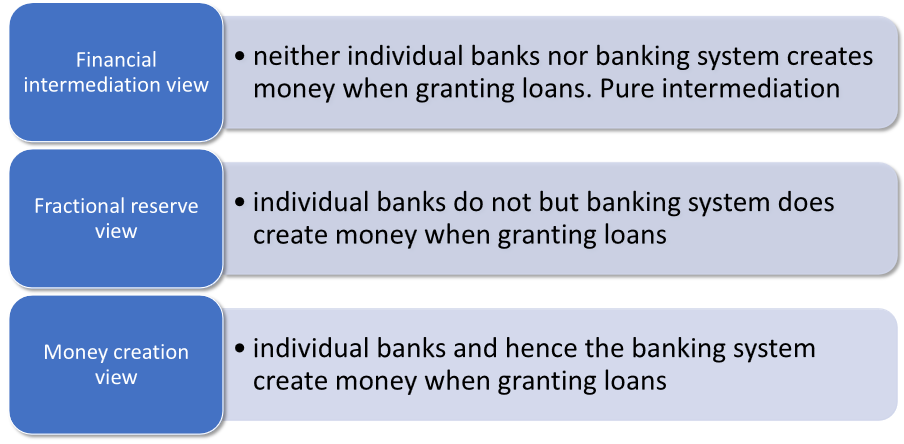
It’s a common misconception that all money is created by a government printing press. In reality, most of the money in a modern economy is created by commercial banks when they make loans.
Imagine you go to a bank to get a $100,000 mortgage to buy a house. The bank doesn't take that money from someone else's savings. Instead, it creates a new deposit in your account for $100,000. At that moment, new money enters the economy. Your loan is an asset for the bank, and your new deposit is a liability.
When you repay the loan over time, the money is effectively destroyed. The process of lending creates money, and the process of repayment destroys it. The central bank creates physical currency and the reserves that commercial banks use, but the vast majority of money is digital and brought into existence by the act of lending.
This brings us to the concept of monetary sovereignty. A country that issues its own fiat currency, doesn't borrow in a foreign currency, and doesn't have a fixed exchange rate is considered monetarily sovereign. This gives its government more flexibility in managing its economy. Because it creates its own currency, it can't technically run out of it in the same way a household or business can. This doesn't mean it can spend without limits, as that would cause other problems like high inflation, but it does change how we think about government finance.
Now, let's test your understanding of these core concepts.
When you check the price of a coffee (10) to see which one you can afford, which function of money are you primarily using?
What is the primary characteristic that gives fiat money its value?
Understanding these fundamentals of money, banking, and sovereignty is the first step to exploring more complex economic ideas.