Modern Marketing Essentials
Introduction to Marketing
What Is Marketing?
Marketing is often mistaken for just advertising or selling. While those are parts of marketing, they're not the whole picture. At its heart, marketing is the entire process of creating and delivering value to customers.
Think of it as a bridge. On one side, you have a business with a product or service. On the other, you have people who have a need or a problem. Marketing is the bridge that connects them. It involves understanding what people need, developing a product to meet that need, figuring out how to let people know about it, and making it easy for them to get it.
Marketing
noun
The process of identifying customer needs and wants, and then creating, communicating, delivering, and exchanging offerings that have value for customers, clients, partners, and society at large.
It’s a conversation, not a monologue. The goal isn't just to sell something once, but to create a relationship that makes a customer want to come back again and again.
Why Marketing Matters
Without marketing, even the best product in the world can fail. If no one knows your product exists, or understands why it's better than the alternatives, how can they buy it? Marketing is essential for business growth.
It’s the engine that drives revenue. By reaching the right people with the right message, marketing generates leads and sales. It also builds a brand's reputation and creates customer loyalty. When people trust your brand, they are more likely to choose you over a competitor.
A business without marketing is like winking at someone in the dark. You know what you're doing, but nobody else does.
Marketing also provides valuable information for the business. By listening to customers and studying the market, a company can learn what's working, what isn't, and how to innovate for the future. It’s a vital feedback loop that keeps a business relevant and competitive.
The Four Pillars of Marketing
To build a strong marketing strategy, marketers often turn to a classic framework known as the marketing mix, or the "Four Ps." These are the key elements you can control to satisfy your customers' needs.
| Pillar | Description |
|---|---|
| Product | The item or service you're selling. This includes its design, features, quality, and branding. It’s all about creating something that people actually want. |
| Price | How much you charge for the product. This decision affects how customers perceive your product's value and how much profit you make. |
| Place | Where and how customers can buy your product. This could be a physical store, an online shop, or a direct sales team. The goal is to make it accessible. |
| Promotion | How you communicate with your customers. This includes advertising, public relations, social media, and any other activity to spread the word. |
These four elements are interconnected. A change in one often requires a change in another. For example, a high-quality, premium product (Product) would likely have a high price (Price), be sold in exclusive stores (Place), and be advertised in luxury magazines (Promotion).
How Marketing Has Evolved
Marketing hasn't always been about building relationships. Its focus has shifted dramatically over the last century.
-
The Production Era: In the early 1900s, the focus was simply on making products. The general idea was that a good product would sell itself. Companies focused on manufacturing efficiency.
-
The Sales Era: By the 1920s and '30s, production had caught up with demand. Now, companies had to convince people to buy their products over a competitor's. This led to a focus on aggressive sales tactics.
-
The Marketing Era: After World War II, the focus shifted to the customer for the first time. Companies started by asking, "What do people want?" and then created products to meet those needs. This was the birth of modern marketing.
-
The Relationship Era: Today, we're in the relationship era. It’s no longer enough to just meet a need. Companies now focus on building long-term relationships with customers, fostering loyalty, and creating a community around their brand.
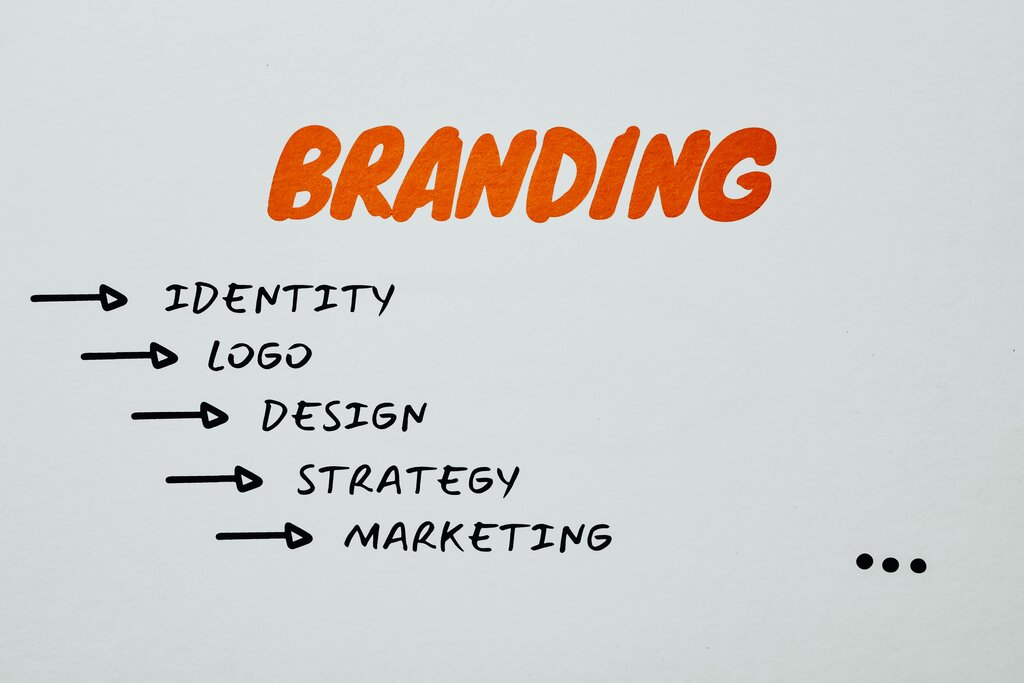
Understanding these foundational concepts is the first step toward building effective marketing strategies that connect with people and drive growth.