Modern Italy and Its Complex Heritage
Post-War Economic Transformation
The Economic Miracle
In the aftermath of World War II, Italy was a country on its knees. Its infrastructure was shattered, its economy was in ruins, and much of its population was impoverished. The nation was primarily agrarian, with a stark divide between a modestly industrialized North and a deeply rural, almost feudal South. Yet, from this devastation, Italy staged one of the most remarkable economic recoveries of the 20th century.
This period of rapid transformation, from the early 1950s to the late 1960s, is known as 'Il Miracolo Economico'—the Economic Miracle.
Seeds of Recovery
The miracle wasn't spontaneous. It was fueled by a combination of external aid and shrewd domestic policy. The initial spark came from the United States through the , which provided crucial funds to rebuild roads, bridges, and factories. This aid prevented economic collapse and laid the physical groundwork for industrial expansion.
Internally, the Italian state took a uniquely hands-on approach. It leveraged existing state-owned holding companies, most notably the Institute for Industrial Reconstruction (IRI), to direct investment into key sectors like steel, telecommunications, and banking. Another state-owned enterprise, ENI (Ente Nazionale Idrocarburi), became a global player in the energy sector under the ambitious leadership of Enrico Mattei. These companies acted as engines of growth, creating jobs and fostering innovation where private capital was initially scarce.
A Nation on the Move
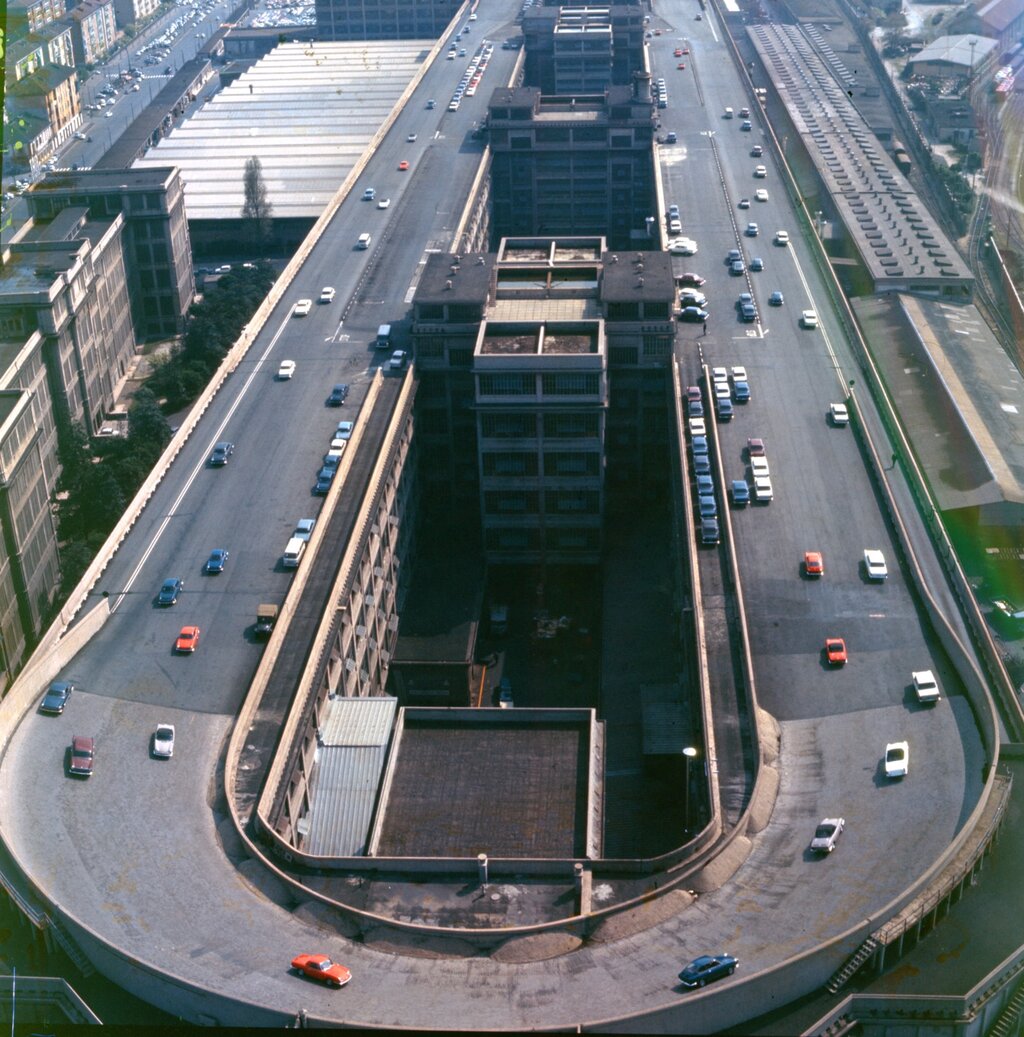
The economic boom fundamentally reshaped Italian society. The most dramatic change was a massive wave of internal migration. Millions of Italians left the impoverished rural South, known as the , seeking work in the booming factories of the North. They flocked to the 'Industrial Triangle,' the area defined by the cities of Milan, Turin, and Genoa.
This migration was not without friction. Southerners often faced prejudice and difficult living conditions in the crowded northern cities. However, they provided the essential labor that powered the factories of Fiat, Pirelli, and countless other companies. This demographic shift created the modern economic and social map of Italy, but it also cemented a deep-seated economic divide between the prosperous North and the struggling South that persists to this day.
This era also saw the birth of iconic Italian brands that became global symbols of style and design. The Fiat 500 put the nation on wheels, while the Vespa scooter offered a chic and affordable way to navigate bustling city streets. These products weren't just economic goods; they were cultural exports, broadcasting an image of a modern, stylish, and optimistic Italy.
Italy on the World Stage
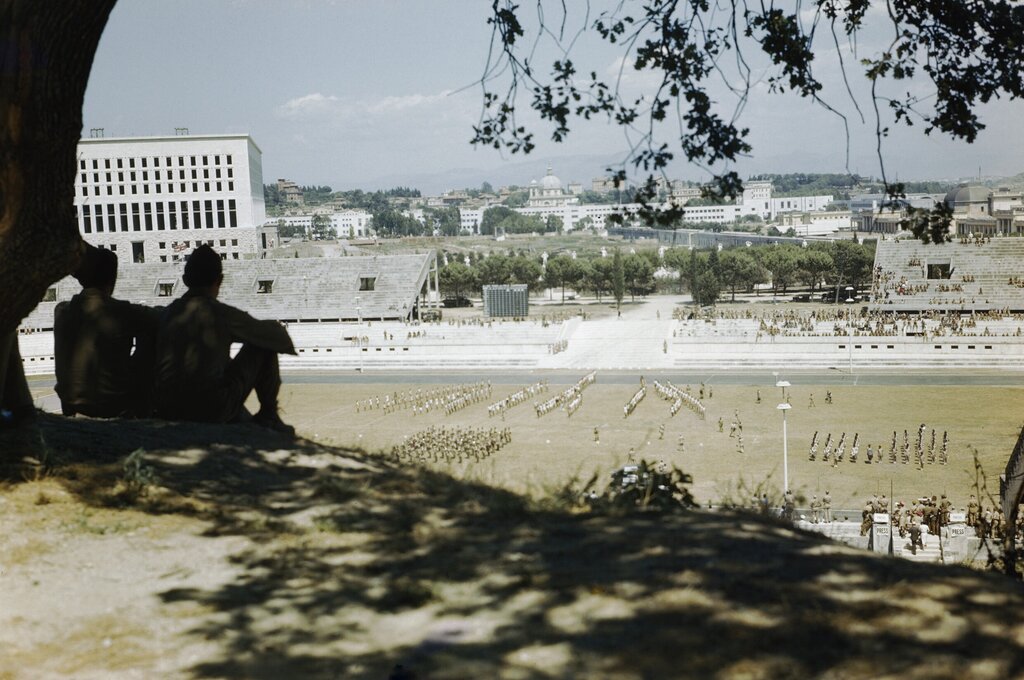
By 1960, Italy was ready to reintroduce itself to the world. Hosting the Summer Olympics in Rome was a masterstroke of national branding. The event was a massive success, broadcast on television across the globe. It showcased a country that was no longer a defeated power but a modern, dynamic, and prosperous nation. The juxtaposition of ancient landmarks with state-of-the-art sporting facilities created a powerful narrative of a country that respected its past while confidently building its future.
The Economic Miracle laid the foundation for contemporary Italy. It created immense wealth, transformed the social fabric, and solidified the country's position as a major industrial power. However, its legacy is complex. The rapid, often chaotic growth left environmental scars and exacerbated the deep-rooted economic imbalance between the North and South, a defining feature of Italian politics and society that endures to this day.
Ready to check your understanding of Italy's post-war boom?
What was the name of the U.S. aid program that provided crucial funds for Italy's post-war reconstruction?
Which of the following best describes the role of state-owned enterprises like IRI and ENI during Italy's economic boom?