Modern Iranian History Analysis
Constitutional Crisis
The Cracks in the Crown
By the end of the 19th century, Iran, then called Persia, was a nation in quiet crisis. The Qajar dynasty, which had ruled for over a century, was decaying from within. Shahs like Mozaffar al-Din were more interested in lavish European tours than in governing. Corruption was rampant, the treasury was empty, and the government sold off national assets—like rights to tobacco and oil exploration—to British and Russian interests for quick cash. These concessions angered many Iranians, who felt their country was being sold from under them.
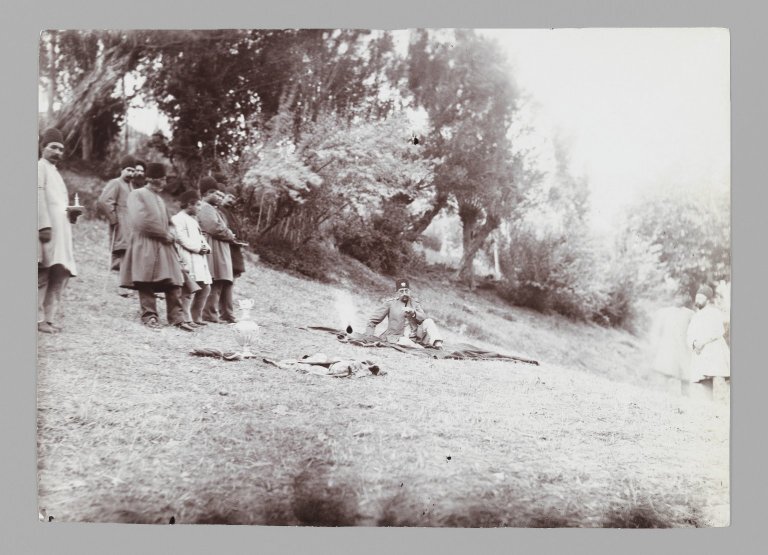
There had been attempts at reform. Decades earlier, a capable chief minister named tried to modernize the state, build factories, and curb foreign influence. But his success threatened the entrenched interests of the court. He was dismissed and ultimately executed, a stark lesson for future reformers. By the early 1900s, it was clear that change would not come from the top. It would have to be forced from below.
An Unlikely Alliance
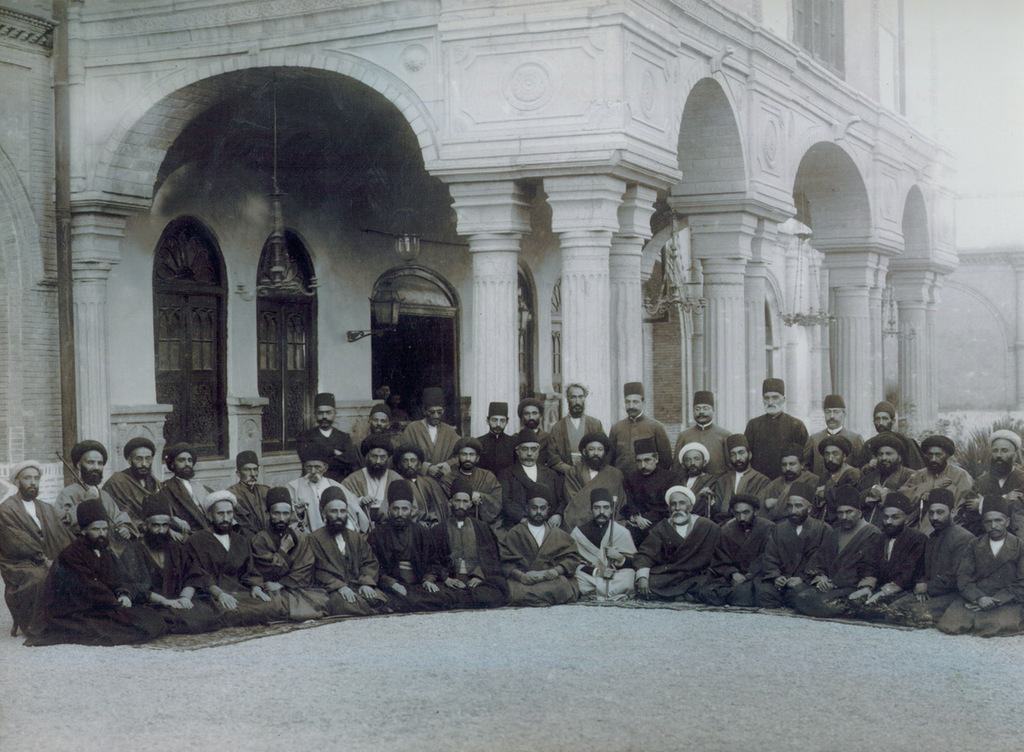
The call for change came from a coalition of groups that rarely saw eye-to-eye. Secular intellectuals, many educated in Europe, dreamed of a modern nation-state with a constitution. They found common cause with the powerful merchants, who were frustrated by the government's economic mismanagement and competition from tax-exempt foreign businesses. The final, crucial piece of the alliance was the , the Shia clergy. They commanded immense moral authority and saw the Qajar rulers' corruption and concessions to non-Muslim foreigners as a betrayal of Islamic principles.
In 1905, after the government brutally punished some sugar merchants for high prices, the bazaar in Tehran shut down in protest. The movement grew, with thousands marching and demanding a "house of justice." Bowing to pressure, the ailing Mozaffar al-Din Shah agreed to the creation of a national consultative assembly, the Majlis, and the adoption of a constitution in 1906. It was a stunning victory.
A Brief Dawn
The 1906 Constitution and the establishment of the Majlis were revolutionary. They introduced the concept of the nation as the source of power, not the Shah. For the first time, Iran had a representative parliament with the power to make laws, approve budgets, and ratify treaties. The new constitution was a hybrid, blending European democratic ideals with Islamic principles to satisfy the different factions of the revolution.
But the dawn was brief. Mozaffar al-Din Shah died shortly after signing the constitution. His son, Mohammad Ali Shah, was a staunch absolutist who viewed the Majlis with contempt. He saw it as a direct threat to his power, and he had powerful friends who agreed: the Russians. Meanwhile, Britain and Russia, long-time rivals for influence in Persia, decided to formally carve up the country. The 1907 Anglo-Russian Convention divided Iran into spheres of influence—a Russian zone in the north and a British zone in the south, with a neutral buffer in the middle. They did this without consulting the Iranian government, making a mockery of its newfound sovereignty.
Emboldened by Russian support, Mohammad Ali Shah made his move. In 1908, his Russian-commanded Persian Cossack Brigade surrounded and bombarded the Majlis building, executing several leading constitutionalists. The revolution devolved into a bloody civil war. Constitutionalist forces, or "mujahidin," from cities like Tabriz and Rasht fought back against the Shah's royalist troops. After nearly a year of fighting, the constitutionalists marched on Tehran in 1909, forcing Mohammad Ali Shah to abdicate and flee to Russia. The Majlis was restored, but the country was shattered and deeply in debt. The revolution had succeeded, but Iran's troubles were far from over. This era of conflict established a deep-seated tension between absolute power and popular will that would echo through Iranian history for the next century.