Modern Greek Storytelling
Greek Alphabet and Pronunciation
The Greek Alphabet
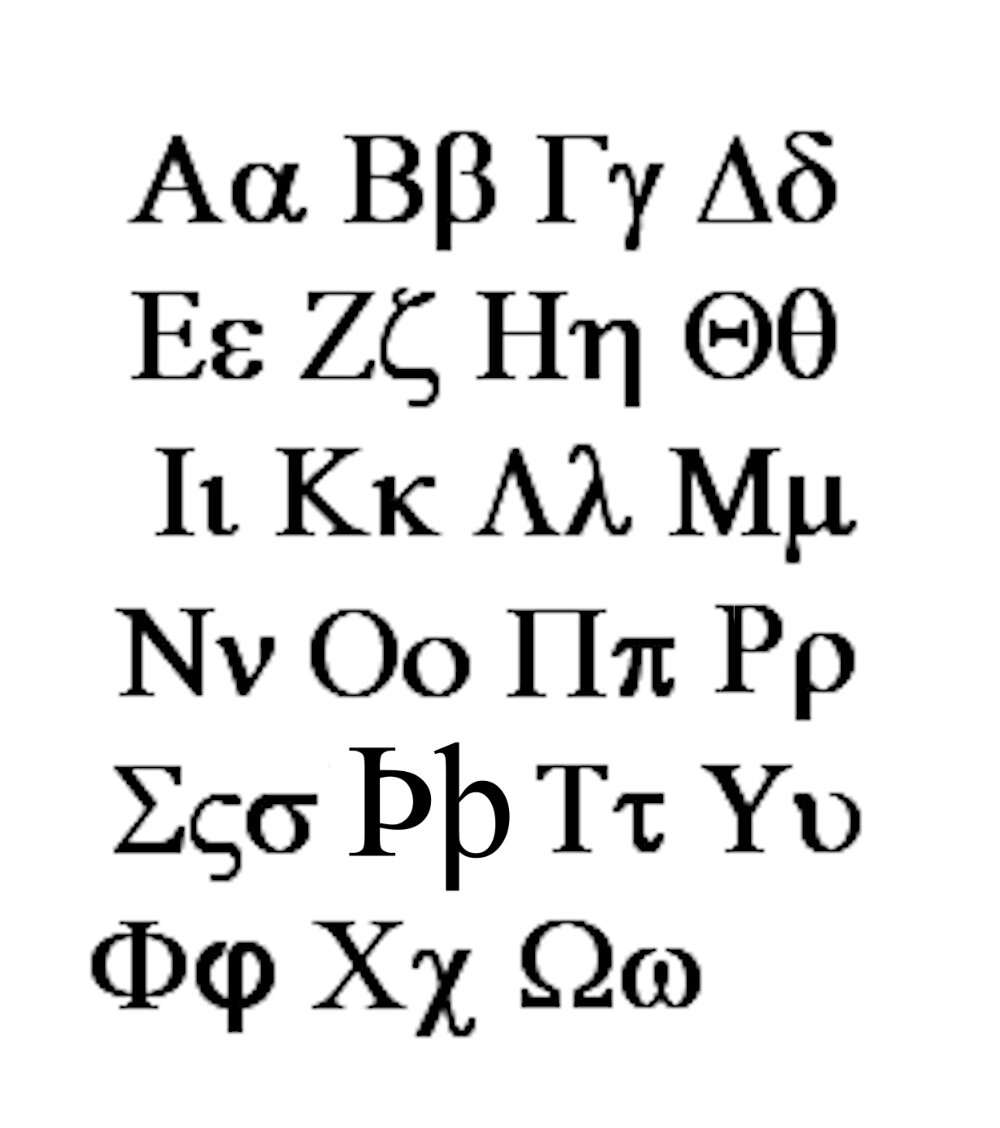
Welcome to the foundation of the Greek language. Learning the alphabet is the single most important first step. It unlocks your ability to read, write, and pronounce everything else. The Greek alphabet has 24 letters, many of which you might already recognize from math and science.
Learning the Greek alphabet is the first step in mastering the language.
Let's go through each letter. Pay close attention to its name and the sound it makes. You'll notice that some Greek letters look like English letters but have completely different sounds.
| Uppercase | Lowercase | Name | Pronunciation (like the English sound) |
|---|---|---|---|
| Α | α | Alpha | a in father |
| Β | β | Beta | v in vest |
| Γ | γ | Gamma | y in yes (before 'e', 'i' sounds); g in go (elsewhere) |
| Δ | δ | Delta | th in this |
| Ε | ε | Epsilon | e in met |
| Ζ | ζ | Zeta | z in zoo |
| Η | η | Eta | ee in see |
| Θ | θ | Theta | th in thin |
| Ι | ι | Iota | ee in see |
| Κ | κ | Kappa | k in kite |
| Λ | λ | Lambda | l in lamp |
| Μ | μ | Mu | m in man |
| Ν | ν | Nu | n in now |
| Ξ | ξ | Xi | x in fox |
| Ο | ο | Omicron | o in open |
| Π | π | Pi | p in pen |
| Ρ | ρ | Rho | r (rolled, like in Spanish) |
| Σ | σ, ς | Sigma | s in sun (ς is only used at the end of a word) |
| Τ | τ | Tau | t in top |
| Υ | υ | Upsilon | ee in see |
| Φ | φ | Phi | f in fun |
| Χ | χ | Chi | ch in Scottish Loch or German Bach |
| Ψ | ψ | Psi | ps in lips |
| Ω | ω | Omega | o in open |
Notice that some letters produce the same sound. For example, Η (Eta), Ι (Iota), and Υ (Upsilon) all make the 'ee' sound, like in the word "see." Likewise, Ο (Omicron) and Ω (Omega) both make the 'o' sound of "open."
Vowels and Diphthongs
Greek has seven vowels: α, ε, η, ι, ο, υ, ω. Their sounds are generally consistent and short. But when two vowels appear next to each other, they often form a diphthong, creating a single, new sound.
| Diphthong | Pronunciation (like the English sound) |
|---|---|
| αι | e in met |
| ει | ee in see |
| οι | ee in see |
| ου | oo in moon |
| αυ | av in avocado (before a voiced consonant); af in after (before a voiceless consonant) |
| ευ | ev in ever (before a voiced consonant); ef in left (before a voiceless consonant) |
One of the best things about Greek is that it's mostly phonetic. Once you learn the rules, you can pronounce a word just by looking at it.
Putting It Together
Let's try pronouncing a few common words. Read them out loud, matching the letters to the sounds you just learned.
hello / goodbye
Here, the gamma (γ) comes before an iota (ι) diphthong (ει), so it makes a 'y' sound. The diphthong 'εια' makes a 'ya' sound.
yes
The diphthong 'αι' sounds like the 'e' in 'net'.
no
Remember that 'χ' makes a sound from the back of your throat, like the 'ch' in the Scottish 'loch'.
thank you
This word is a great workout! The 'ευ' makes an 'ef' sound because it's followed by the voiceless consonant 'χ'. The 'στ' is a simple 'st' sound. The accent mark over the omega (ώ) tells you to put the stress on that final syllable.
Ready to test your knowledge? This quiz will cover the names and sounds of the Greek letters you've just learned.
How many letters are in the Greek alphabet?
Which of the following letters is NOT pronounced with an 'ee' sound (as in 'see')?
Mastering the alphabet is a huge accomplishment. With this foundation, you're now ready to start building your Greek vocabulary.