Modern Genetic Editing Explained
Introduction to Genetic Editing
The Blueprint of Life
Every living organism, from the smallest bacterium to the largest whale, carries a detailed instruction manual inside its cells. This manual is called deoxyribonucleic acid, or DNA. Think of it as a vast library of cookbooks, where each book contains recipes for building and operating a specific part of the body.
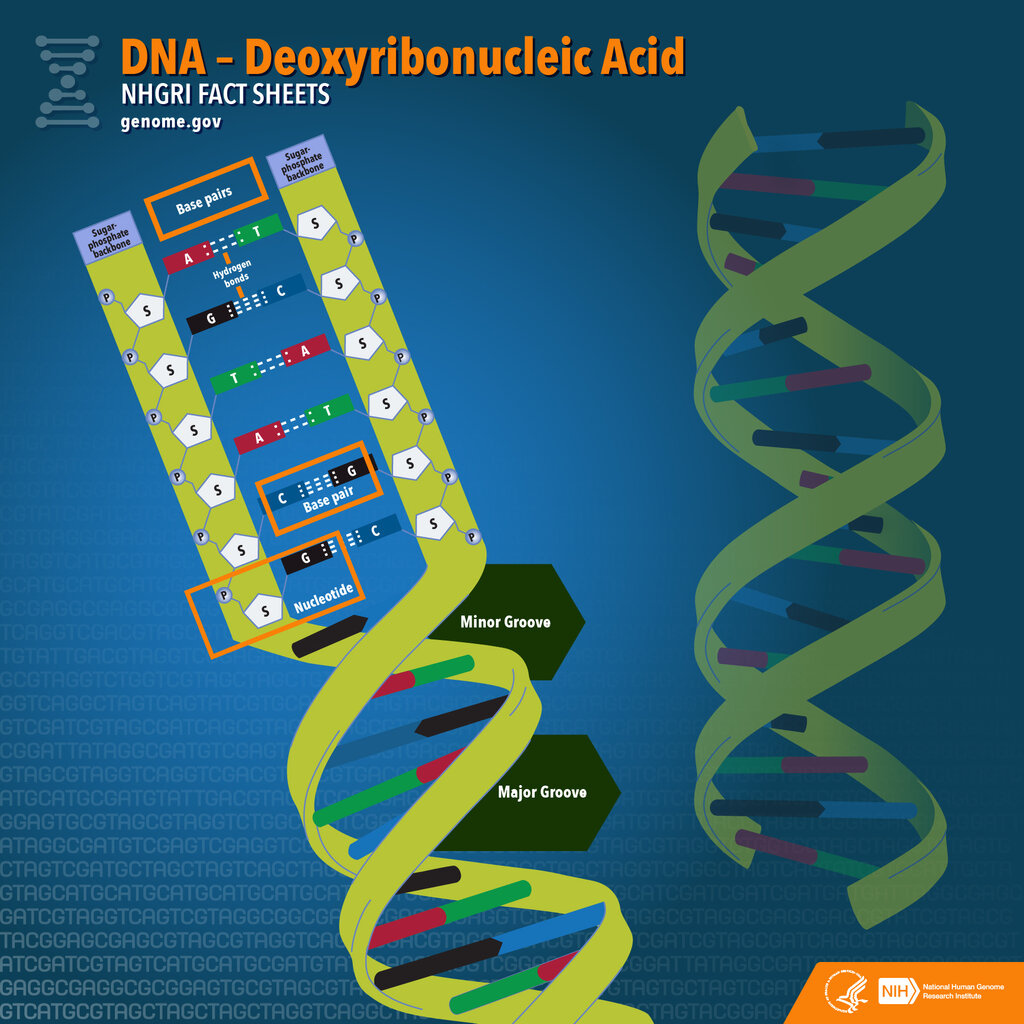
DNA has a unique structure called a double helix, which looks like a twisted ladder. The rungs of this ladder are made of four chemical bases: adenine (A), guanine (G), cytosine (C), and thymine (T). These bases pair up in a specific way: A always pairs with T, and C always pairs with G. The sequence of these base pairs along the ladder forms the genetic code.
A specific segment of DNA that contains the instructions for one particular recipe is called a gene. Humans have about 20,000 genes, each one carrying the code to build a specific protein that performs a particular job.
From Code to Action
So, how does the cell read the DNA blueprint and put it to work? This process is explained by what's known as the central dogma of molecular biology. It describes the flow of genetic information within a biological system.
The central dogma follows a simple path: DNA makes RNA, and RNA makes protein.
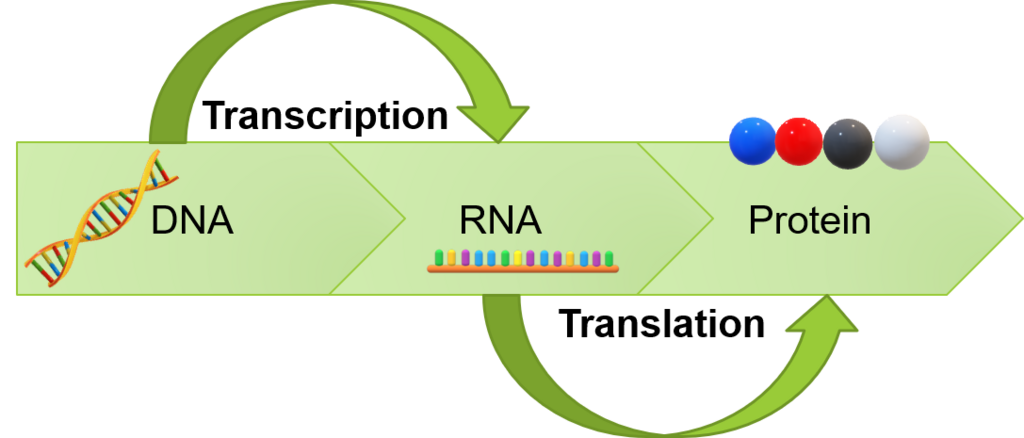
The process happens in two main steps. First is transcription. A special enzyme makes a temporary copy of a gene. This copy, called messenger RNA (mRNA), is like writing down a single recipe from the master cookbook. The mRNA molecule then leaves the cell's nucleus, where the DNA is stored, and travels out into the main part of the cell.
Next comes translation. A cellular machine called a ribosome reads the mRNA copy. It translates the sequence of bases into a specific protein, just as a chef follows a recipe to bake a cake. These proteins are the workhorses of the cell. They build structures, carry messages, and drive the chemical reactions that keep us alive.
Early Genetic Modification
Humans have been influencing genetics for thousands of years. Early farmers practiced selective breeding, choosing the best plants and animals to reproduce. This is how we got from wild grasses to modern corn and from wolves to the wide variety of dog breeds we see today. This was a slow, indirect way of changing an organism's genetic makeup.
The game changed in the 1950s with the discovery of DNA's double helix structure. For the first time, scientists understood the physical basis of heredity. This discovery opened the door to the idea of modifying DNA directly.
A major breakthrough came in the 1970s with the development of recombinant DNA technology. Scientists learned how to use enzymes as molecular scissors to cut out a specific gene from one organism and paste it into the DNA of another. One of the first major applications was engineering bacteria to produce human insulin, providing a safe and reliable source of this critical medicine for people with diabetes.
These early techniques were groundbreaking. They proved that the code of life was not just readable, but also rewriteable. This laid the foundation for the more precise and powerful gene editing tools that would be developed decades later.