Modern Functional Anatomy for the Masters Swimmer
Posterior Chain Mechanics
Beyond Kicking from the Hip
The old mantra to "kick from the hip" isn't wrong, but it's incomplete. For endurance swimming, relying on hip flexors and quads is a recipe for fatigue and lower back pain. The modern approach focuses on the entire posterior chain, treating your kick as the engine for a powerful, connected stroke, not just a stabilizing rudder.
The goal is to move from an isolated, quad-dominant kick to an integrated system that uses your largest muscles: the glutes and hamstrings. This shift generates more power with less effort, stabilizes your pelvis, and provides a rigid platform for your upper body rotation. It's the key to maintaining form and speed over a 4000-yard workout without overtaxing smaller muscle groups.
The Glute-Driven Kick
Propulsion in your flutter kick should start from your gluteus maximus. For the downward phase, think about driving your heel toward the bottom of the pool by squeezing your glute. This is a powerful hip extension. On the upward phase, the same principle applies. Use your glute and hamstring to pull your leg back toward the surface. This active recovery prevents your legs from dropping and creating drag.
This contrasts sharply with a [{
}], where the movement is initiated by lifting the knee. This common flaw creates a bent-knee, bicycling motion that generates significant drag and offers little propulsion.
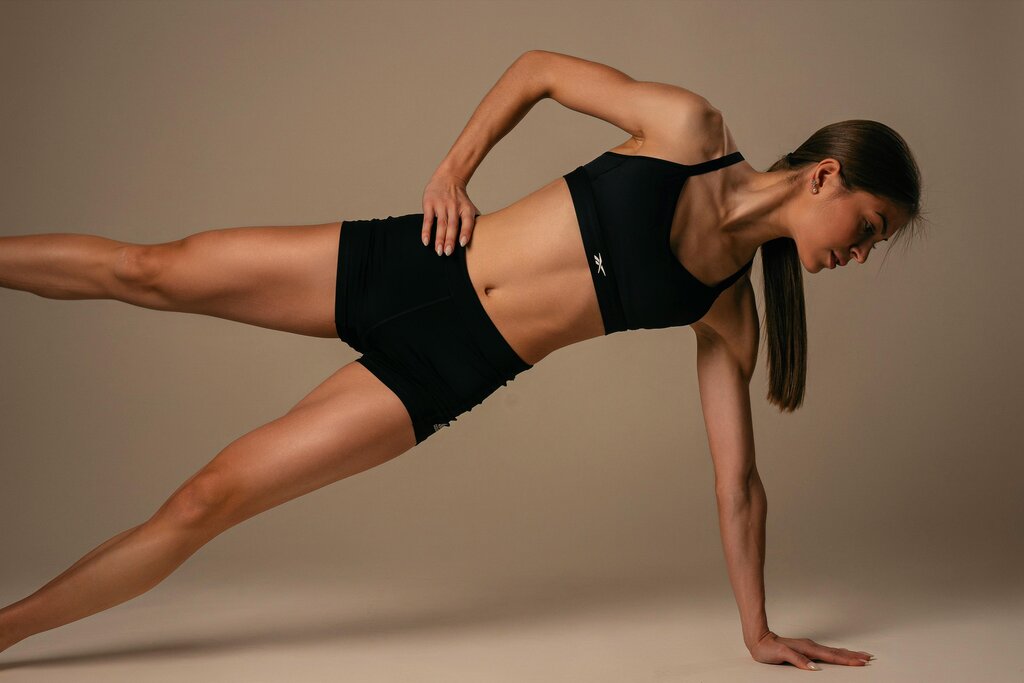
Consciously engaging your glutes on every kick might feel strange at first. It requires neuromuscular re-education. But by making the glutes the prime mover, you unlock a more powerful and efficient kick that supports, rather than fights, your upper body.
Your Body's Diagonal Power Line
Your body doesn't work in isolation; it works in systems. One of the most critical for swimming is the posterior functional line. This system connects your right glute to your left latissimus dorsi (and vice-versa) through a sheet of connective tissue called the thoracolumbar fascia in your lower back. This creates a diagonal 'X' of support and power transfer across your torso.
When you drive your kick with your left glute, the tension travels up this fascial line and helps engage your right lat for a more powerful pull. This transforms your stroke from a series of disconnected limb movements into a unified, rotational powerhouse. Every kick directly fuels your pull, creating a seamless transfer of energy that is essential for endurance.
Controlling Pelvic Tilt
A common flaw, especially in masters and former athletes, is an anterior pelvic tilt, where the hips tilt forward, causing the lower back to arch. This position disengages the glutes and core, creates immense drag, and puts strain on the lumbar spine. It's often a result of tight hip flexors and weak glutes from years of training or desk work.
Focus on keeping your pelvis in a neutral position, avoiding excessive anterior tilt, which can inhibit the glutes from firing fully.
Activating your glutes during the kick naturally encourages a more neutral, or even slightly posterior, pelvic tilt. This action flattens your lower back, engages your core, and lifts your legs higher in the water. The result is a more streamlined body position that cuts through the water with minimal resistance. This stability is the foundation upon which the rest of your stroke is built.
Integrating these mechanics takes focus. Let's review the key terms before testing your knowledge.
Ready to see how these concepts connect? Take this short quiz.
What is the primary muscle group that should initiate the flutter kick for maximum endurance and power in modern swimming technique?
The posterior functional line creates a diagonal connection between your right glute and your left ______, facilitating a powerful energy transfer across your torso.
By shifting your focus from isolated hip kicking to an integrated posterior chain drive, you build a more durable, powerful, and efficient stroke for the long haul.