Modern Farming Systems and Agricultural Technology
Precision Sensor Deployment
Sensors in the Soil
Moving beyond manual soil testing means placing sensors directly in the field. These in-situ, or “in-place,” sensors provide a continuous stream of information, unlike the single snapshot from a lab sample. Instead of knowing what the soil was like last Tuesday, you can know what it’s like right now.
The most common types measure soil moisture, pH, and nutrient levels. Moisture sensors tell you when and how much to irrigate. pH sensors track acidity, which affects how well plants absorb nutrients. And monitor the big three macronutrients: Nitrogen (N), Phosphorus (P), and Potassium (K). Together, they paint a detailed, real-time picture of the conditions at the root level.
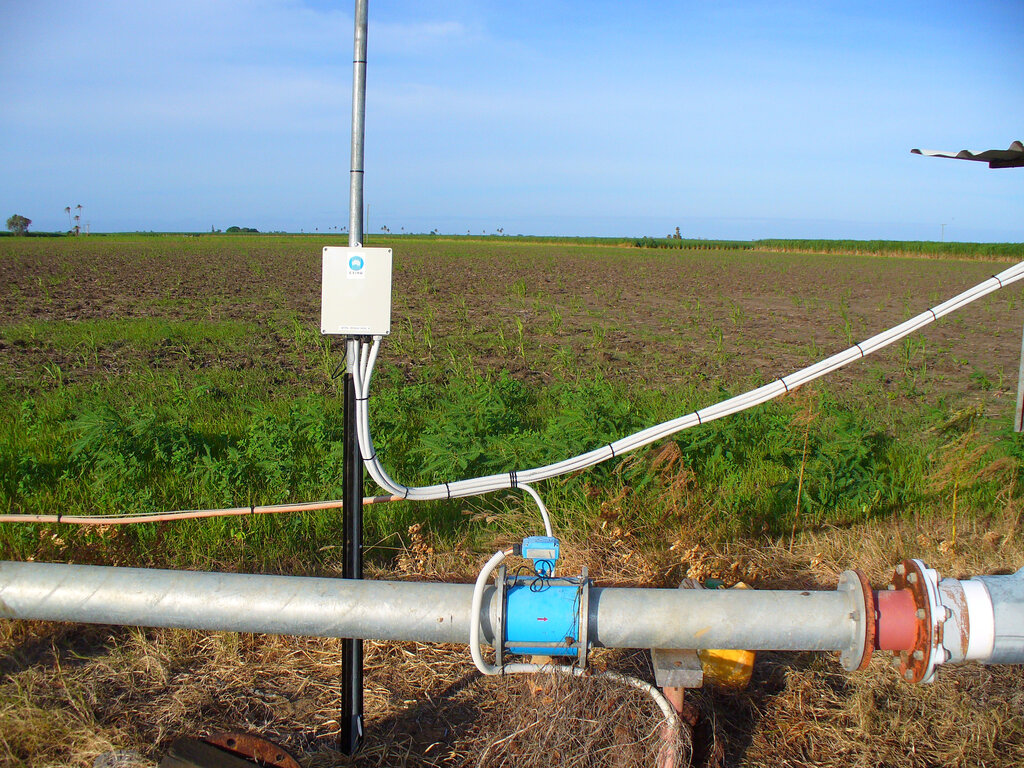
Getting Data from the Field
A sensor is only useful if it can send its data back to you. Since Wi-Fi doesn't typically cover a 100-acre field and cellular data plans can get expensive for hundreds of devices, agriculture often relies on specialized IoT network protocols.
Two popular choices are and Sigfox. These are Low-Power, Wide-Area Networks (LPWANs). They are designed to send small packets of data—like a temperature or moisture reading—over very long distances using very little battery power. A single gateway can collect data from thousands of sensors spread across several miles and run for years on a small battery.
This setup, known as a star network, is simple and robust. The sensors (the points of the star) all report to a central gateway. The gateway then uses a more conventional connection, like cellular or satellite, to push the aggregated data to the cloud. This process of sending data from a remote sensor is called .
Keeping Data Accurate
Deploying sensors isn't a 'set it and forget it' task. To ensure the data is accurate and reliable, sensors require regular calibration and maintenance.
Calibration compares the sensor's readings to a known, trusted standard. It's like checking your bathroom scale against the calibrated one at the doctor's office.
For soil sensors, this might involve taking a reading with the sensor and then immediately taking a physical soil sample from the exact same spot. The lab results for that sample become the standard. If the sensor reads a pH of 6.2 but the lab says it's 6.5, you can adjust the sensor's output to correct for that difference.
Maintenance is also key. Probes need to be cleaned of soil and residue. Batteries need to be checked. Connections need to be inspected for damage from weather or wildlife. A small amount of upkeep prevents large data errors down the line.
With calibrated sensors sending steady data, you can build a digital map of your field. This allows you to see how moisture and nutrients vary, not just from one end of the farm to the other, but from one row to the next. This high-resolution view is the foundation of precision agriculture.
Ready to check your understanding?
What is the primary advantage of using in-situ soil sensors compared to traditional manual soil testing?
A farmer needs to connect thousands of soil moisture sensors across a 500-acre farm with no Wi-Fi coverage. Which network technology is best suited for this task?
By transforming soil from a physical medium into a stream of digital data, in-field sensors give you the ability to make smarter, faster decisions.