Modern Dutch History
Post-War Reconstruction
Rising from the Rubble
When World War II ended in 1945, the Netherlands was on its knees. Major cities, especially Rotterdam, were devastated by bombing. Ports, bridges, and railways—the arteries of the nation's economy—were destroyed. Factories were dismantled, and agricultural lands were flooded. The country faced a severe shortage of housing, food, and fuel.
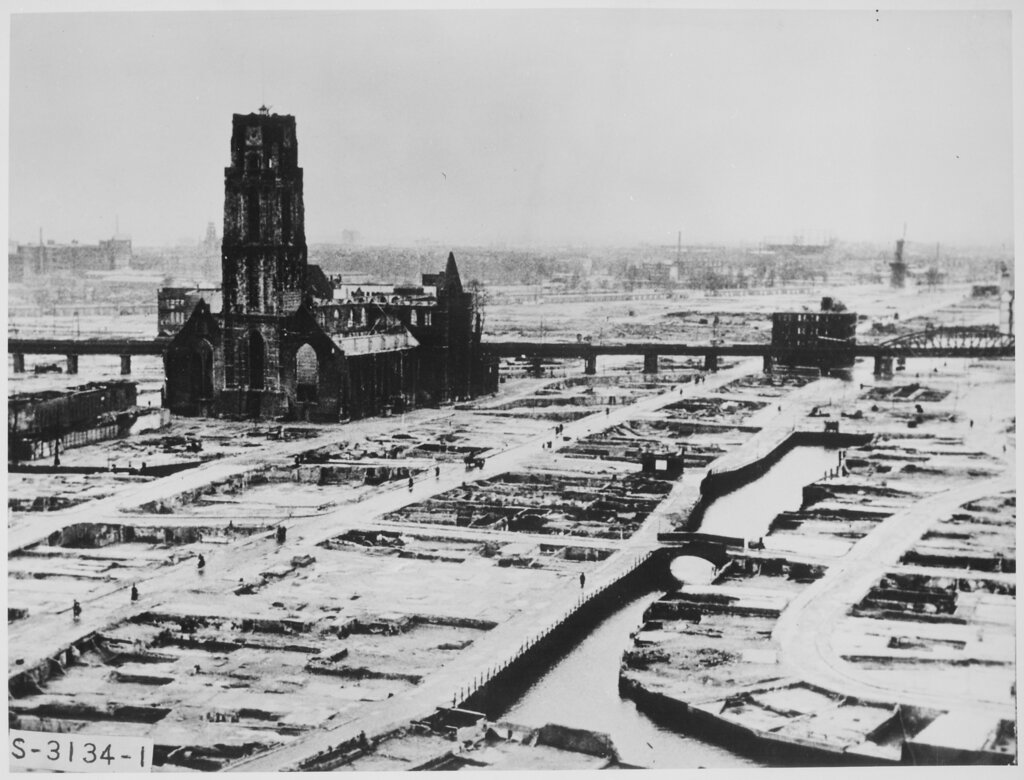
The human cost was immense, and the economy was in ruins. The task of rebuilding was not just about bricks and mortar; it was about restoring a sense of normalcy and hope. The challenge was monumental, requiring a complete national overhaul.
A New Political Blueprint
To steer the country through this crisis, a special government was formed. The Schermerhorn–Drees cabinet, which took office in June 1945, was a government of national unity. Led by Prime Minister Willem Schermerhorn and Minister of Social Affairs Willem Drees, it brought together figures from across the political spectrum, including those from the resistance movement. Traditional party politics were put on hold. The focus was singular: recovery.
This cabinet's mission was to lay a new foundation for the nation, politically and economically, to ensure a more stable and prosperous future.
This government initiated a series of bold reforms. They began the process of political "purging" to remove collaborators from public life and started the groundwork for a new social welfare system. Their immediate goal was to organize the cleanup, restore essential services, and get the economy moving again.
The Engine of Recovery
Rebuilding an entire economy required a plan. The government couldn't just hope for the best. This led to the creation of the Central Planning Bureau (CPB) in 1945. The CPB wasn't designed to run the economy directly, like in a communist state. Instead, it was an independent body of economic experts tasked with providing data, analysis, and forecasts.
Central Planning Bureau
noun
A Dutch government agency that conducts economic forecasts and analyses to guide policy-making.
The CPB gave policymakers the information they needed to make smart decisions about where to invest resources. This data-driven approach was crucial for prioritizing projects, managing scarce resources, and steering the economy toward growth. The government implemented policies of wage and price controls to curb inflation and directed investment toward key industries like manufacturing and infrastructure.
These guided policies aimed to rapidly rebuild industrial capacity, fix infrastructure, and create jobs.
Building a New Society
The post-war period was also a time of social rebuilding. With the shared trauma of war and the collective effort of reconstruction, a new sense of social solidarity emerged. This spirit fueled the desire for a more equitable society. The government began laying the groundwork for a comprehensive welfare state, aiming to provide social security for all citizens.
The massive undertaking of reconstruction also meant there was work for everyone. This period saw a strong focus on collaboration between the government, employers, and trade unions. This cooperation was vital for maintaining social peace and ensuring that the economic recovery benefited all parts of society.
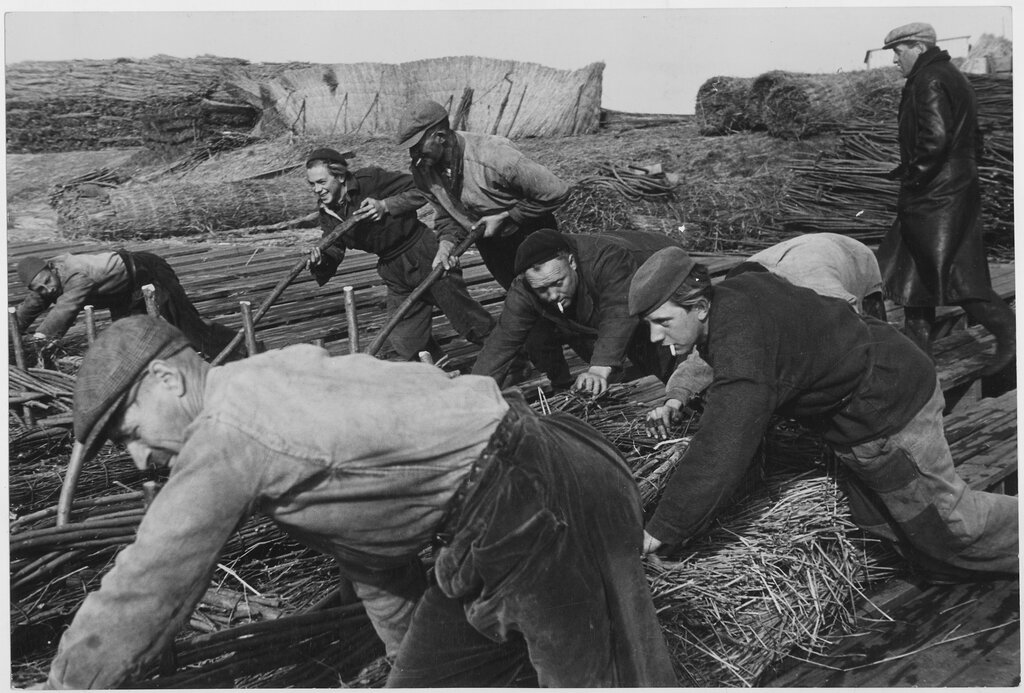
The focus was on creating a stable, secure, and modern nation. This meant building not just homes and factories, but also a social fabric that could withstand future challenges. The difficult years after the war laid the foundation for the prosperous Netherlands that would emerge in the decades to follow.
Let's review what we've learned.
What was the primary challenge facing the Netherlands immediately after World War II?
What was the main purpose of the Central Planning Bureau (CPB) established in 1945?