Modern Art History 1850-1980
Realism and Modernity
The Heroism of Modern Life
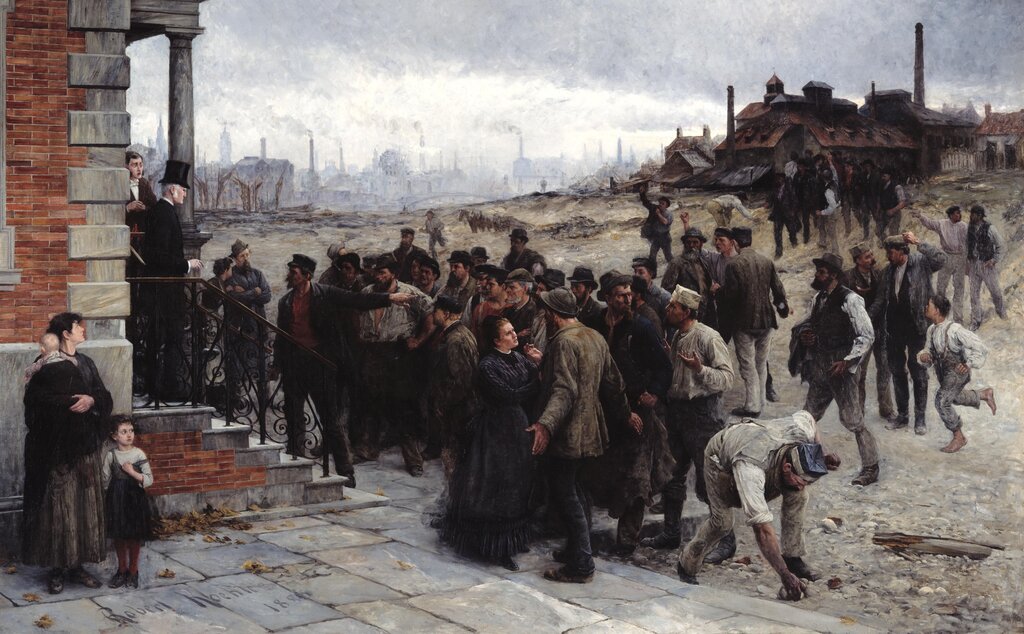
By the mid-19th century, the rules of art in France were clear. The prestigious Académie des Beaux-Arts championed grand paintings of historical, mythological, or religious subjects. Artists were expected to create idealized, polished scenes that elevated the viewer. But outside the hallowed halls of the official Paris Salon, society was changing rapidly. Cities were swelling, factories churned out smoke and goods, and a new working class was forming. The French Revolution of 1848 had shaken the country, and artists began to ask a radical question: Shouldn't art reflect the world as it actually is?
This was the birth of Realism. It wasn't just a style; it was a statement. It argued that the lives of ordinary people, the grit of labor, and the unvarnished truth of the present moment were worthy subjects for art.
Courbet the Provocateur
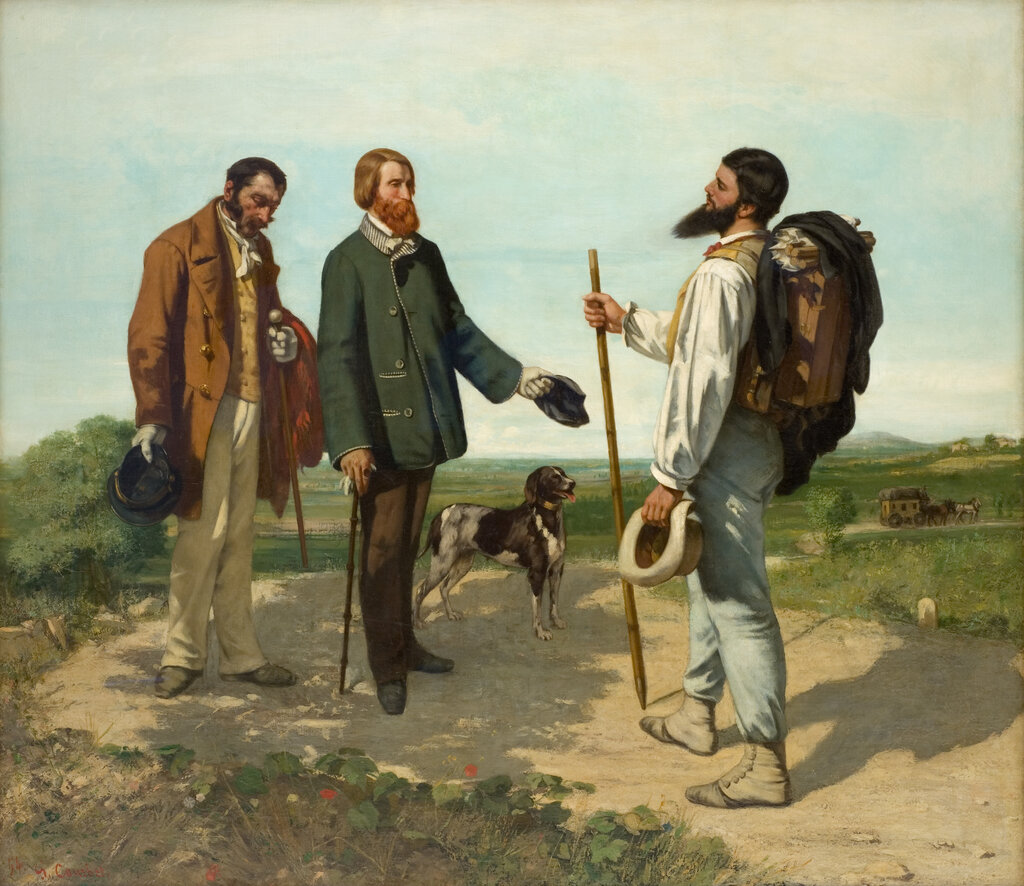
No artist embodied this new spirit more than , a brash and self-confident painter from the rural French countryside. Courbet rejected the Academic tradition outright, famously declaring, "I cannot paint an angel because I have never seen one." He believed art must be grounded in the real, tangible world. His work was a direct challenge to the establishment.
His 1849 painting, The Stonebreakers, became a symbol of this new Realism. It depicted two anonymous laborers, one too young for such backbreaking work and the other too old, trapped in a cycle of poverty. The figures were shown with dirt under their nails and rips in their clothes, presented on a massive canvas, a scale usually reserved for epic historical events. To the Salon audience, this was an outrage. Courbet wasn't just painting poor people; he was elevating them to the status of heroes, forcing the wealthy to confront the harsh reality of modern labor.
Dignity in the Fields
While Courbet was storming the Salon, other artists were pursuing a quieter, but no less significant, revolution. A group of painters known as the left the city to paint directly from nature in the Forest of Fontainebleau. Their leader was Jean-François Millet, a painter from a peasant background.
Unlike Courbet, Millet didn't focus on the confrontational politics of labor. Instead, he sought to capture the solemn dignity and timeless rhythm of rural life. His paintings, like The Gleaners (1857), portray peasants not as political symbols, but as figures of profound gravity, performing ancient rituals tied to the land. While his work was less shocking than Courbet's, it was equally radical in its choice of subject. He presented the peasant class with a quiet monumentality that was deeply moving.
The work of Courbet, Millet, and the Barbizon painters marked a crucial turning point. They rejected the idealized past and embraced the messy, complicated, and often difficult present. By insisting that the lives of common people were a worthy subject, they laid the foundation for the next wave of avant-garde artists, who would take these ideas and run with them.
What was the central principle of the Realist art movement that emerged in mid-19th century France?
Why was Gustave Courbet's painting The Stonebreakers considered shocking to the audience of the Paris Salon?