Modern Alzheimer's Treatment Strategies
Established Symptomatic Therapies
Boosting Acetylcholine
In the Alzheimer's brain, one of the key chemical messengers that declines is acetylcholine, a neurotransmitter crucial for memory and learning. To counteract this, the first line of defense is often a class of drugs called cholinesterase inhibitors. These include donepezil, rivastigmine, and galantamine.
Acetylcholinesterase inhibitors are first-line agents for the treatment of mild to moderate Alzheimer disease, according to existing guidelines.
Their strategy is straightforward: they block the action of an enzyme called acetylcholinesterase (AChE). Normally, AChE breaks down acetylcholine in the synapse, the tiny gap between neurons. By inhibiting this enzyme, the drugs allow acetylcholine to linger longer in the synapse, enhancing communication between brain cells. This can lead to modest but meaningful improvements in cognitive function and the ability to perform daily activities.
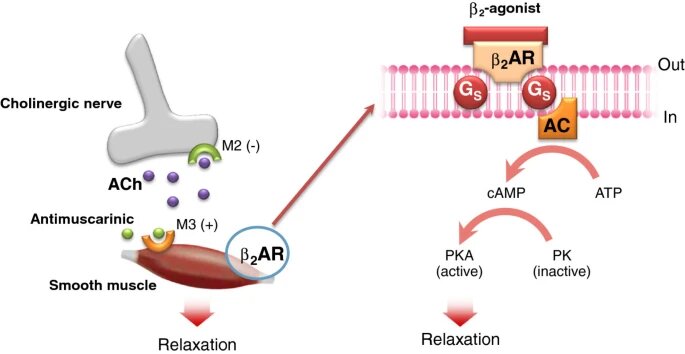
However, this benefit comes with trade-offs. Because acetylcholine receptors are found throughout the body, not just in the brain, side effects are common. The most frequent are gastrointestinal issues like nausea, vomiting, and diarrhea. The choice between donepezil, rivastigmine, and galantamine often comes down to individual tolerance and how the drug is administered, whether as a pill or a skin patch, which can sometimes reduce GI side effects.
Managing Glutamate
As Alzheimer's progresses into moderate and severe stages, another neurotransmitter system becomes a major problem: glutamate. While essential for learning and memory, excessive glutamate activity can overstimulate neurons, leading to a destructive process called excitotoxicity and accelerating cell death. This is where a different kind of drug, memantine, comes into play.
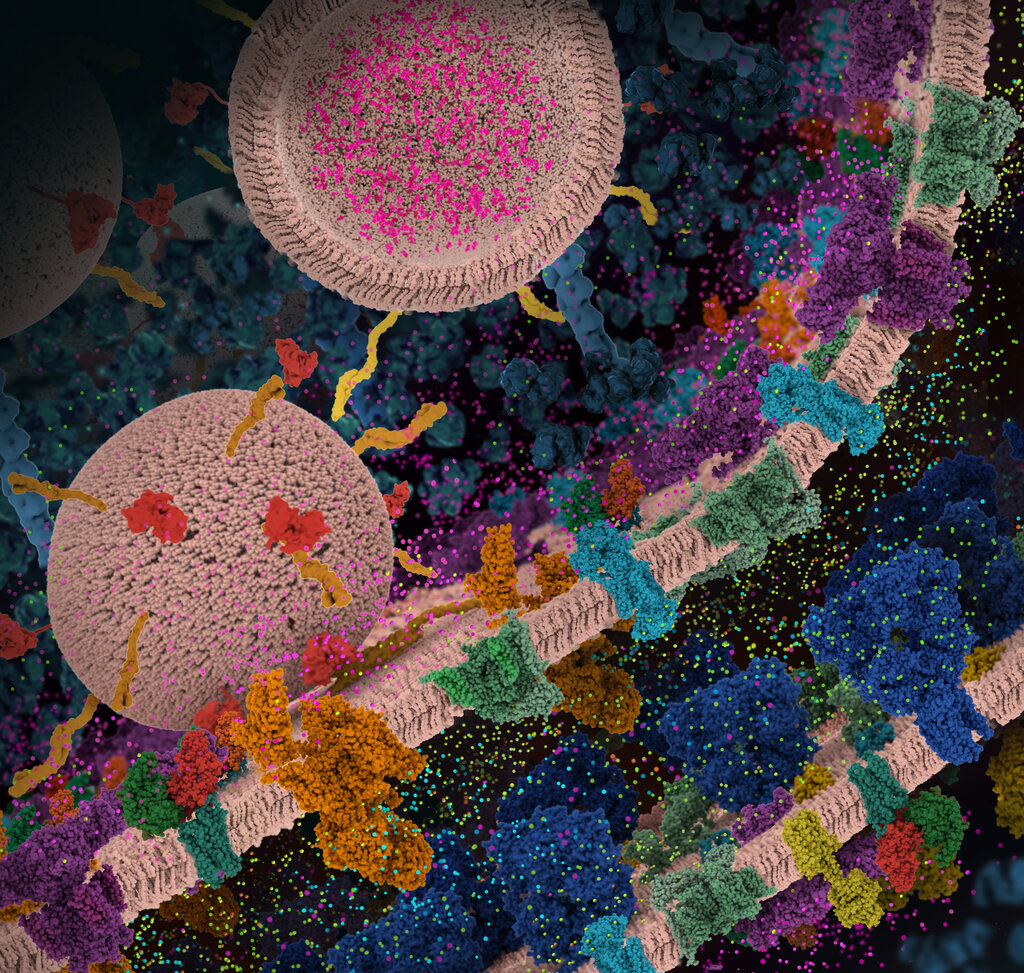
Memantine is a non-competitive NMDA receptor antagonist. It works by gently blocking the NMDA receptor, which is one of the main channels that glutamate opens. Unlike a strong blocker that would shut down all signaling, memantine only blocks the channel when there's an excessive, pathological level of glutamate stimulation. This allows normal, healthy signaling to continue while protecting neurons from the toxic overflow. This regulation of glutamate helps preserve neuronal function for longer in the later stages of the disease.
Memantine's side effect profile differs from cholinesterase inhibitors. Instead of GI issues, it's more likely to cause central nervous system effects like dizziness, confusion, or headaches. For many patients in the moderate-to-severe stages, however, these risks are outweighed by the benefits of slowing down functional decline.
Combining Forces
Since these two classes of drugs target different neurotransmitter systems that are both affected in Alzheimer's, a logical step is to combine them. This approach is used for patients with moderate-to-severe Alzheimer's who are already on a cholinesterase inhibitor. Adding memantine can provide additional benefits beyond what either drug can achieve alone.
This combination therapy has been shown to slow the rate of cognitive and functional decline more effectively than monotherapy. It addresses both the acetylcholine deficit and glutamate-mediated excitotoxicity simultaneously. To simplify treatment, a fixed-dose combination pill called merges memantine and donepezil into a single daily dose. This synergistic strategy represents the current standard of care for managing the symptoms of advanced Alzheimer's disease.
Let's review the key concepts we've covered.
What is the primary mechanism of action for cholinesterase inhibitors such as donepezil and rivastigmine?
A patient with moderate Alzheimer's disease is experiencing dizziness and confusion after starting a new medication. Which drug is the most likely cause of these specific side effects?
Understanding these established therapies provides a foundation for how clinicians manage Alzheimer's symptoms today, balancing efficacy against side effects to support patients through different stages of the disease.